Skip to content
Top-rated outdoor gear, ranked

Best Of 2026

Best Off-Grid Battery Banks of 2026

Our top 9 picks, independently ranked. Budget to premium.

Updated

For a grid-tied house, a "battery" is a luxury that shaves a few dollars off the power bill. For an off-grid home, cabin, or rural homestead, the battery bank IS the power company. It's the single component standing between you and a dark, cold house at 2 a.m. in February. That changes everything about how you should shop. Runtime, cold-weather behavior, cycle life, and the ability to scale up matter far more than the headline price, and the cheapest path is almost never the cheapest over ten years.

The market has consolidated around one chemistry (lithium iron phosphate (LiFePO4 / LFP)) because it doesn't go into thermal runaway, tolerates daily deep cycling, and routinely delivers 6,000+ cycles. Within that, off-grid buyers face two very different product shapes. The DIY route is a stack of 48V "server rack" modules (each ~5 kWh) that you bolt into a rack and wire to a separate inverter. The lowest cost per kWh, but you're the system integrator. The plug-and-play route is an all-in-one wall-mount or floor unit with the inverter built in, costing more per kWh but installable without a deep electrical background. This guide spans both, from sub-$700 rack modules to $9,000 whole-home units.

We weighted real off-grid priorities: usable capacity and how cleanly the system scales as your loads grow, cold-climate performance (self-heating matters in a cabin), warranty and cycle rating, inverter/closed-loop compatibility, and how the unit is actually sold and supported in the U.S. in 2026. Prices listed are realistic current street ranges and will move with sales and tariffs. Treat them as planning numbers, not quotes.

PowerPro WallMount All-Weather 48V 280Ah 14.3kWh
Best OverallPremium

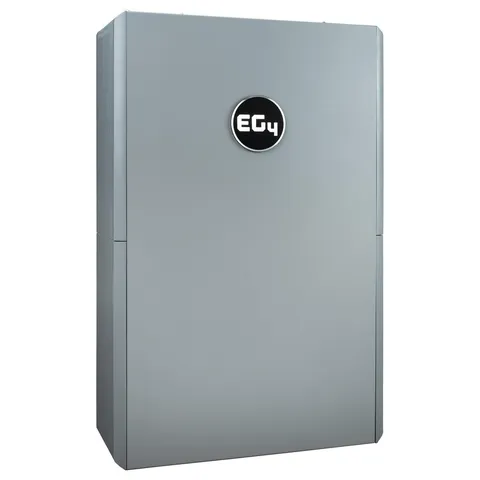
1. PowerPro WallMount All-Weather 48V 280Ah 14.3kWh

EG4

$3,100–$3,500

A single 14.3 kWh all-weather, self-heating wall pack that hits the off-grid sweet spot: enough capacity to matter, an IP65 outdoor-rated enclosure for cabins, and a per-kWh cost that undercuts most all-in-ones.

Best for: Off-grid homes and cabins wanting maximum capacity per dollar in one weatherproof, cold-tolerant pack

Huge 14.3 kWh in one UL 1973/9540A-rated unit, fewer parts to wire than a 3-module rack · Integrated self-heating and IP65 enclosure make it genuinely viable in unheated/outdoor cabin installs · 10-year warranty with a high rated cycle life and dual fire arrestors · Excellent capacity-per-dollar (~$220/kWh) for an all-weather pack

Still needs a separate compatible inverter (e.g. EG4 18kPV/6000XP) · Heavy wall-mount install, not a grab-and-go unit

Sources: signaturesolar.com, currentconnected.com, thesolarlab.com
LifePower4 V2 48V 100Ah 5.12kWh Server Rack Battery
Best ValueBudget

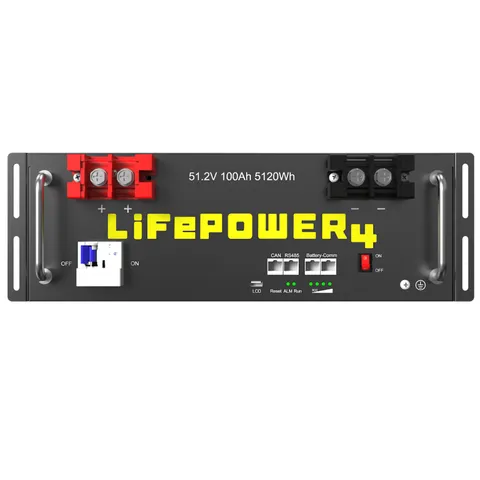
2. LifePower4 V2 48V 100Ah 5.12kWh Server Rack Battery

EG4

$1,150–$1,400

The default DIY off-grid rack module for good reason: ~$1,200 for 5.12 kWh, a >6,000-cycle rating, a 10-year warranty, and broad closed-loop inverter support from a U.S.-supported brand.

Best for: DIY builders assembling a scalable 48V bank on a budget

Outstanding cost per kWh from a brand with real U.S. distribution and support · Auto-ID BMS with closed-loop CAN/RS485 to most popular inverters · >6,000 cycles at 80% DoD and a 10-year warranty · Stacks to large banks as your loads grow

Bare module: you supply the rack, inverter, and wiring · Not self-heating; needs an above-freezing install location

Sources: signaturesolar.com, eg4electronics.com, thesolarlab.com

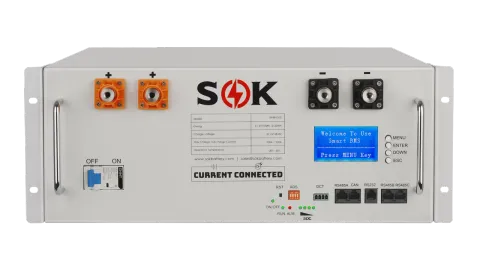
SOK 48V 100Ah 5.12kWh PRO Server Rack Battery (SK48V100)
Editor's PickMid-range

3. SOK 48V 100Ah 5.12kWh PRO Server Rack Battery (SK48V100)

SOK

$899–$1,199

The build-quality favorite among off-grid integrators: Grade A+ cells, a user-serviceable design, and the most compact 3U footprint on the market, backed by Current Connected's hands-on support.

Best for: Builders who prioritize long-term serviceability and build quality over rock-bottom price

User-serviceable PRO design, you can access cells and BMS rather than scrap the whole module · Reputation for top-tier build quality and genuine Grade A+ cells · Compact 3U server-rack form factor; strong inverter compatibility · Excellent dealer support (Current Connected)

Costs a bit more than commodity rack modules · Bare module requiring separate inverter and rack

Sources: currentconnected.com, us.sokbattery.com, offgridstores.com

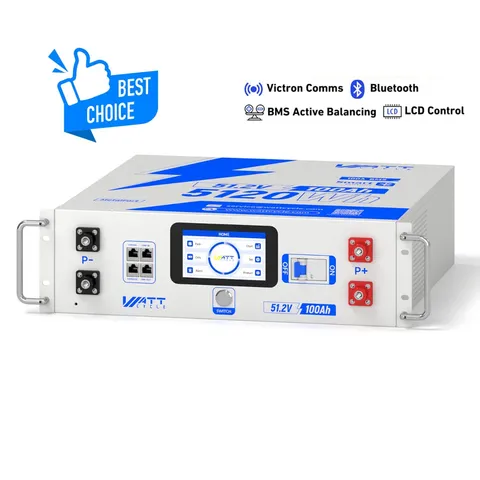
WattCycle 48V 100Ah 5.12kWh Server Rack Battery (BYD Cells)
Best BudgetBudget

4. WattCycle 48V 100Ah 5.12kWh Server Rack Battery (BYD Cells)

WattCycle

$699–$830

The cheapest credible 48V rack module we'd actually trust, with BYD Grade A cells, active balancing, Bluetooth/LCD monitoring, and a 6,000+ cycle rating, often under $800.

Best for: Cost-driven DIY builders and weekend cabins wanting the most kWh per dollar

Lowest cost per kWh of any pick here · Active balancing, LCD touchscreen, and Bluetooth monitoring at a budget price · BYD Grade A cells with 100A BMS and 6,000+ cycle rating · Available on Amazon for fast, no-friction purchase

Newer brand with a shorter track record than EG4/SOK · Bare module; warranty and support are lighter than premium dealers

Sources: wattcycle.com, thesolarlab.com

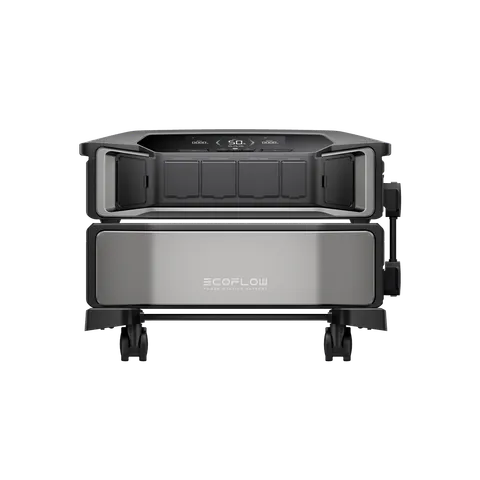
DELTA Pro Ultra (6.1kWh inverter+battery, expandable)
Best PremiumPremium

5. DELTA Pro Ultra (6.1kWh inverter+battery, expandable)

EcoFlow

$3,800–$6,100

A true plug-and-play whole-home off-grid unit: built-in 7,200W 120/240V inverter, 6,144Wh LiFePO4 to start, and modular expansion to 90 kWh, installable without grid-tie permitting headaches.

Best for: Homeowners who want whole-home off-grid power without integrating their own inverter

All-in-one inverter + battery; stand-alone off-grid capable with no wall mounting required · Scales from 6 kWh to 90 kWh and 21.6 kW output by stacking units/batteries · Native 120V/240V split-phase output for well pumps and large loads · App control and faster approval than grid-tied systems

High cost per kWh versus a DIY rack bank · Ecosystem lock-in, expansion means more EcoFlow gear

Sources: us.ecoflow.com, 9to5toys.com, ecoflow.com

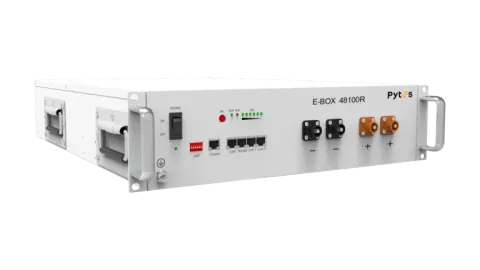
Pytes E-Box 48100R 5.12kWh 51.2V Server Rack Battery
Mid-range

6. Pytes E-Box 48100R 5.12kWh 51.2V Server Rack Battery

Pytes

$1,899–$1,999

A certification-first rack module: UL 9540 listed, CEC-listed, and explicitly validated with Sol-Ark and other mainstream inverters, the safe pick when your install needs to pass inspection.

Best for: Permit-conscious off-grid builds, especially on Sol-Ark inverters

UL 9540 / CEC listings and certified Sol-Ark communications · Broad compatibility with mainstream 48V inverters (Growatt, MPP, SMA) · 10-year warranty with a 6,000-cycle (90% DoD) rating · Slim 2.6U fit in standard 19" racks

Pricier per kWh than commodity rack modules · 50A continuous charge/discharge is modest for high-draw banks

Sources: self2solar.com, solar-electric.com, pytesusa.com

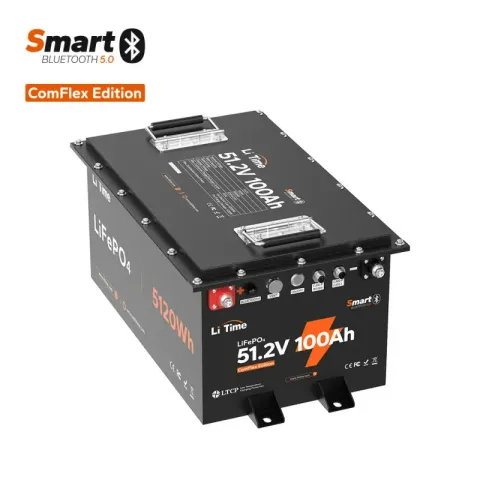
LiTime 48V 100Ah ComFlex 5.12kWh Server Rack Battery
Budget

7. LiTime 48V 100Ah ComFlex 5.12kWh Server Rack Battery

LiTime

$899–$1,399

The DIY community's long-standing budget default, now in a stackable ComFlex rack form with CAN/RS485 comms to Victron, SMA, Deye, GoodWe, and Growatt, dependable storage at roughly $120/kWh.

Best for: Budget DIY builders who want a known-quantity rack module with broad inverter comms

Proven budget brand with a large, satisfied DIY user base · ComFlex stacking + rack mounting flexibility · Closed-loop CAN/RS485 to most popular inverters · EV-grade cells, 100A BMS, 4,000+ cycles at 100% DoD

~4,800W per module caps high-power single-module setups · Support is more consumer-direct than the specialty-dealer brands

Sources: litime.com, lithiumion-batteries.com, sunforgelab.com

EP900 + B500 Home Battery Backup (9.9kWh, expandable)
Premium

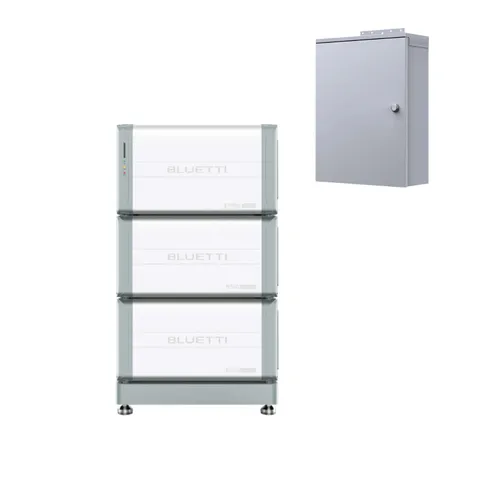
8. EP900 + B500 Home Battery Backup (9.9kWh, expandable)

BLUETTI

$4,999–$5,999

An installed all-in-one with a 9,000W 120/240V inverter and 9.9 kWh of LiFePO4 that expands to ~39.6 kWh, a clean, supported whole-home option with a 10-year warranty and optional pro install.

Best for: Homeowners wanting a supported, expandable whole-home off-grid/backup system

Single base unit outputs both 120V and 240V at 9,000W · Expandable from 9.9 kWh to 39.6 kWh with added B500 batteries · Works off-grid or with existing/new solar; 10-year warranty · Optional certified installation for a turnkey path

Premium cost per kWh versus a DIY rack bank · Larger fixed install, not portable like a power station

Sources: bluettipower.com, outboundpower.com

eVault MAX 18.5kWh LFP Battery
Premium

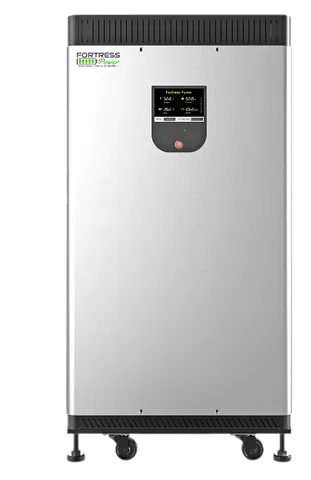
9. eVault MAX 18.5kWh LFP Battery

Fortress Power

$8,500–$9,200

A heavy-duty, top-access 18.5 kWh floor battery with >98% round-trip efficiency and 8,000+ cycles: superb hardware, but now being phased out, so buy it only to extend an existing eVault system.

Best for: Owners expanding an existing Fortress eVault bank, not new from-scratch builds

Massive 18.5 kWh single-cabinet capacity, scalable to hundreds of kWh · >98% round-trip efficiency and 8,000+ cycles at 80% DoD · Serviceable top-access design; AC and DC coupling options

Being discontinued, Fortress now steers new builds to its eBoost line · Among the most expensive options; needs a compatible inverter

Sources: fortresspower.com, generationecostore.com, solar-electric.com

How we choose

We ranked these by overall fit for off-grid and rural homeowners, not by price, judging usable kWh and scalability, cold-weather behavior, cycle life and warranty, inverter/closed-loop (CAN/RS485) compatibility, build quality and serviceability, and real U.S. availability and support in 2026. The three tiers reflect how the product is bought and lived with: budget covers bare 48V server-rack modules (~5 kWh, lowest cost per kWh, you supply the inverter and integration); mid covers premium rack modules with stronger BMS communications, certifications, and serviceability; premium covers large all-weather wall-mount packs and all-in-one inverter+battery systems you can deploy with minimal wiring. This guide is editorially independent: no manufacturer paid for placement, ranking, or a favorable review, and we selected products on the merits. Some retailer links may be affiliate links that earn us a commission if you buy, but that never influences which products we include or how we rank them.

Common questions

Most full-time off-grid homes run on 10–30 kWh of usable storage paired with solar, while a weekend cabin with lights, a fridge, and device charging can be happy with 5–10 kWh. The honest way to size it is to total your daily watt-hour consumption, then carry 2–3 days of autonomy for cloudy stretches. Because LiFePO4 lets you use ~90–100% of rated capacity, a single 5 kWh rack module covers a frugal cabin, and four of them (~20 kWh) covers a typical small full-time home. Buy a system that scales so you can add modules later rather than guessing perfectly up front.

If you're comfortable wiring DC, choosing a compatible inverter, and setting up closed-loop comms, 48V server-rack modules (EG4 LifePower4, SOK, Pytes, WattCycle) give you by far the lowest cost per kWh and the easiest path to expansion. If you'd rather avoid the integration work, or want something approvable and movable without an electrician, an all-in-one like the EcoFlow DELTA Pro Ultra or BLUETTI EP900 bundles the inverter, BMS, and battery into one supported product, at a higher cost per kWh. The all-weather wall-mounts (EG4 PowerPro) sit in between: large, outdoor-rated battery packs that still need a separate inverter.

LiFePO4 can discharge in the cold but must not be charged below freezing without damage, which is the #1 mistake in unheated cabins. Some packs solve this with built-in self-heating, the EG4 PowerPro WallMount is specifically all-weather/IP65 with integrated heaters and is the standout here for unheated or outdoor installs. Bare rack modules generally assume an above-freezing, conditioned space (a closet, utility room, or insulated battery box). If your battery location drops below 32°F, prioritize a self-heating model or plan to keep the space warm.

Closed-loop means the battery's BMS talks to your inverter over CAN or RS485, so the inverter knows the true state of charge and can throttle charge/discharge to protect the pack. It's not strictly required, but it makes for a safer, smarter system and is worth matching at purchase time. Check that your chosen battery lists support for your inverter brand (Victron, Sol-Ark, EG4, Growatt, SMA, Deye). Pytes and EG4, for example, advertise broad inverter compatibility and certifications like UL 9540.

LiFePO4 is the safest mainstream lithium chemistry, it's thermally stable and does not enter thermal runaway the way the NMC cells in phones and EVs can, even if punctured. That's exactly why it dominates residential storage. Reduce risk further by buying UL-listed packs (UL 1973 for the battery, UL 9540 for full systems), installing per the manual with proper fusing and ventilation, and not mixing mismatched modules. For peace of mind in a living space, several picks here add fire arrestors and robust BMS protection.

Amazon is great for price but terrible for matching a battery to an off-grid system. Listings rarely tell you whether the BMS will do closed-loop comms with your inverter, whether cells are genuine Grade A, how warranty claims are actually handled, or whether the unit is UL-listed for a home install. The specialty solar retailers (Signature Solar, Current Connected, Inverters R Us, Pytes) provide that support and stand behind the warranty, which matters a lot when a module fails three years into a ten-year life in a remote location.

Some links are affiliate links, and we may earn a commission at no extra cost to you. It never affects our rankings.

In your pocket

Take your land with you.

Free, no account needed. Planning tools, public-land maps, and field tools built for off-grid country.

  • Public-land boundaries in your pocket. No subscription

  • Walk a boundary with GPS and see its real shape

  • Plan the route out to the parcel and save it

  • GPS tracking that keeps recording where signal never reaches

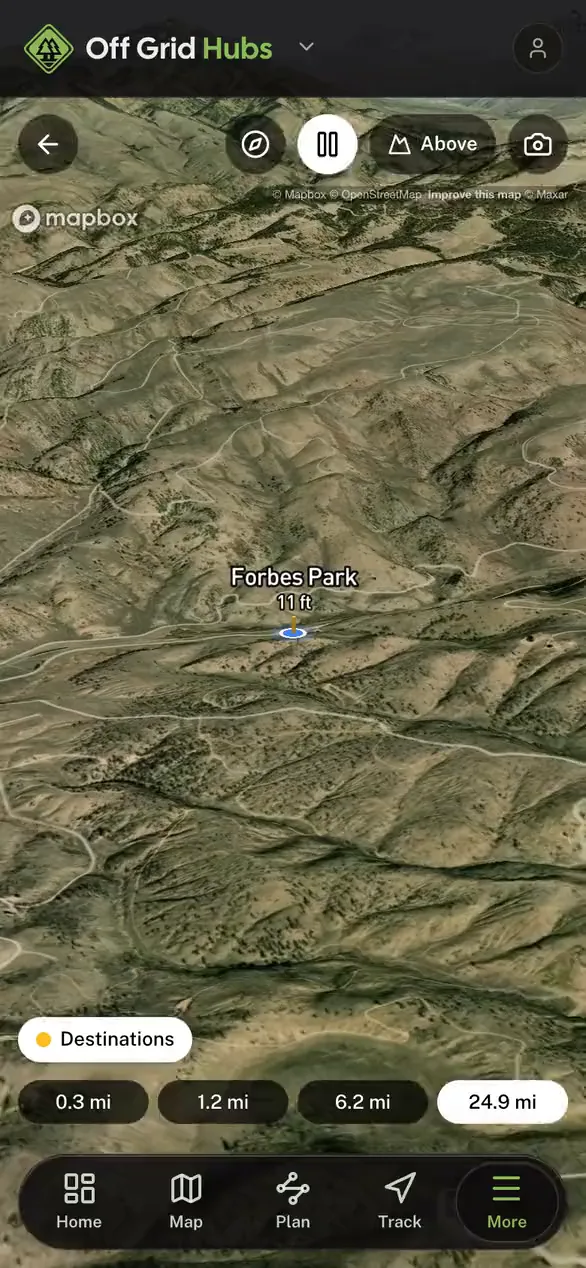
Nearby places standing on the real terrain in 3D in the Off Grid Hubs app

Ready to launch?

Ready to give your community
better tools?

Free GPS parcel maps, fire monitoring, road reports, and community tools, branded for your community and ready in about a week.