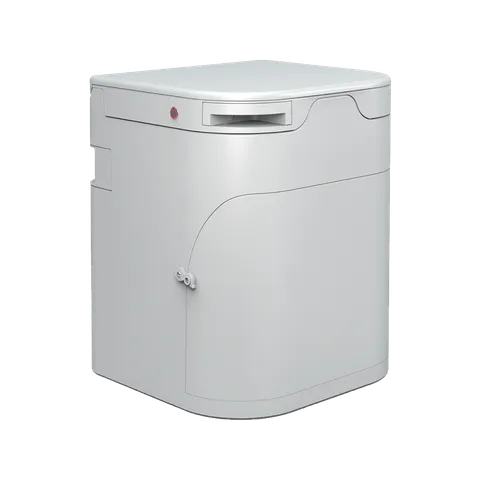
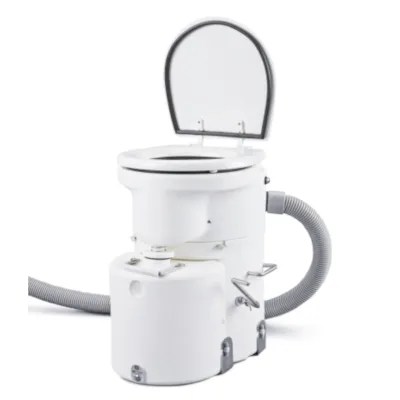
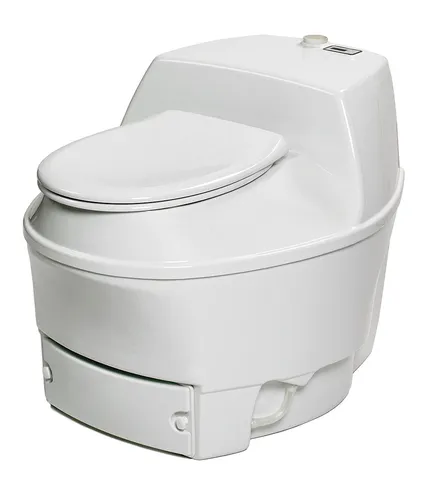
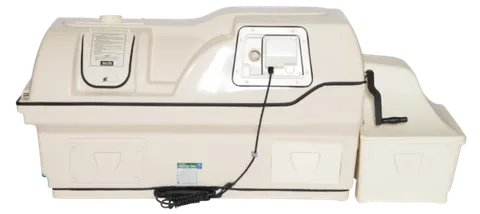
For off-grid homeowners and rural cabin dwellers, the toilet is the single most decision-defining fixture in the house. With no municipal sewer, no septic budget, or a water table and soil that make a leach field impractical, a composting toilet stops being a novelty and becomes core infrastructure. The good news is that the category has matured enormously: what was once a choice between an industrial $3,000 drum system and a sawdust bucket now spans a dozen genuinely livable products at every price point. The bad news is that Amazon's listings flatten all of that into a wall of look-alike plastic boxes, so it's nearly impossible to tell which units are built for a weekend van and which are built to run a household for years.
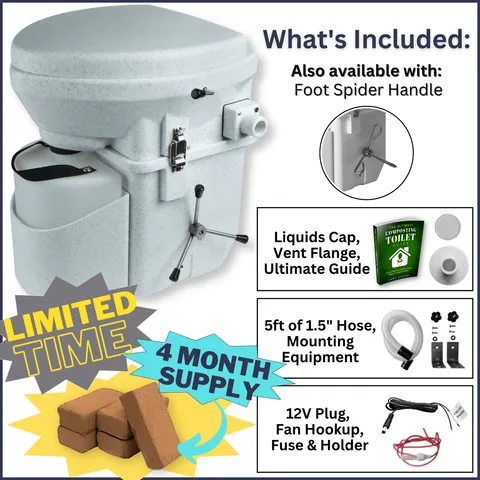
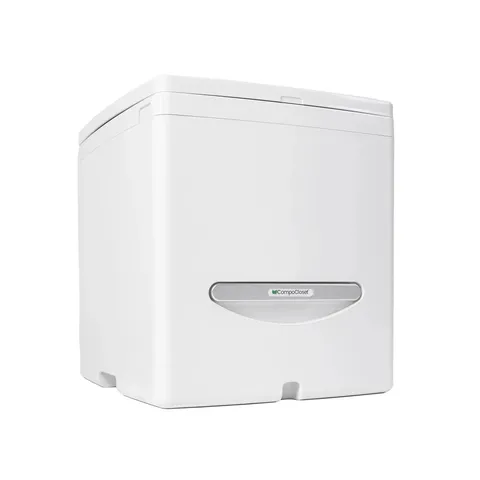
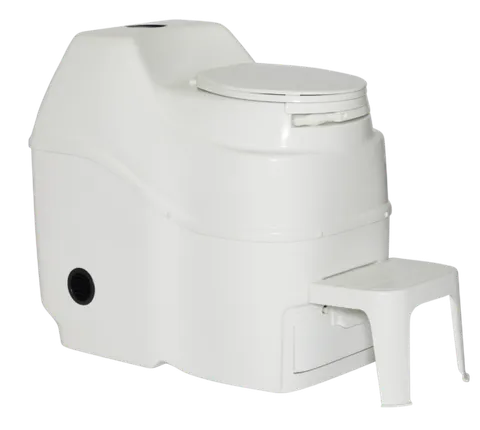
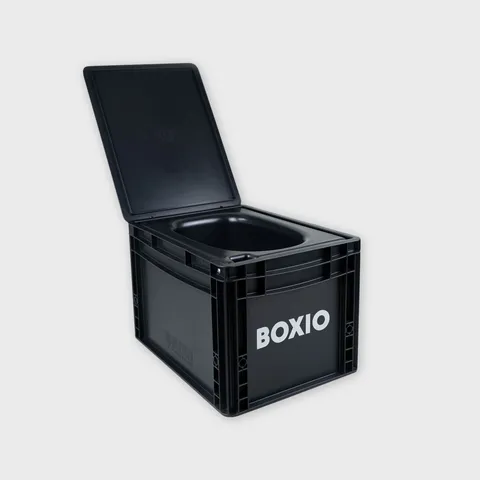
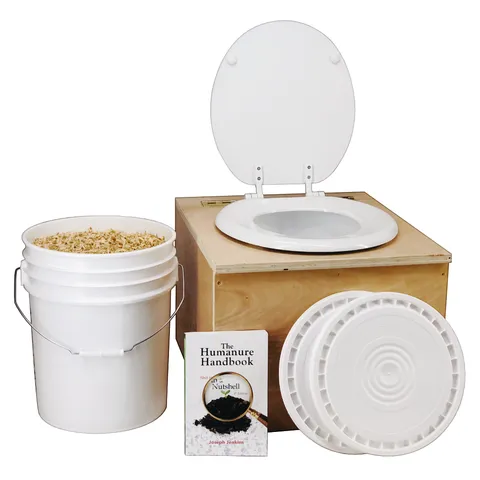
This guide is organized around the way a real off-grid buyer actually shops: by capacity and use pattern first, price second. A urine-diverting self-contained unit like the Nature's Head or CompoCloss Cuddy is the right answer for the majority of cabins and tiny homes: it installs in an afternoon, runs on a trickle of 12V power, and empties in a few minutes. But a full-time family home leans toward a high-capacity, often non-electric Sun-Mar or a central system that you mostly never have to think about, while a hunting cabin used six weekends a year may be perfectly served by a $180 BOXIO or a $400 sawdust loo.
Every product below is a real, currently-available 2026 model with prices drawn from manufacturer and retailer listings. We've deliberately spanned the spectrum from a sub-$200 bucket system to a ~$3,000 automatic electric unit so you can see where the meaningful jumps in capacity, automation, and cold-weather performance actually fall, and decide how much toilet your situation genuinely requires.