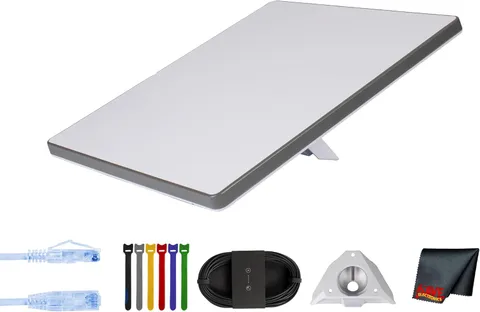
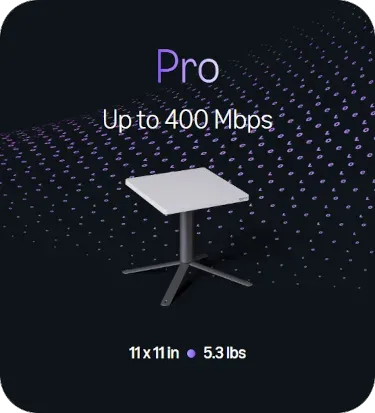
For off-grid homeowners and rural cabin dwellers, satellite internet is usually the only real broadband option, there's no cable or fiber coming up the dirt road, and cellular is a coin flip behind the next ridge. The good news is that 2026 is the best the category has ever been: SpaceX's Starlink has matured into a genuinely fast, low-latency service with hardware that now sips power, Viasat dropped its hated data caps, HughesNet quietly tripled its speeds, and Amazon's Leo constellation is finally close to a consumer launch. The bad news is that the marketing is a mess of promo pricing, leased-vs-owned equipment, and "up to" speeds that bury the questions an off-grid buyer actually cares about: how much power does the dish draw, does it work without a grid connection, and what does it really cost once the introductory discount expires.
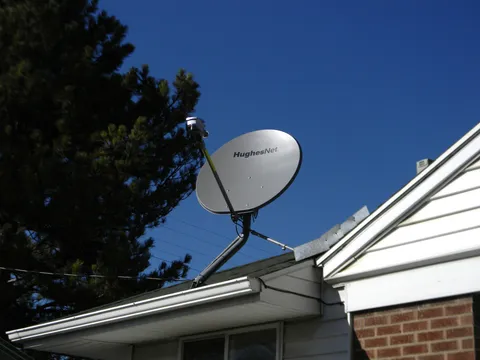
The single biggest divide is the technology. Low-Earth-orbit (LEO) systems (Starlink today, Amazon Leo soon), fly satellites a few hundred miles up, so latency is low enough (20–50 ms) for video calls and even gaming, and speeds run 50–220 Mbps. Geostationary (GEO) systems, Viasat and HughesNet, sit 22,000 miles up, which means 600+ ms of lag that no amount of bandwidth fixes; they're fine for email, browsing, and streaming, painful for live calls. For most off-grid homes the answer is now LEO, but GEO still wins on two things that matter in the backcountry: a single fixed dish that a pro bolts to your roof, and predictable flat-rate billing with no hardware to power-manage.
This guide ranks real, currently-purchasable systems across the price spectrum, with one eye always on the thing Amazon's listings never tell you: every watt counts when your house runs on a battery bank and a solar array. Where a product draws little enough power to live on a modest panel-and-battery setup, we say so.