Off-Grid Communities · North Carolina
Off-Grid Communities in North Carolina
Explore 1 community across North Carolina. Maps, hours, contact info, photos, and verified operator profiles, all in one place.
Outer Banks, the Smokies, and the longest segment of the Blue Ridge.
Updated
About North Carolina
1 on the map
Tap a pin to open its profile.
Quick facts
- Communities listed
- 1
- Best season
- April through November
All listings
1 community
across North Carolina
Plan your trip
Plan your trip to North Carolina
Rainwater Harvesting Regulations
North Carolina generally permits rainwater harvesting for non-potable uses without extensive regulation. For potable use, systems must adhere to state plumbing codes and often require approval from local health departments to ensure water quality and safety.
Wastewater Management
Composting toilets and other alternative wastewater systems require approval from the local county health department or environmental health specialist. Standard septic systems are highly regulated, necessitating permits, proper design, and inspections to comply with state and local environmental health standards.
Building Codes and Zoning
North Carolina enforces a statewide building code. However, zoning ordinances and enforcement vary significantly by county. Some rural counties may have less restrictive zoning or potentially allow for owner-builder exemptions, while minimum dwelling size requirements can also differ. Always verify specific regulations with the county planning and inspections departments.
Well Permits and Water Rights
Installing a private well in North Carolina requires a permit from the local county health department. This ensures proper siting, construction, and protection of groundwater resources. Water rights for groundwater are generally tied to land ownership, while surface water use may be subject to riparian principles.
Solar Exposure and Net Metering
North Carolina offers excellent solar irradiance, particularly in the Piedmont and Coastal Plain. Net metering policies are available through most major utility providers for grid-tied solar systems, allowing homeowners to receive credit for excess electricity. Stand-alone off-grid solar systems do not require net metering but must comply with electrical safety codes.
Property Tax Posture
Property taxes are assessed and collected at the county level, with rates varying significantly across the state. North Carolina offers a 'Present Use Value' program, which can provide property tax relief for qualifying agricultural, horticultural, or forestland, potentially benefiting off-grid homesteaders with productive land.
Confirm current requirements with the state agency before your trip. Rules and fees change every season.
Well Construction Permit
A permit from the local county health department is required before drilling or constructing a private water well. This ensures the well meets state standards for siting, construction, and water quality protection.
On-Site Wastewater (Septic) System Permit
Any new or repaired on-site wastewater system (septic system) must be permitted by the local county health department. This includes site evaluation, system design approval, and final inspection to ensure compliance with environmental health regulations.
Building Permits
Most new construction, additions, or significant renovations, including off-grid structures, require building permits issued by the local county or city inspections department. These permits ensure compliance with the North Carolina State Building Code.
- 01
Understand County-Specific Regulations
Begin by researching zoning laws, building codes, and health department requirements for wells and septic systems in target counties. These regulations vary significantly and are crucial for lawful off-grid development.
- 02
Define Your Off-Grid Needs
Evaluate your specific requirements for water, power, waste management, and shelter. This will guide your land search and help determine the feasibility of different off-grid systems in a particular location.
- 03
Assess Land Characteristics
Thoroughly investigate potential properties for water sources, soil quality, solar exposure, timber availability, and access. Consider professional surveys and percolation tests for septic suitability.
- 04
Secure Financing and Insurance
Explore financing options tailored for rural or raw land, as traditional mortgages may not apply. Research insurance providers willing to cover off-grid homes and infrastructure, especially in areas prone to natural events.
- 05
Engage Local Professionals
Connect with local well drillers, septic installers, solar technicians, and general contractors familiar with off-grid setups and county regulations. Their expertise is invaluable for successful development.
01How many off-grid communities are in North Carolina?
02Is off-grid living legal in North Carolina?
03What are the common challenges for off-grid water in NC?
04Can I use composting toilets for my off-grid homestead?
05What kind of solar setup is best for North Carolina?
06Are there specific counties known for being off-grid friendly?
07How does road access impact off-grid property in North Carolina?
When to go
Season by season in North Carolina
Spring (March - May)
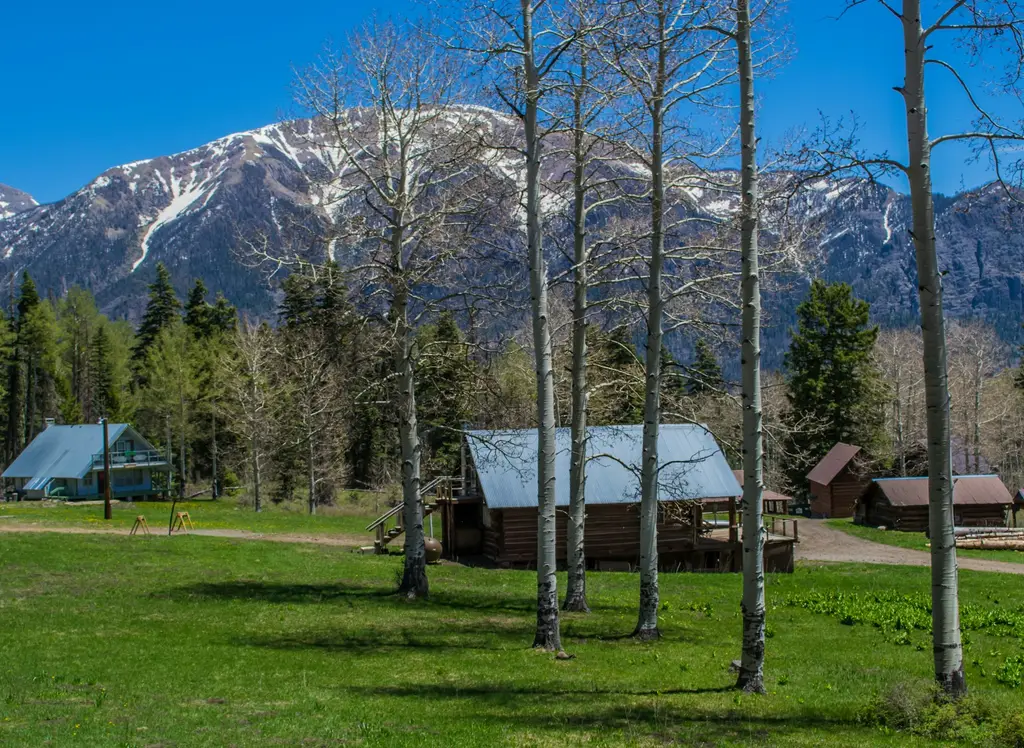
Spring brings a rapid awakening across North Carolina, ideal for starting gardens and establishing new homesteads. Heavy rains can occur, beneficial for water collection but also for managing muddy access roads, especially in rural areas.
Summer (June - August)
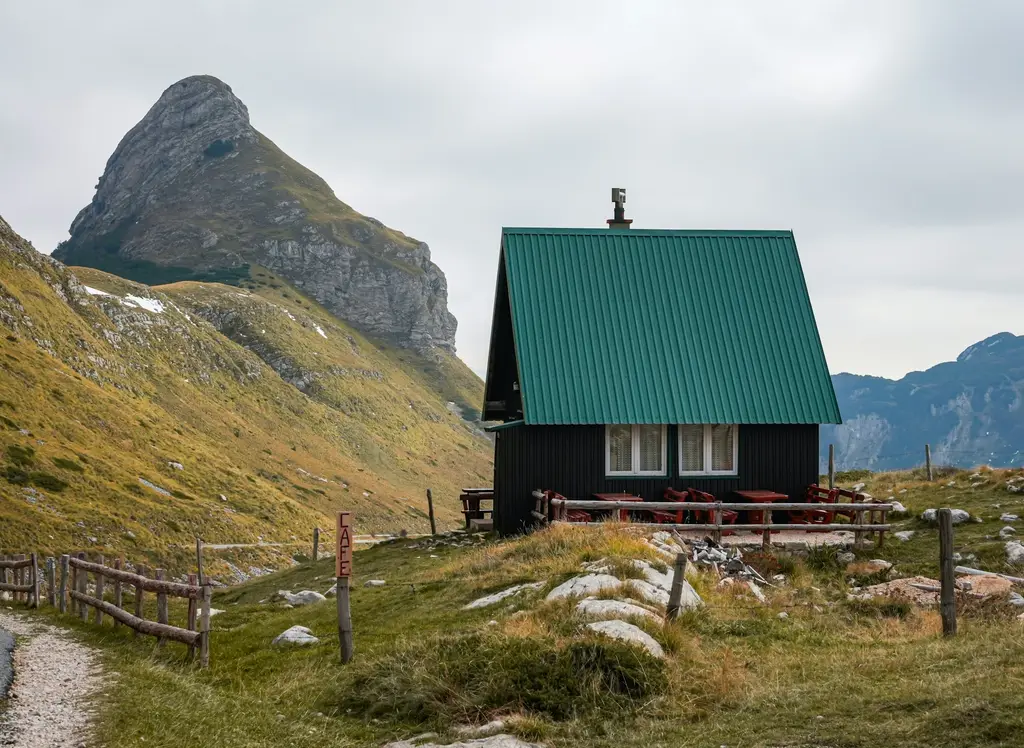
Summers are warm to hot and humid, particularly in the Piedmont and Coastal Plain. This period is prime for gardening and solar energy production, but also requires vigilant water management and planning for cooling off-grid homes.
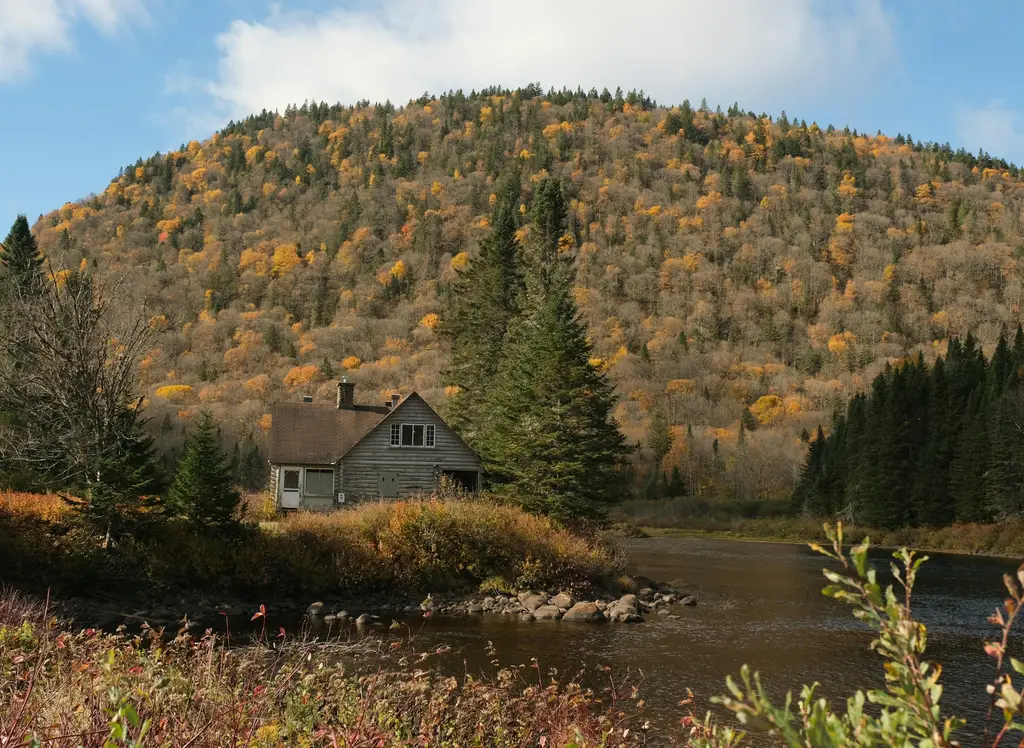
Fall (September - November)
Fall offers pleasant temperatures and a vibrant display of foliage, making it a favored time for outdoor work, harvesting, and preparing for winter. Hurricane season extends into early fall, requiring preparedness, especially in eastern regions.
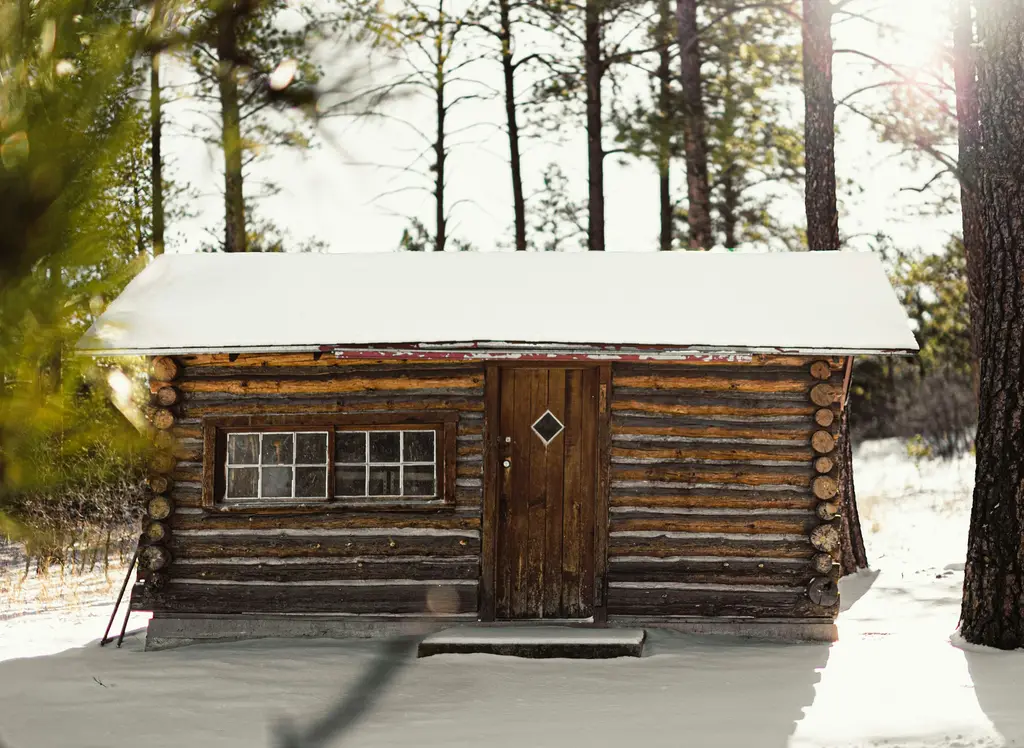
Winter (December - February)
Winters are generally mild in the east, with colder temperatures and occasional snow in the mountains. This season is crucial for managing wood heat, ensuring adequate food storage, and maintaining off-grid systems in colder conditions.
Free tools
Your free outdoor toolkit

Everything Map
Listings, trails, spots, clubs and public land on a single full-screen map. Switch layers on and off, then tap any point for the details.
Open Everything MapProperty Lines Map
Property lines from your state’s own public parcel records on satellite imagery. Search an address and tap a parcel for its parcel ID, size, and owner where the state publishes it.
Open Property Lines MapLand Report
Check land before you buy it: the FEMA flood zone, how the soil rates for a septic system, elevation, solar, and the parcel owner, from government data.
Open Land ReportCabin Builder
Sketch a cabin in 3D, then export a blueprint and bill of materials. Nothing to install.
Open Cabin BuilderSolar Planner
Size panels, batteries, and an inverter from your appliance loads, with real sun data for your land.
Open Solar PlannerHomestead Planner
Trace your parcel on satellite imagery and place a cabin, well, septic, solar array, and garden.
Open Homestead Planner