Off-Grid Communities · Washington
Off-Grid Communities in Washington
Explore 1 community across Washington. Maps, hours, contact info, photos, and verified operator profiles, all in one place.
North Cascades, the Olympics, and 3,000 miles of saltwater coastline.
Updated
About Washington
1 on the map
Tap a pin to open its profile.
Quick facts
- Communities listed
- 1
- Best season
- June through October
All listings
1 community
across Washington
Plan your trip
Plan your trip to Washington
Rainwater Harvesting
Washington state law generally allows for rainwater harvesting without a permit for non-potable uses. For potable uses, local health department regulations and building codes may apply, particularly if the system is connected to a dwelling. Verify specific requirements with your county's health department.
Composting Toilets and Wastewater
Composting toilets are generally permissible in Washington but must meet specific standards and be approved by the local county health department. Conventional septic systems require permits from the county health department, and regulations vary based on soil type and proximity to water sources. Greywater recycling systems also fall under local health department oversight.
Building Codes and Minimum Dwelling Size
Washington enforces the International Building Code, but interpretations and enforcement can vary by county. Some rural counties, such as Ferry, Stevens, and Pend Oreille, may offer more flexibility for owner-built structures or have less stringent minimum dwelling size requirements, particularly for non-permitted accessory structures. Always consult the local county planning and building department.
Well Permits and Water Rights
Drilling a new well in Washington requires a permit from the Department of Ecology. Water rights are complex and often tied to historical use or specific allocations; it is crucial to research existing water rights for any property. Exempt wells for single domestic use are common but have specific limitations on annual withdrawal.
Solar Exposure and Net Metering
Eastern Washington receives excellent solar exposure, making it highly suitable for photovoltaic systems. Western Washington, while cloudier, can still support solar with proper sizing. Washington has a net metering program, allowing grid-tied solar users to send excess electricity back to the grid for credit, though off-grid systems are independent of this.
Property Taxes and Zoning
Property taxes in Washington are assessed at the county level based on appraised value; there are no specific exemptions for off-grid properties. Zoning ordinances dictating land use, minimum lot sizes, and allowed structures are set by individual counties and often by specific rural districts, which can significantly impact off-grid development plans. Research county zoning maps and ordinances carefully.
Confirm current requirements with the state agency before your trip. Rules and fees change every season.
Well Drilling Permit
Constructing a new well in Washington requires filing a Notice of Intent with the Washington State Department of Ecology at least 72 hours before drilling, Ecology treats this as a construction notification, not a water-right permit. Wells must meet state construction standards and are typically drilled by a licensed well driller, though a property owner may construct a well on their own land for their own use.
WA Dept. of EcologyOn-Site Septic System Permit
For properties not connected to a municipal sewer system, an on-site septic system is typically required. Design and installation of these systems must be permitted and inspected by the local county health department to ensure public health and environmental protection.
Building Permits
Most permanent structures, including primary dwellings, require building permits from the local county planning or building department. These permits ensure compliance with the Washington State Building Code, which covers structural integrity, safety, and energy efficiency. Requirements can vary by county and specific rural zones.
WA State Building Code CouncilWater Rights Application
While exempt wells for single domestic use are common, larger water withdrawals or specific non-domestic uses may require a water right permit from the Department of Ecology. Understanding existing water rights associated with a property is critical before purchase.
WA Dept. of Ecology
- 01
Research County Zoning and Building Codes
Begin by identifying specific counties and their local ordinances regarding land use, minimum dwelling sizes, accessory structures, and alternative building methods. This foundational research will inform what is legally feasible for your off-grid vision.
- 02
Assess Water Sources and Rights
Investigate potential water sources on prospective properties, such as wells, springs, or rainwater harvesting potential. Crucially, understand the existing water rights or permitting requirements from the Washington State Department of Ecology for any planned water usage.
- 03
Evaluate Energy Potential
Analyze solar insolation data and wind resources for the specific location. Consider the orientation of the land, tree cover, and prevailing weather patterns to determine the most viable renewable energy system for your off-grid homestead.
- 04
Visit Properties in Different Seasons
Experience properties during various seasons to understand the full range of weather conditions, accessibility challenges, and seasonal resource availability. This provides a realistic perspective on living off-grid throughout the year.
- 05
Connect with Local Off-Grid Communities
Seek out existing off-grid communities, homesteaders, or local groups in your target regions. Their insights into local regulations, resource management strategies, and community dynamics can be invaluable for planning and integration.
01How many off-grid communities are in Washington?
02Is off-grid living legal in Washington State?
03What are the common challenges for off-grid water sources?
04Are composting toilets or alternative septic systems allowed?
05How do building codes affect off-grid structures like tiny homes or earthships?
06What is the internet access like for off-grid properties in rural Washington?
07Are there specific regulations for off-grid energy systems (solar/wind)?
When to go
Season by season in Washington
Spring
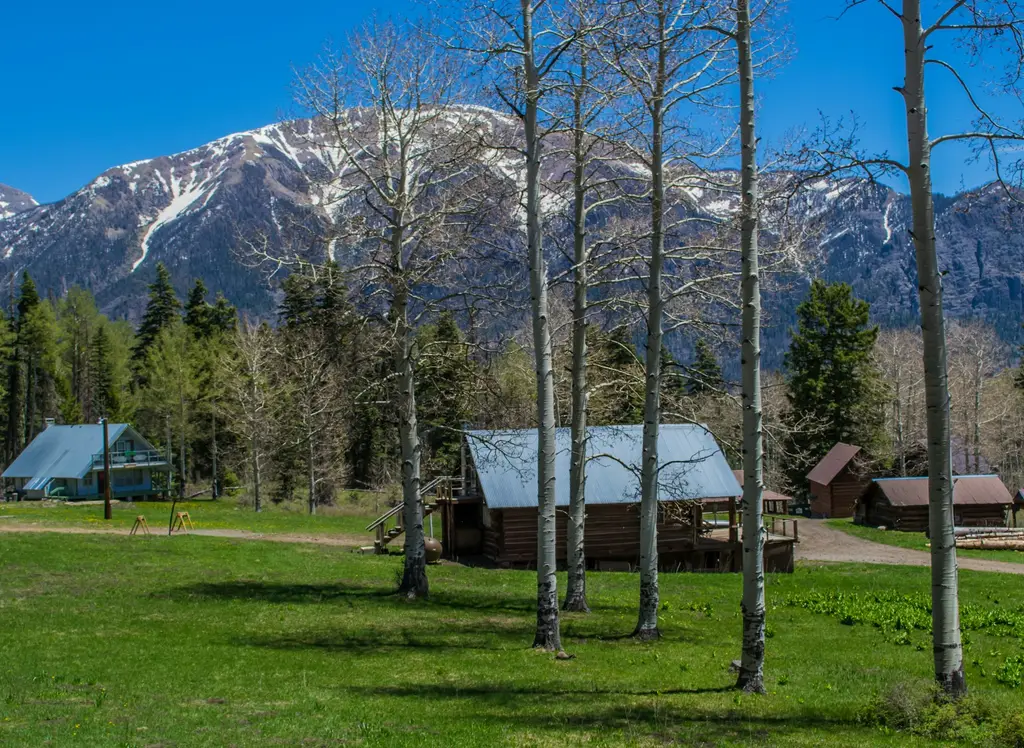
Spring brings abundant rainfall and rapid plant growth, making it ideal for planting gardens and assessing water runoff and soil conditions for new homesteads. Snowmelt in the mountains can swell rivers, impacting water access and potential for hydropower.
Summer
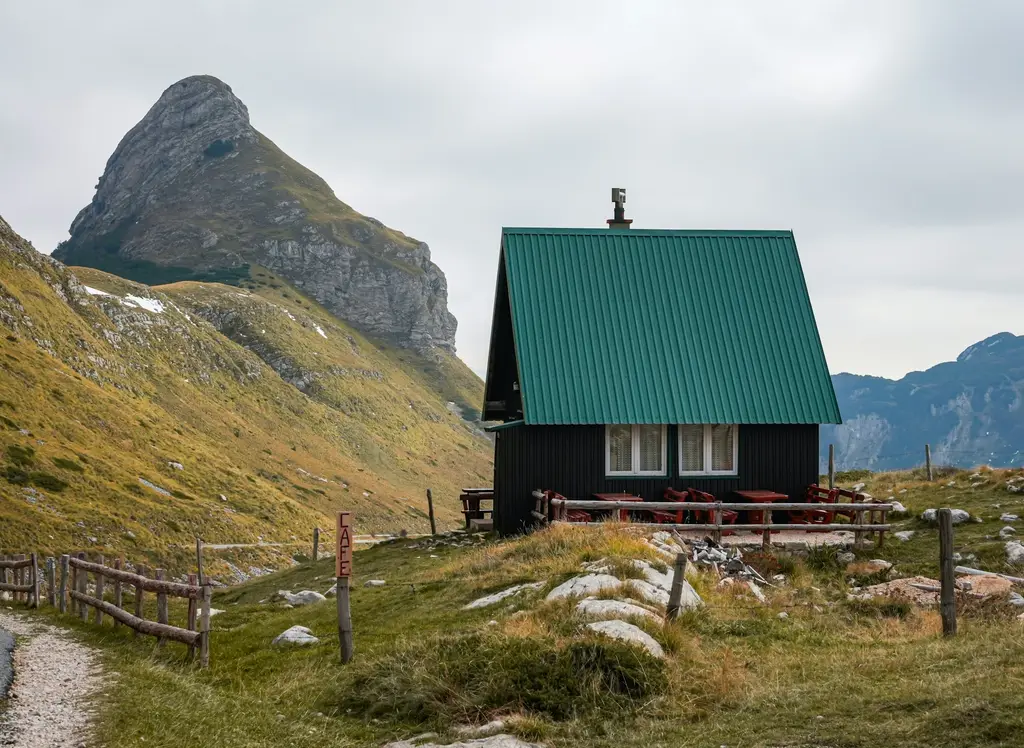
Summers are generally dry and warm, especially in Eastern Washington, offering long daylight hours for solar energy production and prime conditions for harvesting. Fire danger is a significant concern, requiring careful land management and preparedness.
Fall
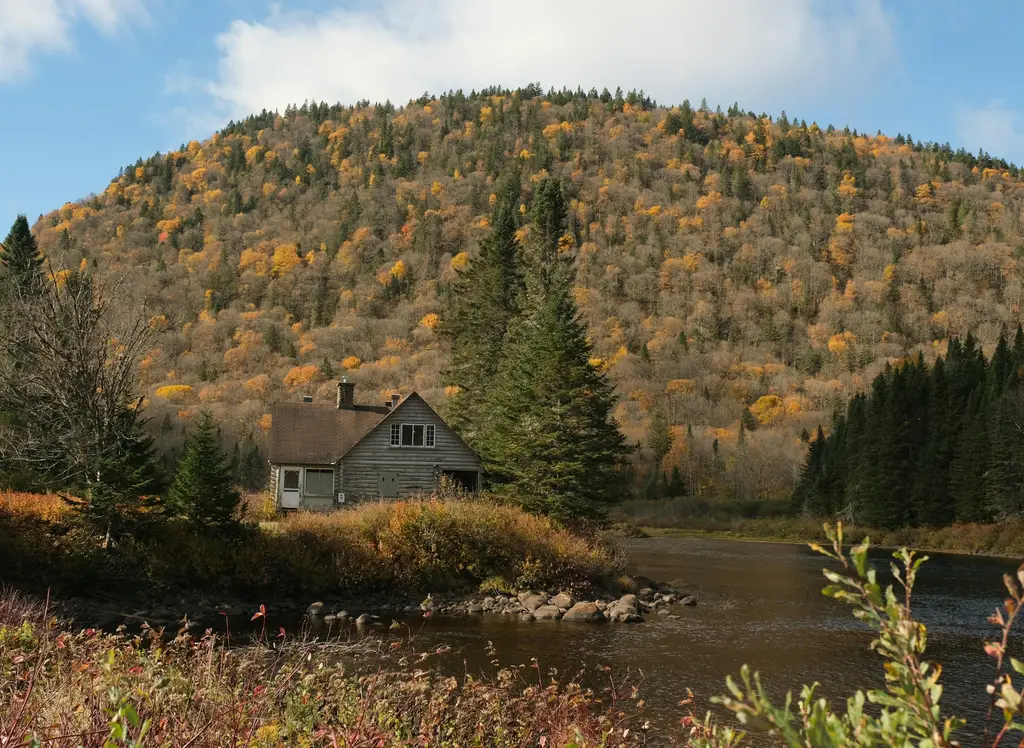
Fall is a crucial time for harvesting late crops, preserving food, and preparing for winter, including gathering firewood and ensuring structures are weather-tight. The shorter days also signal a reduction in solar gain, prompting energy conservation strategies.
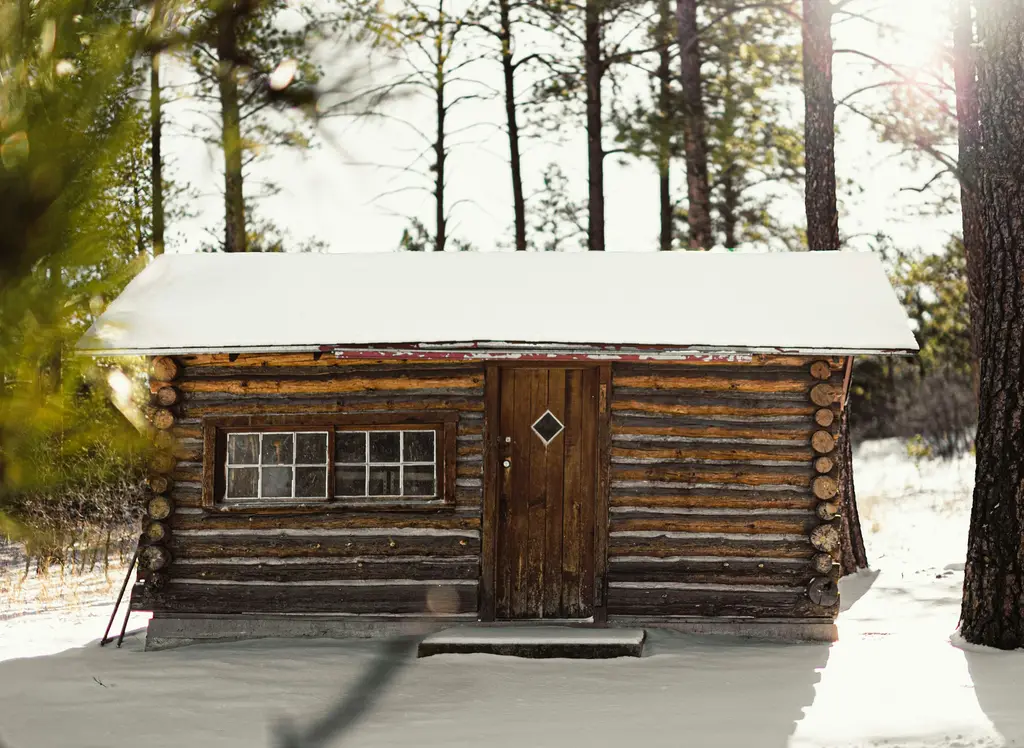
Winter
Winters vary from mild and wet on the coast to cold with heavy snow in the mountains and eastern plains, challenging energy independence and access. Reliance on stored provisions and robust heating systems becomes paramount during this period of reduced sunlight and potential isolation.
Free tools
Your free outdoor toolkit

Everything Map
Listings, trails, spots, clubs and public land on a single full-screen map. Switch layers on and off, then tap any point for the details.
Open Everything MapProperty Lines Map
Property lines from your state’s own public parcel records on satellite imagery. Search an address and tap a parcel for its parcel ID, size, and owner where the state publishes it.
Open Property Lines MapLand Report
Check land before you buy it: the FEMA flood zone, how the soil rates for a septic system, elevation, solar, and the parcel owner, from government data.
Open Land ReportCabin Builder
Sketch a cabin in 3D, then export a blueprint and bill of materials. Nothing to install.
Open Cabin BuilderSolar Planner
Size panels, batteries, and an inverter from your appliance loads, with real sun data for your land.
Open Solar PlannerHomestead Planner
Trace your parcel on satellite imagery and place a cabin, well, septic, solar array, and garden.
Open Homestead Planner