Off-Grid Communities · Arkansas
Off-Grid Communities in Arkansas
Explore 1 community across Arkansas. Maps, hours, contact info, photos, and verified operator profiles, all in one place.
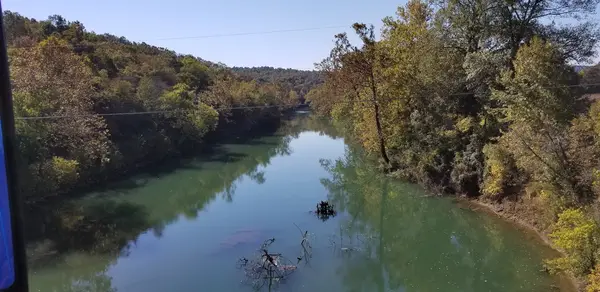
Ozark hardwoods, Ouachita mountains, and the Buffalo National River.
Updated
About Arkansas
1 on the map
Tap a pin to open its profile.
Quick facts
- Communities listed
- 1
- Best season
- March through November
All listings
1 community
across Arkansas
Plan your trip
Plan your trip to Arkansas
Rainwater Harvesting
Rainwater harvesting is generally permitted in Arkansas. There are no state-level restrictions prohibiting the collection and use of rainwater, making it a viable primary or supplemental water source for off-grid homesteads. However, systems for potable use should meet health department standards.
Wastewater and Composting Toilets
On-site wastewater systems, including septic and alternative systems, require permits from the Arkansas Department of Health (ADH). Composting toilets are generally allowed, but graywater disposal must still comply with ADH regulations for proper treatment and dispersal. Verify local county requirements.
Building Codes and Minimum Dwelling Size
Arkansas adopts state-wide building codes, but enforcement varies significantly by county and municipality. Many rural counties have minimal or no building code enforcement, which can be advantageous for owner-builders and alternative construction. Always check with the specific county planning department for current regulations regarding permits and minimum dwelling sizes.
Well Permits and Water Rights
Arkansas does not require the landowner to obtain a state permit to drill a private domestic well, but the work must be done by a contractor licensed and registered with the Arkansas Water Well Construction Commission, which sets construction standards and requires a construction report. Water rights generally follow riparian principles for surface water, and groundwater use is regulated by the Arkansas Natural Resources Commission. Understanding these rights is crucial for sustainable water management.
Solar Exposure and Net Metering
Arkansas receives ample sunshine, making solar power an excellent option. The state has net metering policies for grid-tied systems, allowing excess power to be sold back to the utility. For fully off-grid systems, sizing and battery storage are key considerations given seasonal variations in sunlight.
Property Taxes and Growing Season
Arkansas boasts some of the lowest property taxes in the nation, which can significantly reduce the long-term cost of land ownership. The state enjoys a long growing season, typically from April to October, with specific microclimates influencing exact planting and harvest times across its diverse regions.
Confirm current requirements with the state agency before your trip. Rules and fees change every season.
On-Site Wastewater System Permit
Any individual installing or modifying an on-site wastewater treatment system, including septic tanks or alternative systems like those incorporating composting toilets and graywater, must obtain a permit from the Arkansas Department of Health. Plans must be designed by a licensed professional.
Private Water Well Permit
Arkansas does not require the landowner to obtain a state permit to construct a private domestic water well, but the work must be performed by a contractor licensed and registered with the Arkansas Water Well Construction Commission, which sets construction standards and requires a construction report after completion. This ensures proper well construction, protection of groundwater sources, and safe drinking water for the property owner.
County Building Permits
While some very rural counties may have limited or no building code enforcement, most counties or municipalities require building permits for new construction or significant alterations. It is essential to contact the local county planning or development office to understand specific requirements and ensure compliance.
- 01
Research County Zoning and Regulations
Begin by identifying counties known for favorable off-grid regulations, particularly concerning building codes, wastewater, and water sourcing. Contact county planning and health departments directly to verify current ordinances for your intended property use.
- 02
Assess Land Resources and Topography
Evaluate potential land parcels for critical off-grid resources such as reliable water sources (springs, wells, rainwater potential), solar exposure, timber for building/fuel, and suitable topography for gardening or construction. Consider access to public roads and easements.
- 03
Connect with Local Off-Grid Communities
Seek out existing off-grid communities or homesteading groups in Arkansas. Their experience can provide invaluable insights into local challenges, resources, and a network of support for your transition.
- 04
Develop a Comprehensive Site Plan
Before purchasing, create a detailed site plan outlining your intended infrastructure, including dwelling placement, water systems, waste management, energy generation, and agricultural areas. This plan will guide your development and help identify potential issues.
- 05
Secure Financing and Complete Due Diligence
Work with lenders familiar with rural land if financing is needed. Conduct thorough due diligence, including surveying, title searches, and environmental assessments, to ensure the property meets your off-grid needs and has no hidden encumbrances.
01How many off-grid communities are in Arkansas?
02Is it legal to live off-grid in Arkansas?
03What are the requirements for rainwater harvesting?
04Are composting toilets allowed in Arkansas?
05How strict are building codes in rural Arkansas counties?
06What is the typical growing season like in Arkansas?
07Are there off-grid communities in Arkansas?
When to go
Season by season in Arkansas
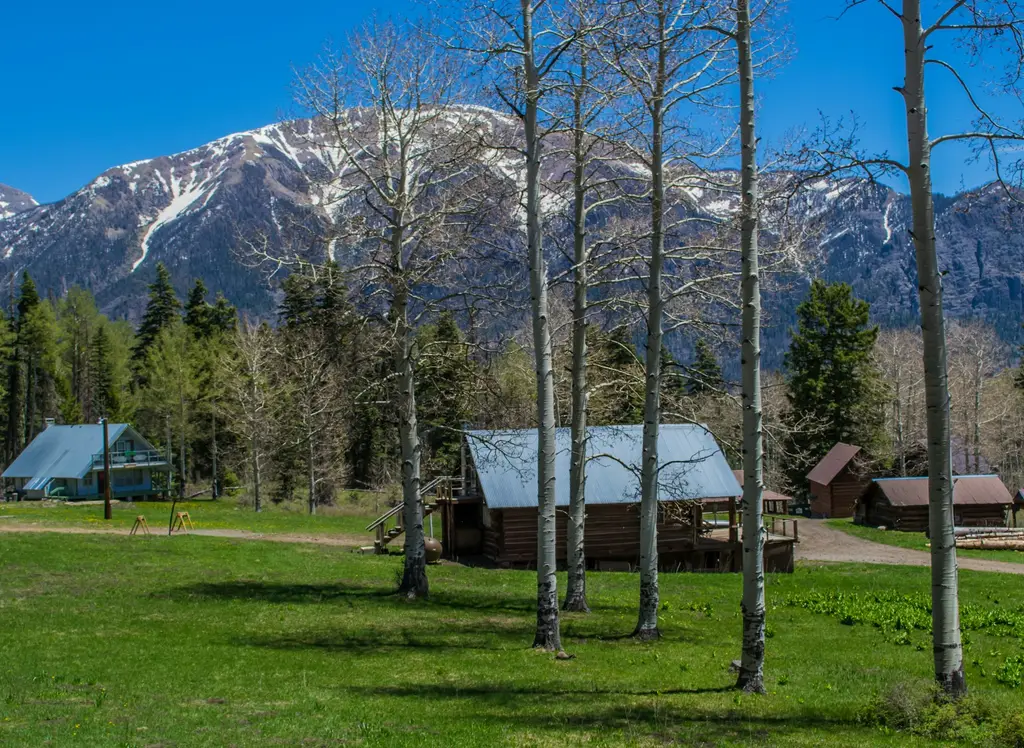
Spring (March - May)
Spring brings mild temperatures and ample rainfall, ideal for starting gardens, planting fruit trees, and assessing water sources. Muddy roads can be a challenge in early spring on undeveloped land.
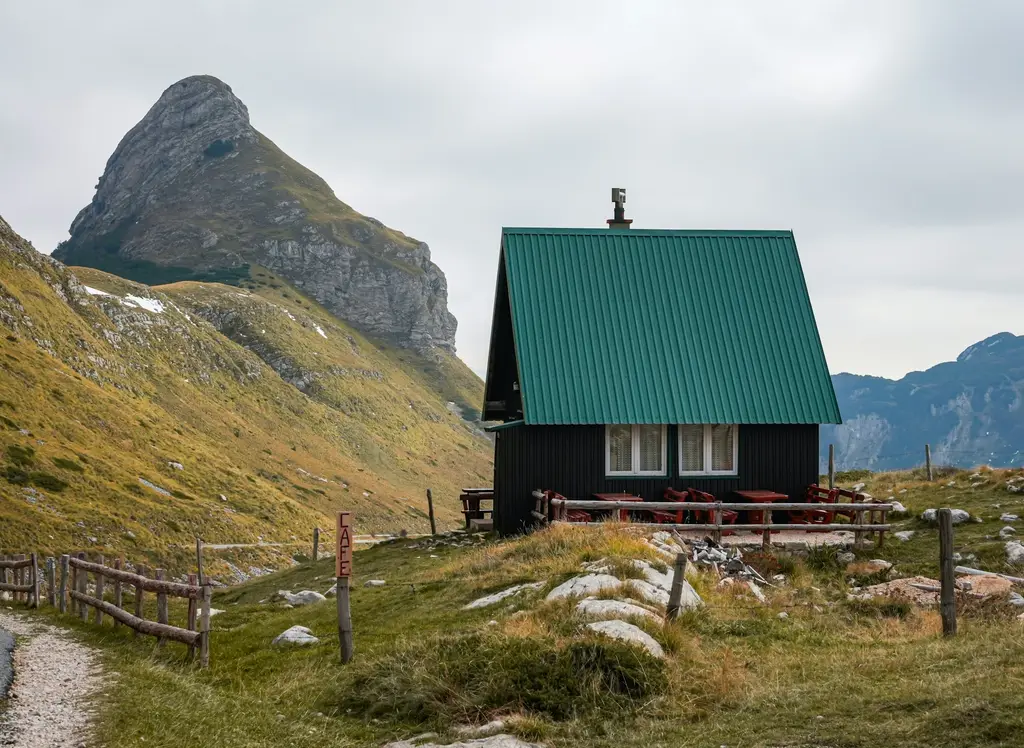
Summer (June - August)
Summers are hot and humid, demanding efficient water management for gardens and livestock. Solar power generation is at its peak, but cooling strategies for dwellings become crucial.
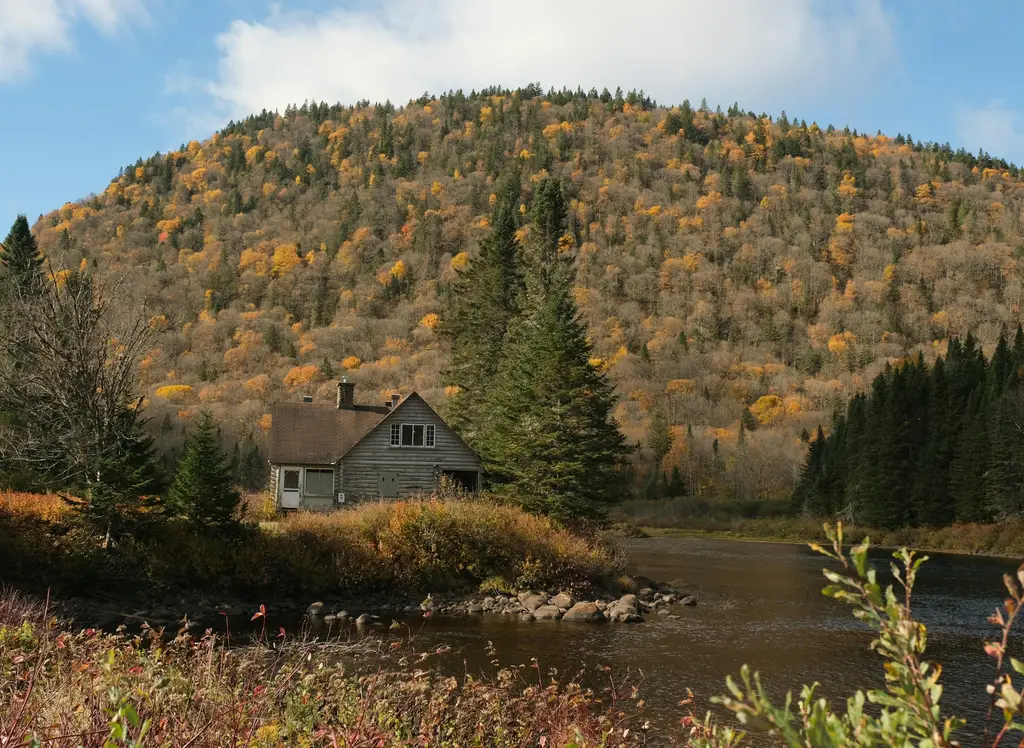
Fall (September - November)
Fall offers pleasant weather for harvesting, food preservation, and preparing infrastructure for winter. This is also an excellent time for land clearing and construction projects before the cold sets in.
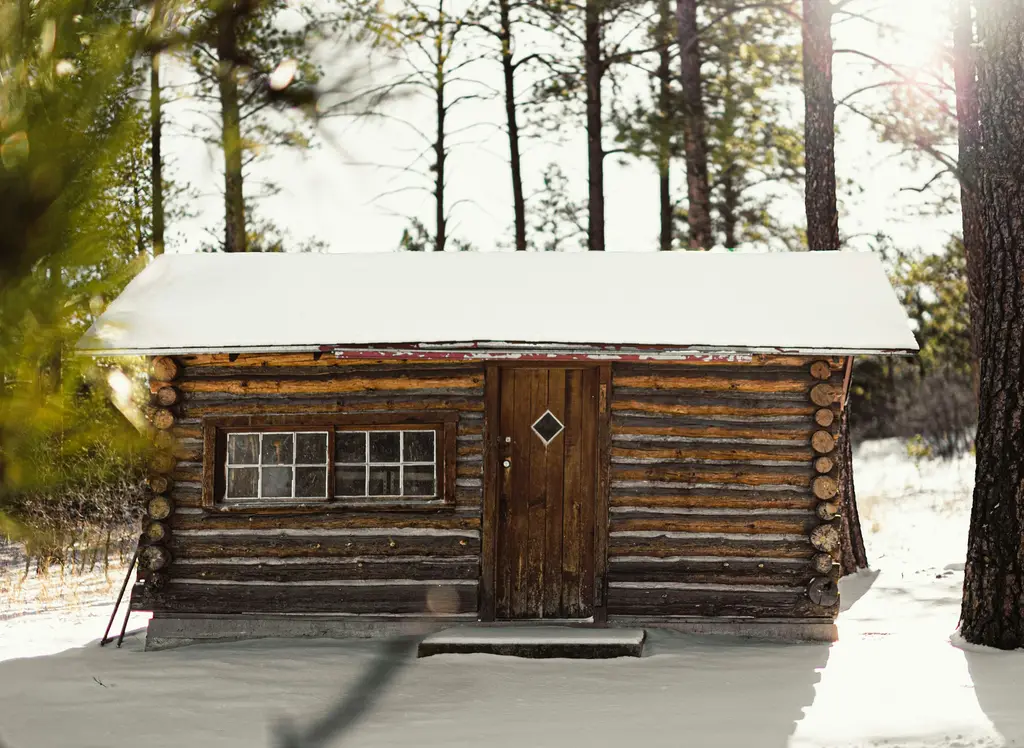
Winter (December - February)
Winters are generally mild with occasional cold snaps and ice storms, requiring adequate heating and protection for water lines. Solar efficiency decreases, necessitating careful energy budgeting.
Free tools
Your free outdoor toolkit

Everything Map
Listings, trails, spots, clubs and public land on a single full-screen map. Switch layers on and off, then tap any point for the details.
Open Everything MapProperty Lines Map
Property lines from your state’s own public parcel records on satellite imagery. Search an address and tap a parcel for its parcel ID, size, and owner where the state publishes it.
Open Property Lines MapLand Report
Check land before you buy it: the FEMA flood zone, how the soil rates for a septic system, elevation, solar, and the parcel owner, from government data.
Open Land ReportCabin Builder
Sketch a cabin in 3D, then export a blueprint and bill of materials. Nothing to install.
Open Cabin BuilderSolar Planner
Size panels, batteries, and an inverter from your appliance loads, with real sun data for your land.
Open Solar PlannerHomestead Planner
Trace your parcel on satellite imagery and place a cabin, well, septic, solar array, and garden.
Open Homestead Planner

Keep exploring