Off-Grid Communities · Texas
Off-Grid Communities in Texas
Explore 7 communities across Texas. Maps, hours, contact info, photos, and verified operator profiles, all in one place.
Hill Country, Big Bend desert, Gulf coast, and the Piney Woods.
Updated
About Texas
7 on the map
Tap a pin to open its profile.
Quick facts
- Communities listed
- 7
- Best season
- October through May
At a glance
Off-Grid Communities in Texas at a glance
All 7 communities listed in Texas. Ratings and review counts are from Google. A blank cell means we do not have that detail yet.
| Community | City | Rating |
|---|---|---|
| Bronco Ranch | ||
| Gunsight Ranch | Fort Hancock | 5.01 Google review |
| Sierra Prieto | ||
| Silver Spur Ranch | ||
| Southwest Sunsites | Van Horn | 5.01 Google review |
| Sunset Ranches | Dell City | 4.04 Google reviews |
| Terlingua Ranch | Terlingua | 4.5568 Google reviews |
All listings
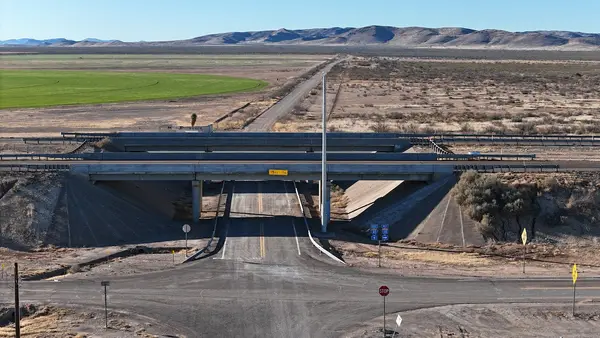
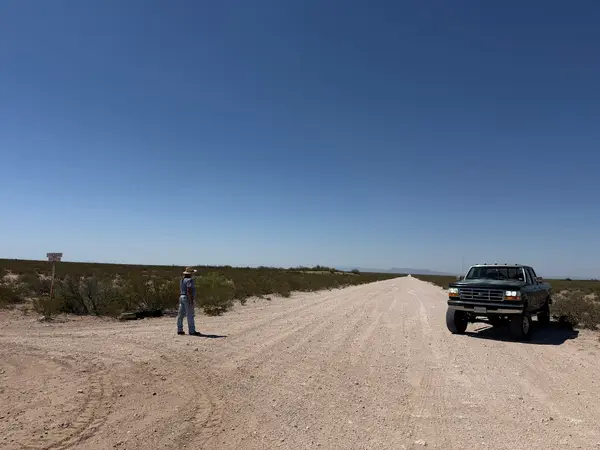
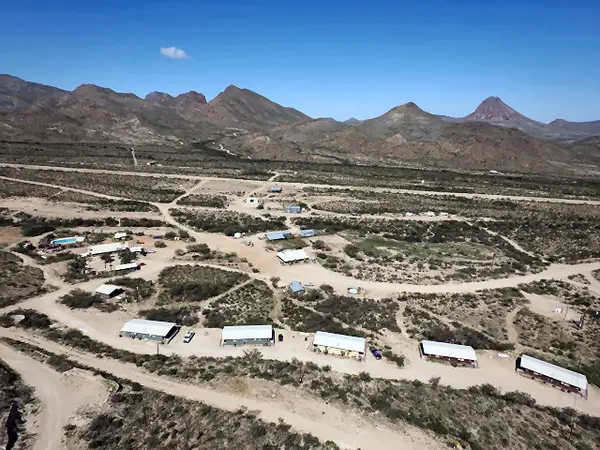
7 communities
across Texas
Watch it live
Live webcams in Texas
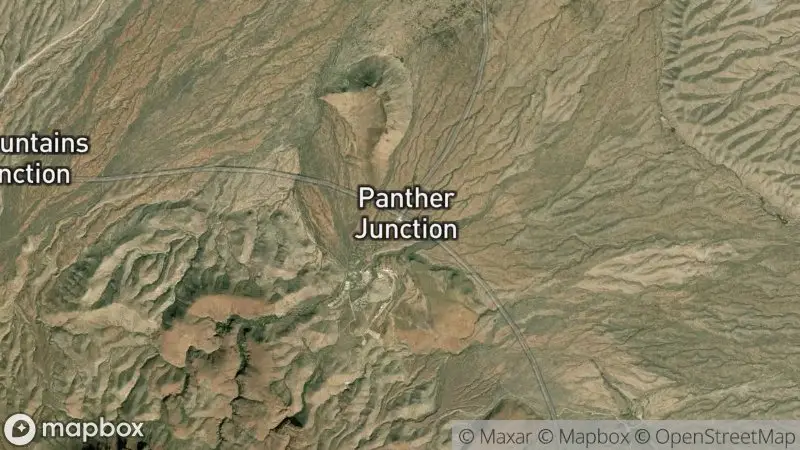 Location
Big Bend Panther Junction Webcam
via National Park Service
Watch livePlan your trip
Plan your trip to Texas
Rainwater Harvesting
Rainwater harvesting is legal and generally encouraged in Texas, with few restrictions. The state offers tax exemptions for equipment and encourages its use through various programs. However, for potable use, proper filtration and treatment are essential.
Composting Toilets & Wastewater
The legality and regulation of composting toilets vary by county and local health authority. While not universally prohibited, they often require specific permits or approval as an 'alternative on-site sewage facility' by the Texas Commission on Environmental Quality (TCEQ) or local authorities. Conventional septic systems are strictly regulated and require permitting.
Building Codes & Minimum Dwelling Size
Building codes in Texas are adopted at the county or municipal level. Many rural, unincorporated areas, particularly in West Texas counties like Hudspeth, Terrell, and Presidio, have minimal or no county-level building codes, allowing for greater owner-builder freedom. However, specific requirements for septic or electrical systems may still apply. There is no statewide minimum dwelling size, but local ordinances may impose them.
Well Permits & Water Rights
Drilling a water well in Texas typically requires a permit from the relevant Groundwater Conservation District (GCD). Surface water rights are generally held by the state, and permits are required for diversion. Understanding the specific GCD regulations in your area is critical for securing a reliable water source.
Solar Exposure & Net Metering
Texas boasts excellent solar exposure across most of the state, making it highly favorable for off-grid solar power systems. Net-metering policies for grid-tied systems vary significantly by utility provider, as there is no statewide mandate. Research local utility policies if considering a hybrid grid-tied/off-grid setup.
Property Taxes & Exemptions
Texas has relatively high property taxes, as there is no state income tax. However, agricultural exemptions are widely available for land actively used for farming or ranching, which can significantly reduce the taxable value. Homestead exemptions are also available for primary residences.
Confirm current requirements with the state agency before your trip. Rules and fees change every season.
On-Site Wastewater Facility Permit
Any on-site wastewater treatment system, including septic systems and most alternative systems like composting toilets used for full-time residence, typically requires a permit from the local permitting authority, often the county or a designated agent of the Texas Commission on Environmental Quality (TCEQ). Inspections ensure compliance with public health standards.
Water Well Drilling Permit
To drill a new water well, a permit is generally required from the local Groundwater Conservation District (GCD) that manages groundwater resources in the area. Regulations vary significantly between GCDs regarding well spacing, production limits, and reporting requirements. Always confirm with the specific GCD for your land.
Texas Water Development BoardRoad Access and Easements
While not a permit, securing legal and practical access to rural land is a critical requirement. Many undeveloped parcels rely on private easements or unmaintained roads. Verify recorded easements, road maintenance agreements, and the legal right to access your property before purchase to avoid future disputes.
Wildland-Urban Interface Fire Regulations
For properties in or near wildland areas, particularly in regions prone to wildfires, local fire departments or county authorities may have regulations regarding defensible space, burn bans, and outdoor burning permits. Adhering to these is crucial for safety and compliance.
- 01
Research Regional & County Regulations
Begin by identifying specific regions or counties in Texas that align with your off-grid goals, focusing on areas known for lenient building codes, favorable water rights, and suitable climate. Verify current regulations with county clerk offices, health departments, and Groundwater Conservation Districts.
- 02
Define Water & Power Strategies
Determine your primary water source (well, rainwater harvesting, or both) and research the permitting and infrastructure required. Simultaneously, plan your energy system, likely solar, and calculate necessary panel arrays, battery storage, and backup generation based on your anticipated consumption.
- 03
Evaluate Land Characteristics
Thoroughly assess potential land parcels for factors like soil quality for gardening, topography for building and water flow, existing infrastructure (roads, fences), and natural resources. Consider access to public roads or established easements, as rural access can be challenging.
- 04
Connect with Local Off-Grid Communities & Resources
Seek out existing off-grid communities, homesteading groups, or experienced individuals in your target regions. Their insights on local challenges, resources, and best practices can be invaluable, offering practical advice that official channels might not provide.
- 05
Secure Financing & Initiate Permitting
Once a suitable property is identified, secure financing, understanding that raw land loans differ from conventional mortgages. Simultaneously, begin the necessary permitting processes for wells, septic systems, and any required building permits, adhering strictly to local and state guidelines.
01How many off-grid communities are in Texas?
02Is it legal to live off-grid in Texas?
03What are the primary challenges for off-grid water in Texas?
04Are there specific counties in Texas known for lenient building codes?
05How do property taxes affect off-grid living in Texas?
06Can I use solar power for my off-grid homestead in Texas?
07What are the rules for composting toilets and wastewater in Texas?
When to go
Season by season in Texas
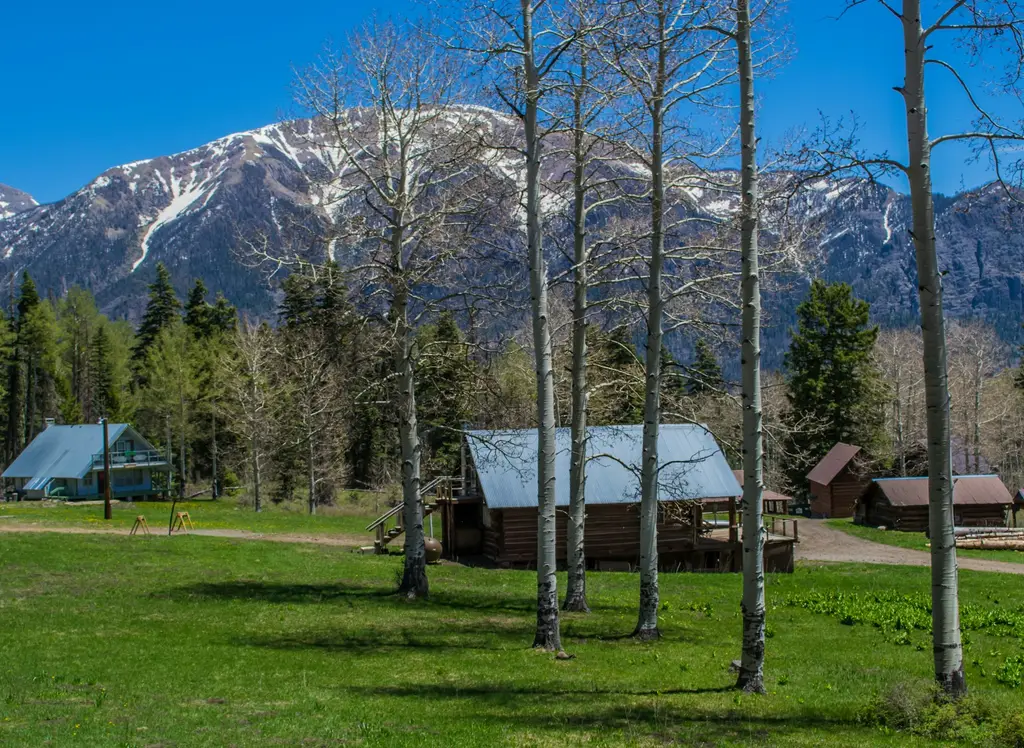
Spring (March - May)
Spring brings a burst of growth and often significant rainfall, ideal for planting gardens and replenishing water stores. Temperatures are generally mild, making it an excellent time for outdoor construction and land preparation before the summer heat.
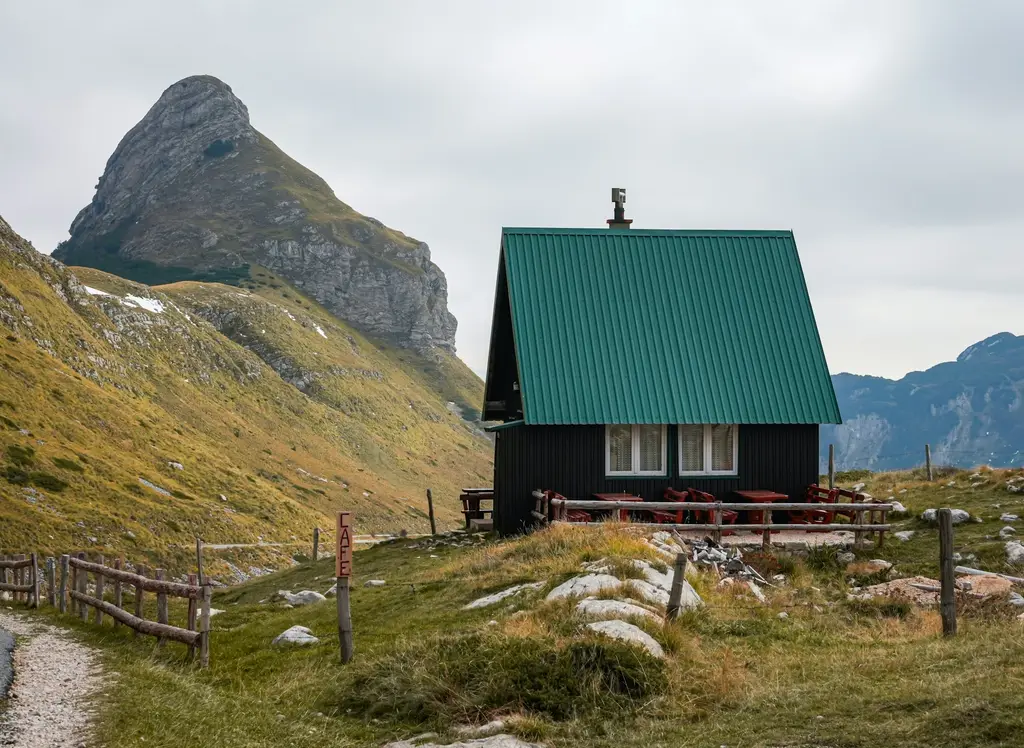
Summer (June - August)
Summers are long and intensely hot across much of Texas, demanding robust water conservation strategies and efficient cooling systems. Solar energy production peaks during these months, providing ample power for off-grid operations, but heat stress on plants and infrastructure is a key concern.
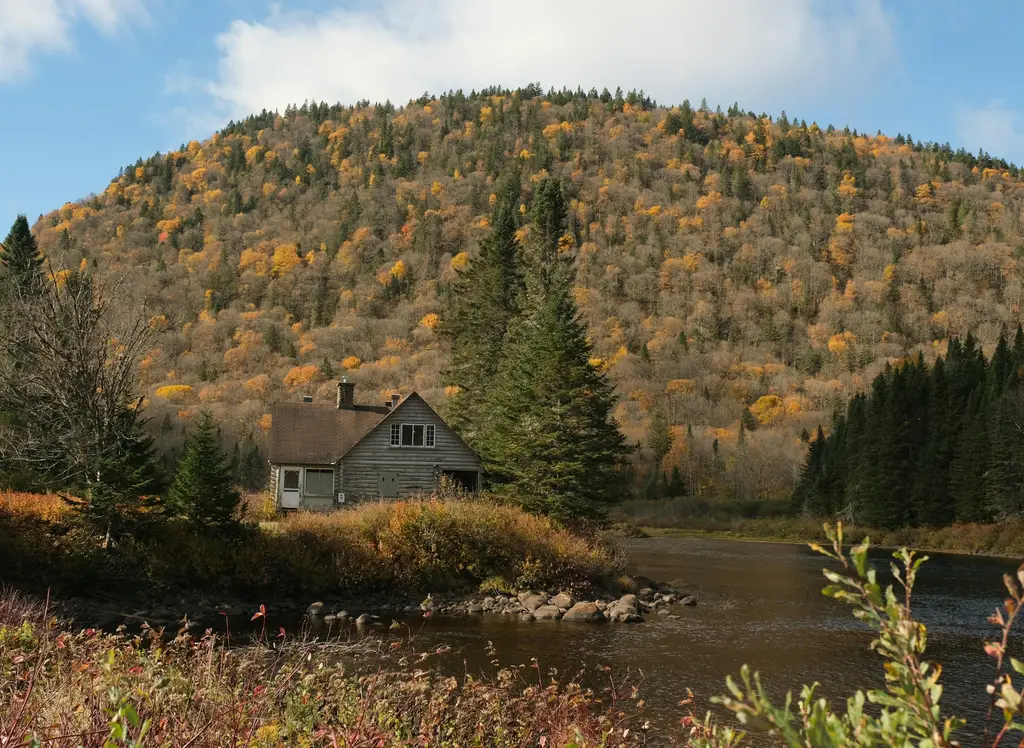
Fall (September - November)
Fall offers a welcome respite with cooler temperatures and often drier conditions, suitable for harvesting, maintenance, and preparing for winter. It's a prime season for outdoor projects and enjoying the mild weather before colder fronts arrive.
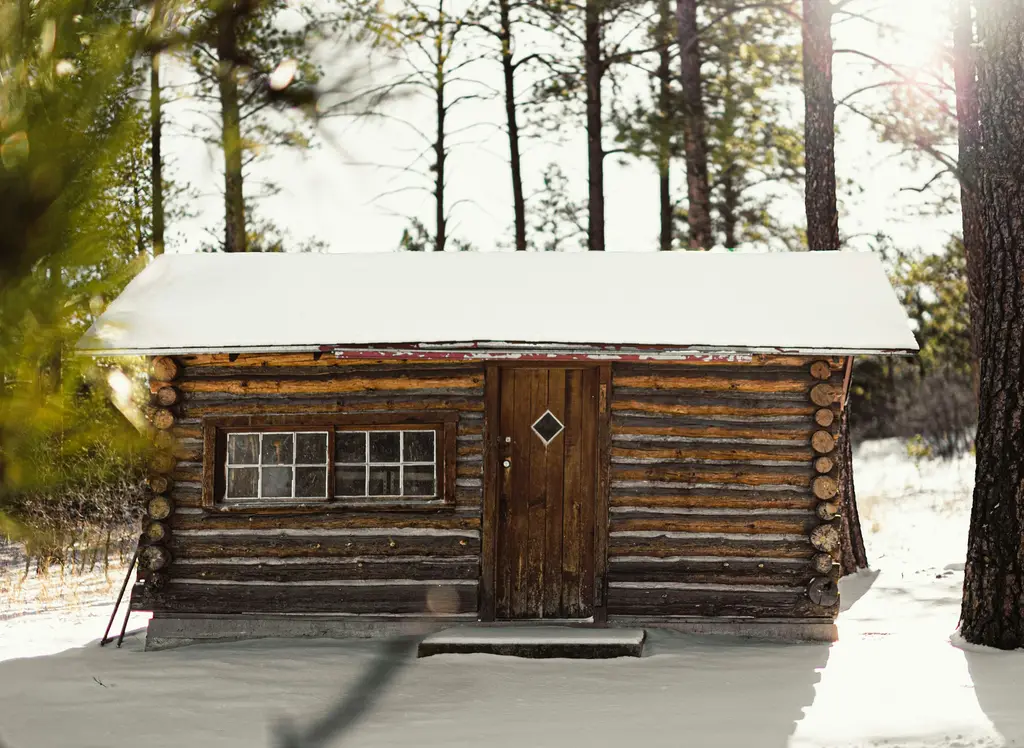
Winter (December - February)
Winters vary from mild in the south to colder with potential freezes in the north. While solar production is reduced, the lower temperatures can ease water demands and offer opportunities for passive heating strategies. Prepare for occasional ice storms or hard freezes, especially inland.
Free tools
Your free outdoor toolkit

Everything Map
Listings, trails, spots, clubs and public land on a single full-screen map. Switch layers on and off, then tap any point for the details.
Open Everything MapProperty Lines Map
Property lines from your state’s own public parcel records on satellite imagery. Search an address and tap a parcel for its parcel ID, size, and owner where the state publishes it.
Open Property Lines MapLand Report
Check land before you buy it: the FEMA flood zone, how the soil rates for a septic system, elevation, solar, and the parcel owner, from government data.
Open Land ReportCabin Builder
Sketch a cabin in 3D, then export a blueprint and bill of materials. Nothing to install.
Open Cabin BuilderSolar Planner
Size panels, batteries, and an inverter from your appliance loads, with real sun data for your land.
Open Solar PlannerHomestead Planner
Trace your parcel on satellite imagery and place a cabin, well, septic, solar array, and garden.
Open Homestead Planner