Off-Grid Communities · Tennessee
Off-Grid Communities in Tennessee
Explore 3 communities across Tennessee. Maps, hours, contact info, photos, and verified operator profiles, all in one place.
Smokies, Cumberland Plateau, and the Mississippi River bluffs.
Updated
About Tennessee
3 on the map
Tap a pin to open its profile.
Quick facts
- Communities listed
- 3
- Best season
- April through November
At a glance
Off-Grid Communities in Tennessee at a glance
All 3 communities listed in Tennessee. Ratings and review counts are from Google. A blank cell means we do not have that detail yet.
| Community | City | Rating |
|---|---|---|
| Moonshadow | Whitwell | 4.812 Google reviews |
| The Farm | Summertown | 4.780 Google reviews |
| Wilder Mountain |
All listings
3 communities
across Tennessee
Plan your trip
Plan your trip to Tennessee
Rainwater Harvesting
Rainwater harvesting is legal in Tennessee. For non-potable uses, there are generally no state-level permits required. For potable use, systems must meet specific health department standards and may require permits, particularly if connected to a dwelling's plumbing.
Wastewater and Composting Toilets
Septic (subsurface sewage disposal) systems are permitted through TDEC's Division of Water Resources, applications are filed with TDEC (a few delegated counties run their own program), and must adhere to state regulations. Composting toilets are generally allowed, but local health departments often require specific approval and proper management plans to ensure sanitary waste disposal, sometimes requiring a separate greywater system permit.
Building Codes and Minimum Dwelling Size
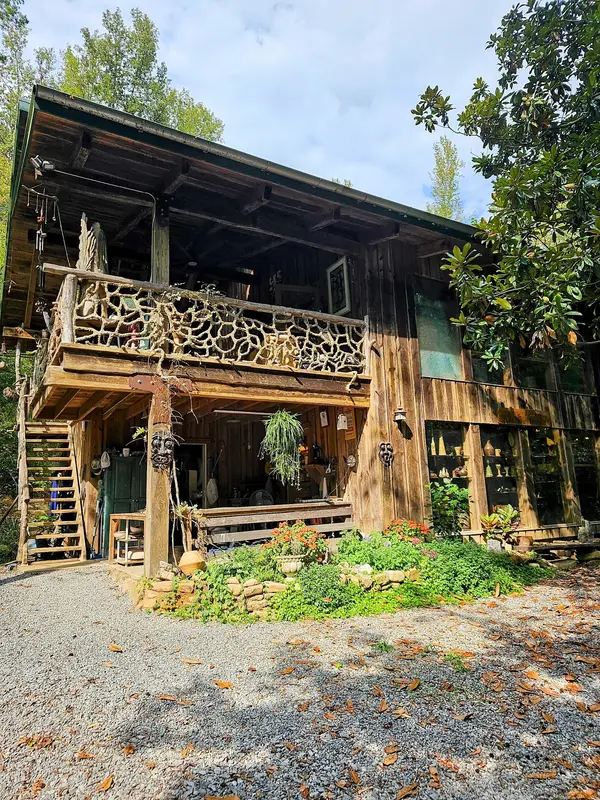
Tennessee has adopted state-wide building codes, but enforcement and specific requirements can vary significantly by county and municipality. Some rural counties, particularly on the Cumberland Plateau (e.g., Fentress, Morgan, Bledsoe), are known for more lenient zoning or owner-builder friendly environments, allowing for smaller dwellings or alternative construction methods. Always verify local regulations.
Well Permits and Water Rights
Drilling a private well in Tennessee typically requires a permit from the Tennessee Department of Environment and Conservation (TDEC) and adherence to well construction standards. Water rights are generally tied to riparian principles for surface water and reasonable use for groundwater, meaning landowners can use water on their property for beneficial purposes.
Solar Exposure and Net Metering
Tennessee offers good solar exposure, particularly in the western and central regions. The state has net metering policies, but the specifics can vary depending on your utility provider. Prospective off-gridders should research the policies of their local electric cooperative or municipal utility to understand interconnection and credit for excess power.
Property Taxes
Property taxes in Tennessee are generally moderate compared to many other states. They are assessed at the county level, with rates varying. Agricultural land may qualify for lower assessment rates, which can be beneficial for homesteaders, but specific eligibility requirements apply.
Confirm current requirements with the state agency before your trip. Rules and fees change every season.
Well Construction Permit
Any new water well must be drilled by a TDEC-licensed well driller, and a Notice of Intent must be filed with the Tennessee Department of Environment and Conservation (TDEC) before drilling begins; the driller then files a well construction report. These steps ensure compliance with state drilling and casing standards for groundwater protection. This ensures the well is safely and properly installed.
Onsite Wastewater Permit (Septic System)
For properties not connected to a municipal sewer system, an onsite wastewater disposal system (e.g., septic system) permit is required, issued by TDEC's Division of Water Resources, with applications filed through TDEC (a few delegated counties administer their own program). A soil test must be performed to determine suitability for a septic field, and the system must be installed according to approved plans.
Building Permits
Most new construction, including off-grid homes and substantial outbuildings, requires a building permit from the local county or municipal building department. Requirements and enforcement can vary, so it is crucial to verify local codes and obtain all necessary permits before beginning construction to avoid penalties.
- 01
Research County Regulations
Begin by thoroughly researching the specific zoning ordinances, building codes, and health department regulations of counties that interest you. Pay close attention to rules regarding minimum dwelling size, wastewater, and rainwater harvesting, as these vary significantly and impact off-grid feasibility.
- 02
Assess Land Features and Access
Evaluate potential properties for essential off-grid resources: reliable water sources (springs, wells, ponds), solar exposure for energy, suitable terrain for building and agriculture, and year-round road access. Verify if roads are privately maintained or county-maintained.
- 03
Secure Financing and Due Diligence
Explore financing options for rural land, which can differ from conventional mortgages. Once a property is identified, conduct thorough due diligence, including a professional survey, soil testing for septic suitability, and a title search, to ensure there are no unforeseen issues or encumbrances.
- 04
Connect with Local Off-Grid Communities and Experts
Engage with existing off-grid communities or homesteading groups in Tennessee. Their experience and local knowledge can be invaluable for understanding regional nuances, finding local resources, and navigating the practicalities of establishing an off-grid life.
- 05
Develop a Phased Development Plan
Create a realistic, phased plan for developing your off-grid property. This includes initial infrastructure (water, temporary shelter), energy systems, waste management, and agricultural development, allowing for adaptation as you learn more about your land and local environment.
01How many off-grid communities are in Tennessee?
02Is off-grid living legal in Tennessee?
03What are the common water sources for off-grid homes in Tennessee?
04Are composting toilets allowed in Tennessee?
05How do property taxes affect off-grid land in Tennessee?
06What is the growing season like for homesteading in Tennessee?
07Are there specific regions in Tennessee more amenable to off-grid communities?
When to go
Season by season in Tennessee
Spring (March - May)
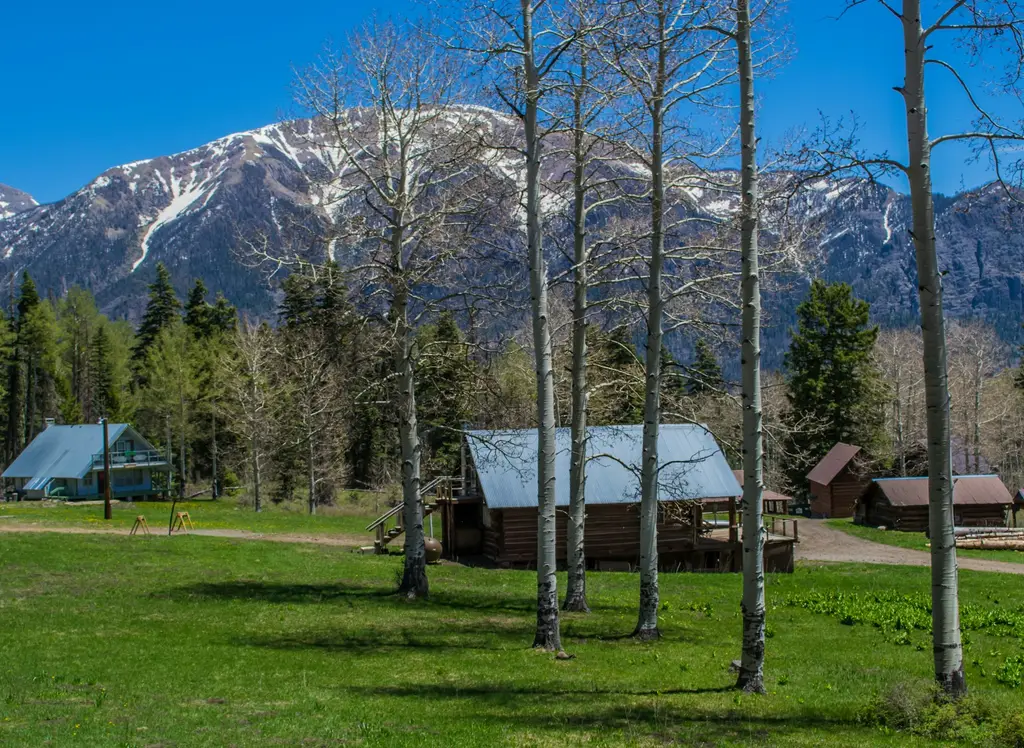
Spring brings abundant rainfall and warming temperatures, ideal for starting gardens, planting fruit trees, and managing water collection systems. It's a prime season for land preparation and establishing new homestead infrastructure.
Summer (June - August)
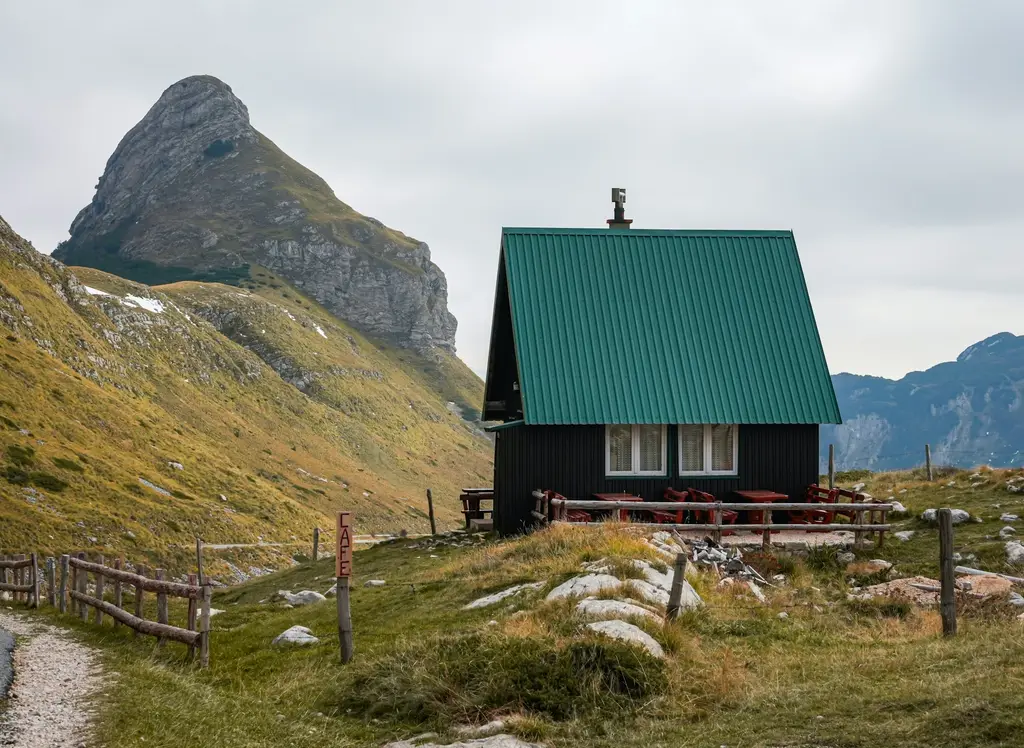
Summers are hot and humid, with long daylight hours supporting rapid plant growth and maximizing solar energy generation. Efficient water management, shade structures, and ventilation become crucial for comfort and crop health.
Fall (September - November)
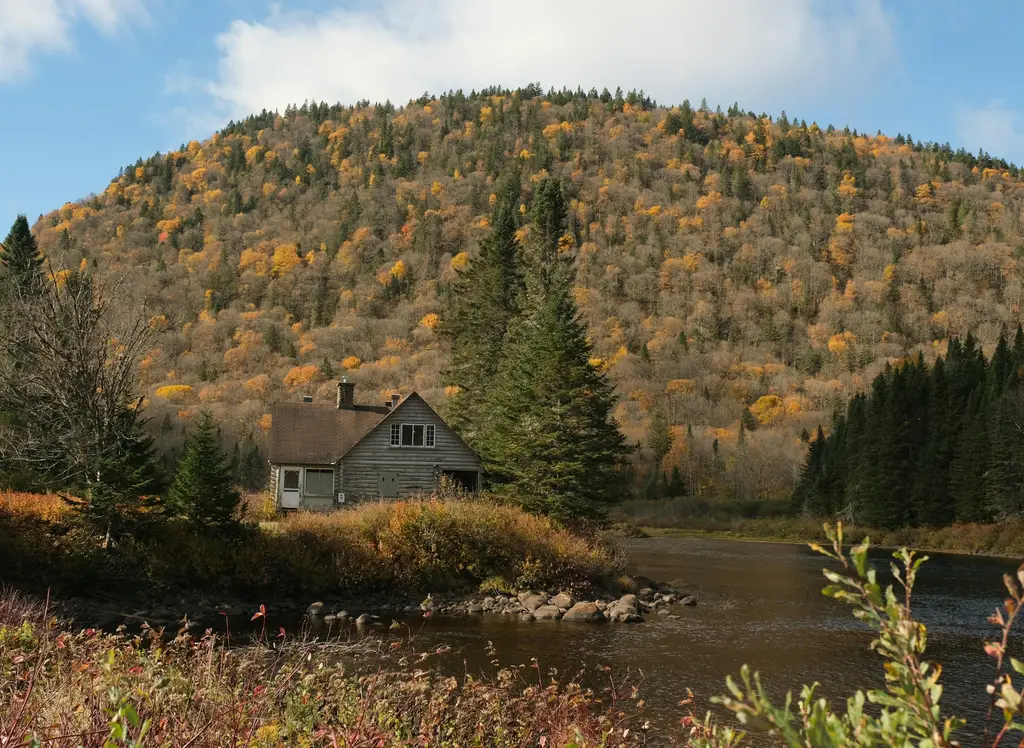
Fall offers pleasant weather for harvesting, food preservation, and preparing for winter. It's an excellent time for timber work, maintenance on buildings, and enjoying the vibrant foliage before colder temperatures set in.
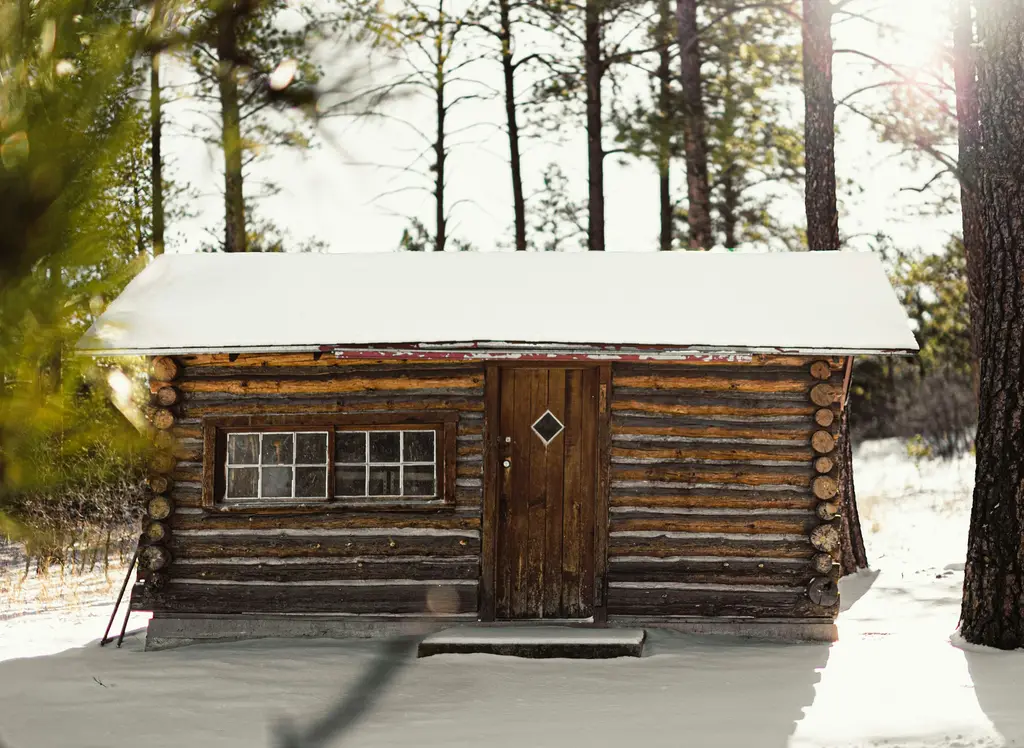
Winter (December - February)
Winters are generally mild with occasional cold snaps and light snowfall, requiring careful planning for heating, livestock shelter, and off-grid power resilience. It's a period for reflection, repairs, and indoor homesteading projects.
Free tools
Your free outdoor toolkit

Everything Map
Listings, trails, spots, clubs and public land on a single full-screen map. Switch layers on and off, then tap any point for the details.
Open Everything MapProperty Lines Map
Property lines from your state’s own public parcel records on satellite imagery. Search an address and tap a parcel for its parcel ID, size, and owner where the state publishes it.
Open Property Lines MapLand Report
Check land before you buy it: the FEMA flood zone, how the soil rates for a septic system, elevation, solar, and the parcel owner, from government data.
Open Land ReportCabin Builder
Sketch a cabin in 3D, then export a blueprint and bill of materials. Nothing to install.
Open Cabin BuilderSolar Planner
Size panels, batteries, and an inverter from your appliance loads, with real sun data for your land.
Open Solar PlannerHomestead Planner
Trace your parcel on satellite imagery and place a cabin, well, septic, solar array, and garden.
Open Homestead Planner
Keep exploring