Off-Grid Communities · Florida
Off-Grid Communities in Florida
Explore 9 communities across Florida. Maps, hours, contact info, photos, and verified operator profiles, all in one place.
Saltwater flats, springs, and the largest subtropical wilderness in the US.
Updated
About Florida
9 on the map
Tap a pin to open its profile.
Quick facts
- Communities listed
- 9
- Best season
- October through May
At a glance
Off-Grid Communities in Florida at a glance
All 9 communities listed in Florida. Ratings and review counts are from Google. A blank cell means we do not have that detail yet.
| Community | City | Rating |
|---|---|---|
| Holopaw Hub | ||
| River Ranch | River Ranch | |
| Cape Atlantic Estates | Edgewater | |
| Charlotte Ranchettes | Punta Gorda | |
| Golden Gate Estates | ||
| Indian Lake Estates | Indian Lake Estates | |
| Interlachen Lakes Estates | Interlachen | 3.812 Google reviews |
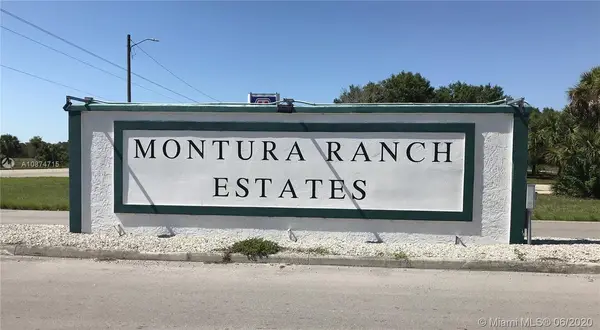
| Montura Ranch Estates | Clewiston | 4.4170 Google reviews |
| Palm Beach Heights |
All listings
9 communities
across Florida
Plan your trip
Plan your trip to Florida
Rainwater Harvesting
Rainwater harvesting is legal statewide and encouraged. While typically not regulated for potable use for single-family homes, systems for drinking water may require specific filtration and storage standards. Verify local health department requirements for potable systems.
Wastewater and Composting Toilets
All wastewater systems, including septic and alternative systems, must be permitted through the state Onsite Sewage Program, which moved from the Florida Department of Health to the Florida Department of Environmental Protection in July 2021 (county health department offices still process applications in most counties). Composting toilets are generally legal as an alternative or supplement, but often require approval by the local health department and may still necessitate a greywater disposal system or a permitted septic system for other household waste.
Building Codes and Minimum Dwelling Sizes
The Florida Building Code applies statewide. Owner-builder exemptions exist, allowing individuals to construct their primary residence. Minimum dwelling sizes vary significantly by county and municipality; some rural counties may have more flexible zoning or permit alternative structures, but this requires direct verification with county planning and zoning departments.
Well Permits and Water Rights
Well construction requires a permit from the relevant Florida Water Management District (e.g., Suwannee River WMD, St. Johns River WMD). Water rights are generally tied to land ownership, but usage may be regulated, especially for large-scale agricultural operations. Ensure your land has sufficient groundwater access for your needs.
Solar Exposure and Net Metering
Florida boasts excellent solar exposure year-round. While net metering policies have been subject to legislative changes, homeowners can typically connect grid-tied solar systems and receive credit for excess energy. Off-grid solar systems are not subject to these net metering rules but require proper sizing and battery storage.
Property Taxes and Homestead Exemption
Florida property taxes are generally moderate compared to other states. A significant homestead exemption is available for primary residences, reducing the taxable value of your property. This can be a substantial benefit for off-grid landowners establishing a permanent residence.
Confirm current requirements with the state agency before your trip. Rules and fees change every season.
Building Permits
Any new construction, significant alteration, or addition to a structure on your property will require a building permit from your county or municipal building department. This ensures compliance with the Florida Building Code, which includes standards for hurricane resistance.
Onsite Sewage Treatment and Disposal System (OSTDS) Permit
If your property is not connected to a municipal sewer system, you must obtain an OSTDS permit for the installation or repair of a septic tank and drainfield system; the Onsite Sewage Program moved from the Department of Health to the Florida Department of Environmental Protection in July 2021, though county health department offices still handle permitting in most counties. This is crucial for proper wastewater management.
Well Construction Permit
To drill a new well or make significant modifications to an existing one for potable or irrigation water, a permit is required from the applicable Florida Water Management District. These districts regulate groundwater withdrawals to protect the state's water resources.
Environmental Resource Permits (ERP)
Projects involving dredging, filling, or other alterations to wetlands, surface waters, or stormwater management systems may require an Environmental Resource Permit from the Florida Department of Environmental Protection (FDEP) or one of the Water Management Districts. This is common for land development in Florida's diverse landscapes.
- 01
Research Local Zoning and Regulations
Begin by thoroughly researching the specific zoning ordinances, building codes, and land-use regulations of counties and municipalities you are considering. Pay close attention to minimum dwelling sizes, septic system requirements, and any restrictions on alternative structures.
- 02
Assess Land Features and Infrastructure
Evaluate potential properties for essential off-grid features like water sources (groundwater, surface water, rainwater potential), soil quality for gardening, solar exposure, and existing road access. Consider wetland delineations and flood zones.
- 03
Visit and Evaluate Properties
Spend time on potential properties during different seasons if possible. Observe drainage, insect activity, vegetation, and access points. Engage with neighbors or local community members to gain insights into the area's specific challenges and advantages.
- 04
Secure Financing and Due Diligence
Arrange financing suitable for raw land or off-grid properties. Conduct thorough due diligence, including a property survey, title search, and environmental assessments, to identify any easements, liens, or environmental concerns.
- 05
Engage Local Professionals
Work with a local real estate agent experienced in rural land, a real estate attorney, a surveyor, and potentially a well driller or septic installer. Their local expertise will be invaluable in navigating permits and regulations.
01How many off-grid communities are in Florida?
02What are the primary climate challenges for off-grid living in Florida?
03How do I ensure a reliable water supply for my off-grid homestead?
04Are composting toilets and alternative septic systems legal in Florida?
05What should I know about building codes for off-grid structures like tiny homes?
06What kind of pests should I expect and how can I manage them off-grid?
07Is it difficult to get internet and cell service in rural off-grid areas of Florida?
When to go
Season by season in Florida
Spring (March - May)
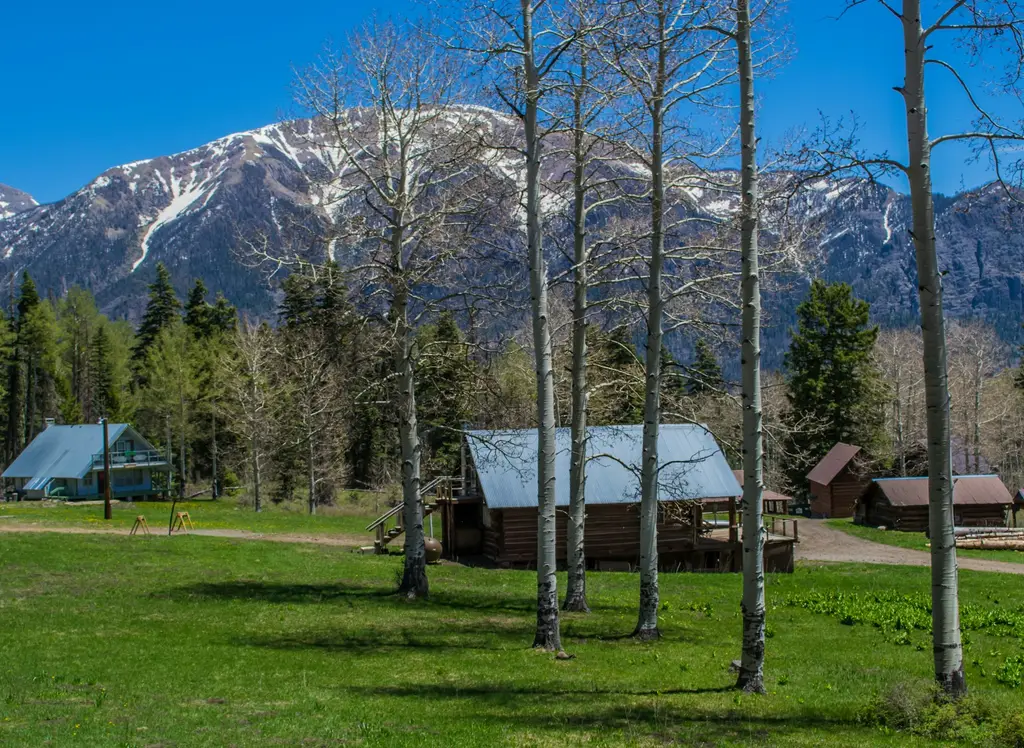
Spring is a prime growing season, with pleasant temperatures ideal for planting and outdoor construction projects before the intense summer heat and humidity arrive. Water collection from sporadic rains is typically moderate.
Summer (June - August)
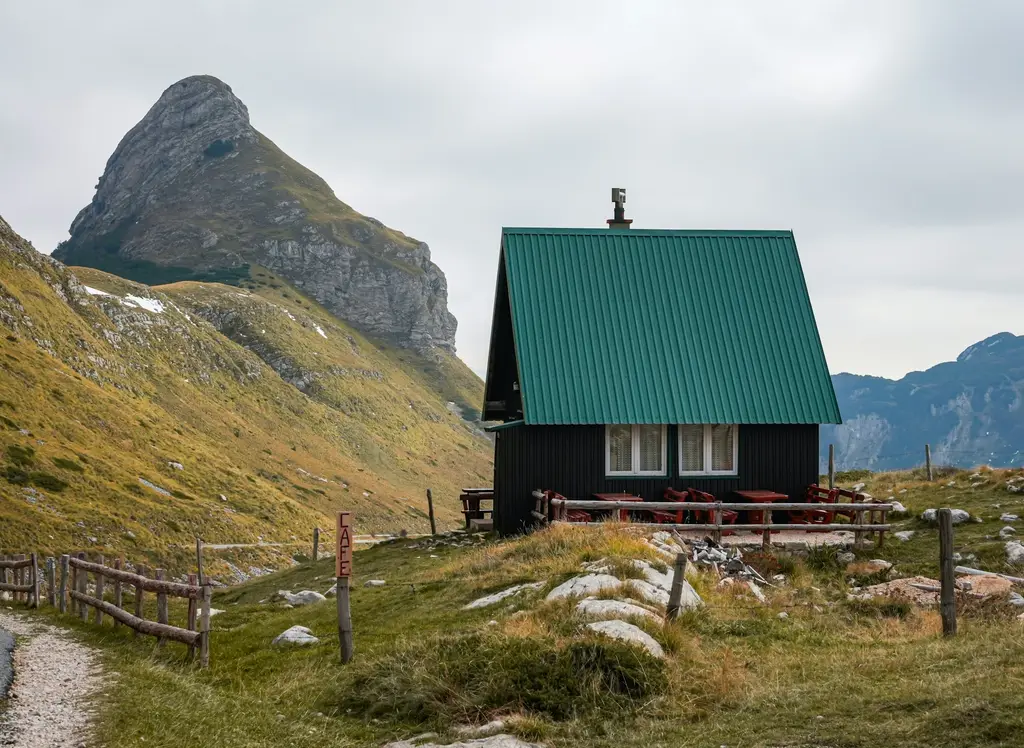
Summer brings intense heat, high humidity, and daily afternoon thunderstorms, making water collection efficient but demanding robust cooling strategies. Hurricane season officially begins, requiring constant vigilance and preparedness.
Fall (September - November)
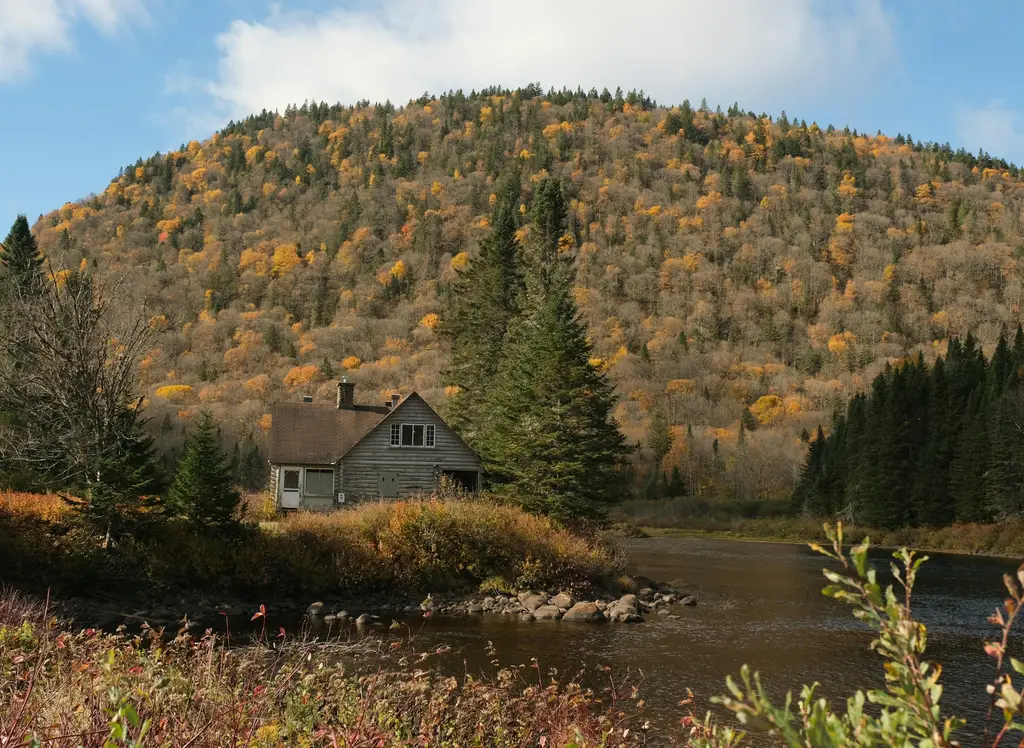
Fall offers a gradual relief from summer's heat and humidity, with conditions remaining favorable for a second growing season. Hurricane activity can still be high, requiring continued readiness and monitoring of weather patterns.
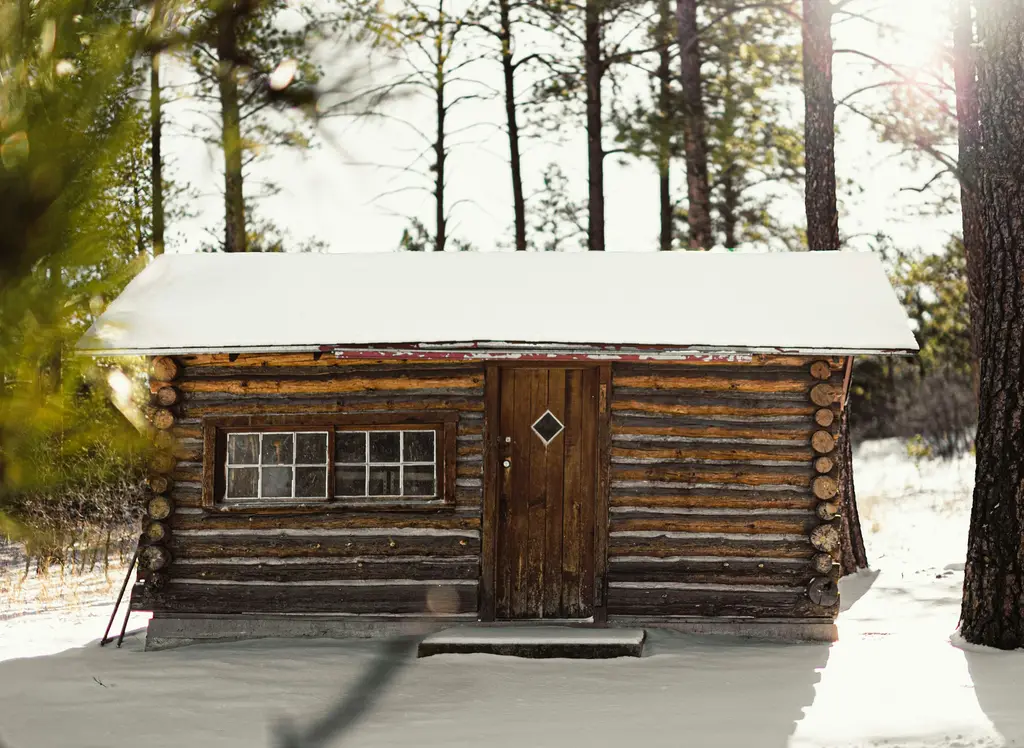
Winter (December - February)
Florida winters are mild and dry, providing ideal conditions for outdoor work, maintenance, and enjoying the natural environment. Pest pressure is reduced, and minimal heating is typically required, making it an excellent season for off-grid living.
Free tools
Your free outdoor toolkit

Everything Map
Listings, trails, spots, clubs and public land on a single full-screen map. Switch layers on and off, then tap any point for the details.
Open Everything MapProperty Lines Map
Property lines from your state’s own public parcel records on satellite imagery. Search an address and tap a parcel for its parcel ID, size, and owner where the state publishes it.
Open Property Lines MapLand Report
Check land before you buy it: the FEMA flood zone, how the soil rates for a septic system, elevation, solar, and the parcel owner, from government data.
Open Land ReportCabin Builder
Sketch a cabin in 3D, then export a blueprint and bill of materials. Nothing to install.
Open Cabin BuilderSolar Planner
Size panels, batteries, and an inverter from your appliance loads, with real sun data for your land.
Open Solar PlannerHomestead Planner
Trace your parcel on satellite imagery and place a cabin, well, septic, solar array, and garden.
Open Homestead Planner