Off-Grid Communities · Montana
Off-Grid Communities in Montana
Explore 3 communities across Montana. Maps, hours, contact info, photos, and verified operator profiles, all in one place.
Big Sky country. Glacier, the Bob, and the Yellowstone headwaters.
Updated
About Montana
3 on the map
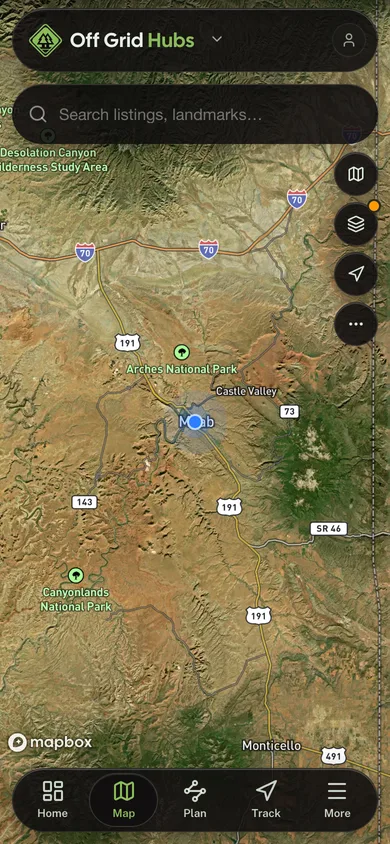
Tap a pin to open its profile.
Quick facts
- Communities listed
- 3
- Best season
- June through October
At a glance
Off-Grid Communities in Montana at a glance
All 3 communities listed in Montana.
| Community |
|---|
| Polebridge |
| West Kootenai |
| Yaak |
All listings
3 communities
across Montana
Watch it live
Live webcams in Montana
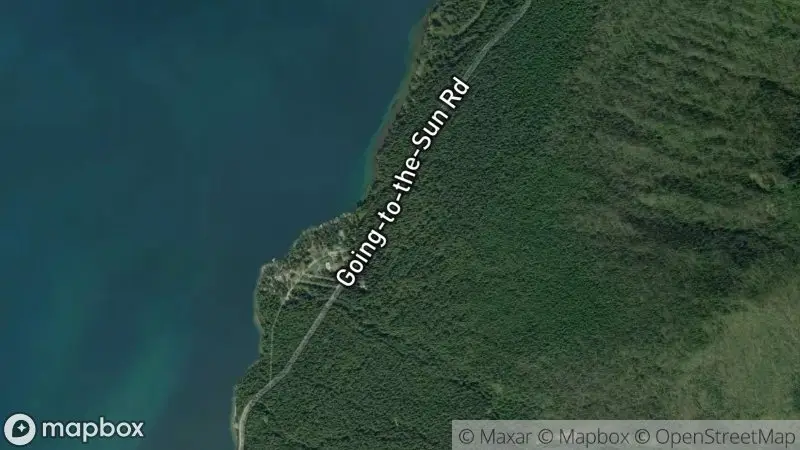 Location
Glacier National Park Webcams
via National Park Service
Watch livePlan your trip
Plan your trip to Montana
Rainwater Harvesting
Rainwater harvesting is generally permitted for beneficial uses in Montana, including domestic use, without a water right permit, provided the system does not interfere with existing water rights. Montana sets no statewide cap on how much rainwater you may store, though unusually large systems should be cleared with the DNRC. Always verify specific county or local regulations.
Wastewater and Composting Toilets
Montana requires a permit for all new or modified wastewater treatment systems, including septic and gray water. Composting toilets are generally allowed, but must be approved by the Department of Environmental Quality (DEQ) or the local county health department, often requiring an associated gray water system for sinks and showers.
Building Codes and Owner-Builder Provisions
Montana has adopted the International Residential Code (IRC) statewide. However, some rural counties, such as Lincoln or Sanders County, may have more relaxed enforcement or offer owner-builder exemptions, which can reduce the burden of strict code adherence. Minimum dwelling sizes vary by jurisdiction; always check with the local county planning department.
Well Permits and Water Rights
Water rights in Montana operate under the 'first in time, first in right' doctrine. Most household wells are 'exempt' wells (35 gallons per minute or less, up to 10 acre-feet per year), and need no permit; you file the exempt-well notice(s) with the Department of Natural Resources and Conservation (DNRC) to perfect a water right instead. Surface water diversions also require permits, and understanding existing water rights on a property is crucial for any off-grid water strategy.
Road Access and Maintenance
Many off-grid properties are accessed via unmaintained county roads or private easements. Property owners are often responsible for their own snow removal and road upkeep, especially in winter. Verify road conditions, ownership, and maintenance agreements before purchasing remote land.
Confirm current requirements with the state agency before your trip. Rules and fees change every season.
Wastewater Treatment System Permit
Anyone installing a new or modifying an existing wastewater treatment system, including septic tanks, drainfields, and gray water systems, must obtain a permit from the Montana Department of Environmental Quality (DEQ) or the local county health department. This ensures proper design and installation to protect public health and the environment.
Water Well Permit
A domestic well pumping 35 gallons per minute or less (up to 10 acre-feet per year) is an 'exempt' well under Montana law and requires no permit from the Department of Natural Resources and Conservation (DNRC). Instead of a permit, you file the exempt-well notices with the DNRC to obtain a certificate of water right. Only wells above that threshold require a full permit.
Building Permits
Most new construction, major renovations, or additions, even for off-grid structures, require building permits issued by the local county or state building codes bureau. Requirements vary, but permits ensure structures meet safety and structural standards. Check with your specific county planning department for their adopted codes and enforcement policies.
- 01
Research County-Specific Regulations
Before anything else, thoroughly investigate the zoning, building codes, and health department regulations of specific counties that interest you. Some rural counties are more lenient regarding off-grid structures and systems than others.
- 02
Assess Water Availability and Rights
Water is life for off-grid living. Identify potential water sources (well, cistern, surface water) and understand the intricacies of Montana's 'first in time, first in right' water rights system. Consulting with a water rights expert is highly recommended.
- 03
Evaluate Land Access and Infrastructure Needs
Consider year-round access to the property, especially in winter. Evaluate the costs and feasibility of establishing roads, power (solar/wind), and communication infrastructure based on the remoteness and terrain.
- 04
Connect with Local Off-Grid Networks
Seek out existing off-grid landowners or communities in your target areas. Their experiences and local knowledge can provide invaluable insights into climate challenges, resource management, and social integration.
- 05
Secure Financing and Due Diligence
Financing raw land can be different from traditional mortgages. Once a property is identified, conduct thorough due diligence, including land surveys, percolation tests for septic, and title searches, to avoid future complications.
01How many off-grid communities are in Montana?
02Is off-grid living legal in Montana?
03What are the challenges of water access for off-grid properties?
04How harsh are Montana winters for off-grid homesteads?
05Are there specific counties more lenient on building codes for off-grid homes?
06What is the typical growing season for food in Montana?
07What should I know about property taxes for off-grid land?
When to go
Season by season in Montana
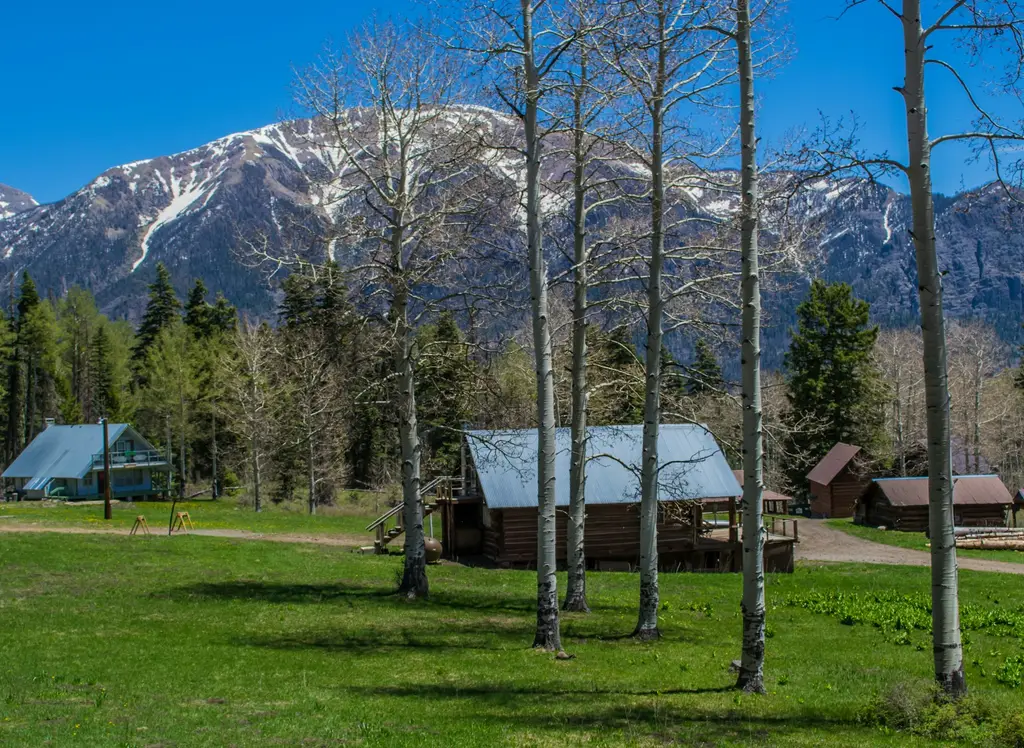
Spring Thaw (April-May)
Spring brings mud, melting snow, and the first opportunities for planting. Off-gridders focus on preparing gardens, managing increased water flow, and ensuring roads remain passable as the ground softens.
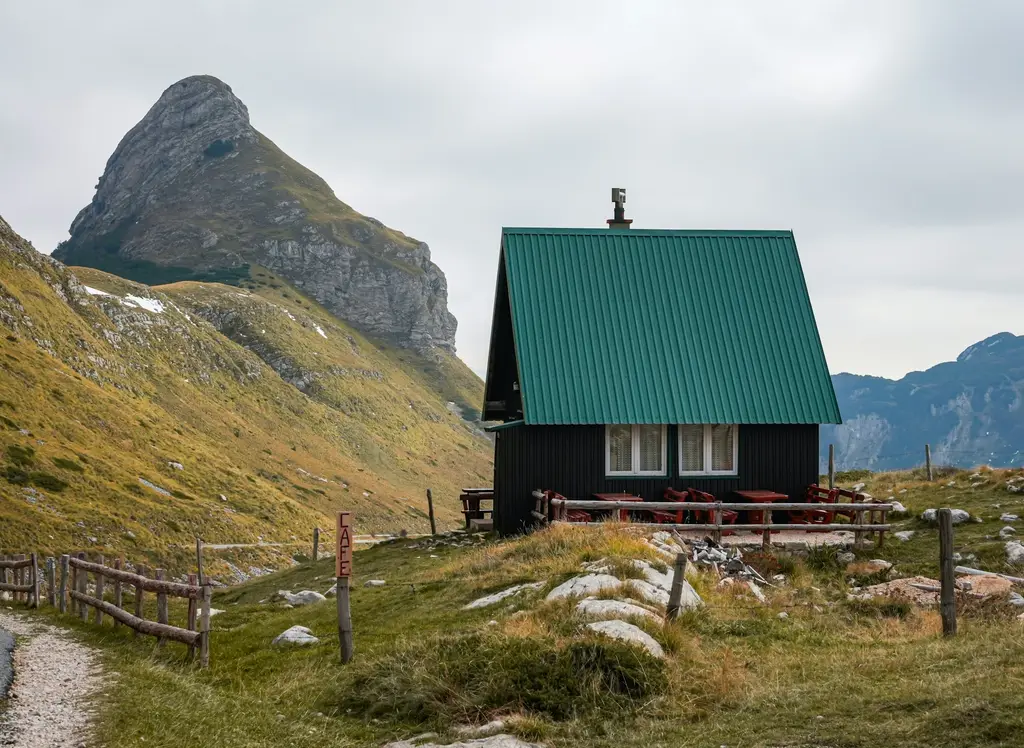
Summer Growth (June-August)
Long daylight hours are ideal for solar energy generation and intensive gardening. This season is crucial for harvesting, preserving food, and completing outdoor construction projects before the autumn chill.
Autumn Preparation (September-November)
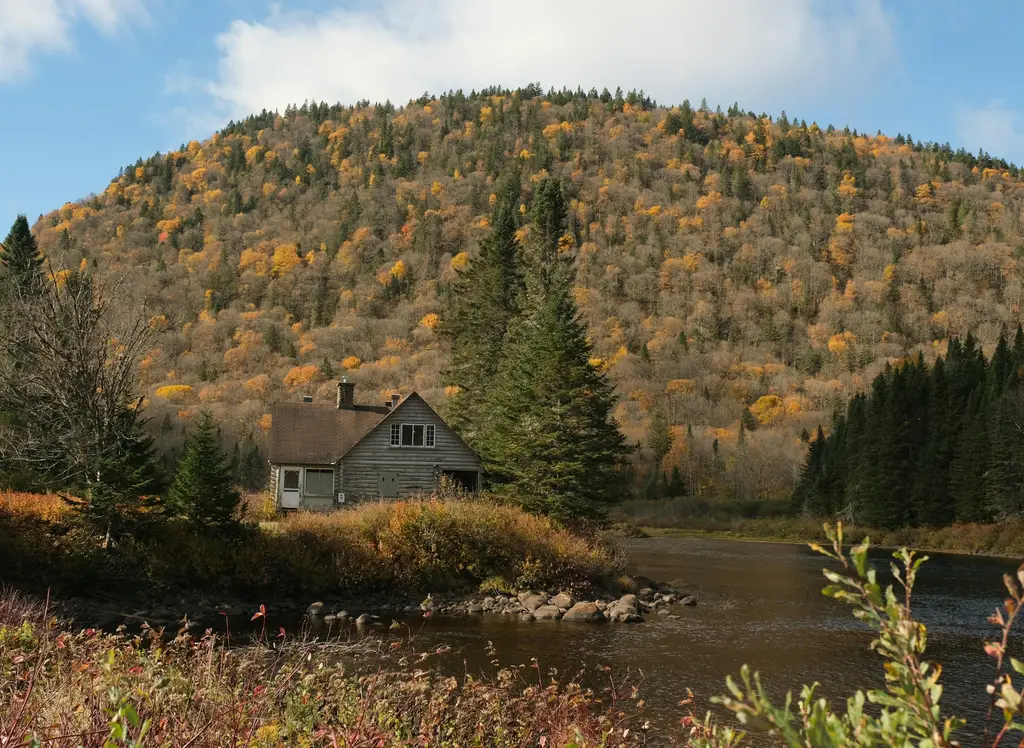
Fall is a period of intense winter preparation, including firewood gathering, livestock sheltering, and ensuring all systems are ready for cold temperatures. The landscape offers a final burst of beauty before winter's onset.
Winter Isolation (December-March)
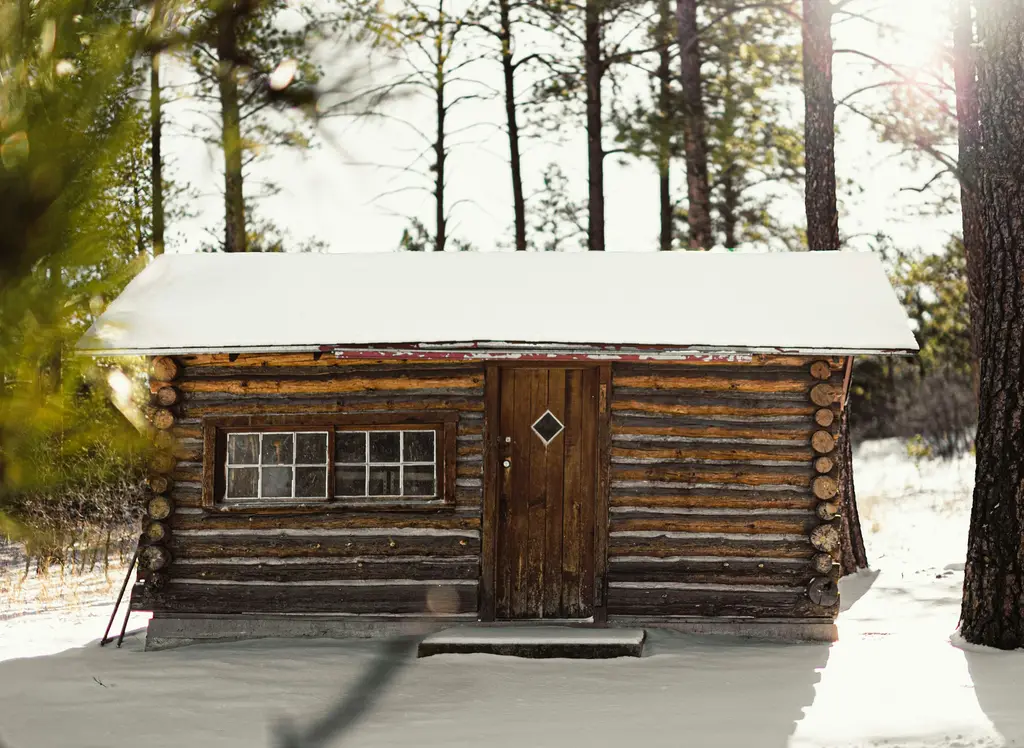
Winters are long and severe, with heavy snow and sub-zero temperatures. Off-gridders must be self-reliant, with sufficient stores of food, fuel, and backup power to endure extended periods of isolation and challenging conditions.
Free tools
Your free outdoor toolkit

Everything Map
Listings, trails, spots, clubs and public land on a single full-screen map. Switch layers on and off, then tap any point for the details.
Open Everything MapProperty Lines Map
Property lines from your state’s own public parcel records on satellite imagery. Search an address and tap a parcel for its parcel ID, size, and owner where the state publishes it.
Open Property Lines MapLand Report
Check land before you buy it: the FEMA flood zone, how the soil rates for a septic system, elevation, solar, and the parcel owner, from government data.
Open Land ReportCabin Builder
Sketch a cabin in 3D, then export a blueprint and bill of materials. Nothing to install.
Open Cabin BuilderSolar Planner
Size panels, batteries, and an inverter from your appliance loads, with real sun data for your land.
Open Solar PlannerHomestead Planner
Trace your parcel on satellite imagery and place a cabin, well, septic, solar array, and garden.
Open Homestead Planner