Off-Grid Communities · Wyoming
Off-Grid Communities in Wyoming
Explore 1 community across Wyoming. Maps, hours, contact info, photos, and verified operator profiles, all in one place.
Yellowstone, the Tetons, and the most geyser-rich landscape on Earth.
Updated
About Wyoming
1 on the map
Tap a pin to open its profile.
Quick facts
- Communities listed
- 1
- Best season
- June through September
All listings
1 community
across Wyoming
Plan your trip
Plan your trip to Wyoming
Water Rights and Well Permits
Wyoming operates under the doctrine of prior appropriation for water rights. Drilling a water well requires a permit from the Wyoming State Engineer's Office. Surface water diversions also require permits, and understanding existing water rights on a property is crucial.
Wastewater and Septic Systems
Proper wastewater disposal is mandated by the Wyoming Department of Environmental Quality (DEQ) and local county health departments. Composting toilets may be permitted in certain situations, but typically require a greywater system permit and adherence to specific health regulations. Conventional septic systems require permits and professional installation.
Building Codes and Zoning
Wyoming has a statewide building code, but enforcement varies significantly by county, particularly in rural areas. Some counties may have minimal or no zoning regulations for agricultural land, potentially allowing for owner-built structures or alternative dwellings, but always verify with the specific county planning department.
Road Access and Maintenance
Many off-grid properties are accessed via unpaved county roads or private easements. County maintenance of these roads can be infrequent, especially in winter, requiring property owners to be prepared for self-maintenance or seasonal access challenges.
Solar Exposure and Energy
Wyoming boasts excellent solar insolation, making it highly suitable for solar power generation. While there is no statewide net-metering mandate for smaller systems, some utilities may offer arrangements. Wind energy potential is also significant in many regions.
Confirm current requirements with the state agency before your trip. Rules and fees change every season.
Water Well Permit
Any new water well for domestic, stock, or irrigation use requires a permit from the Wyoming State Engineer's Office. This ensures proper well construction and adherence to the state's water rights system. Verify specific requirements and application processes with the agency.
Wastewater/Septic System Permit
Installation of any new septic system or alternative wastewater treatment system, including greywater systems for composting toilets, must be permitted through the Wyoming Department of Environmental Quality (DEQ) or the local county health department. Regulations ensure public health and environmental protection.
Building Permits
Most new construction, including off-grid homes and accessory structures, requires a building permit from the local county or municipal planning and zoning department. Requirements vary by jurisdiction, with some rural areas having more lenient or fewer regulations than others. Always consult the specific county where the land is located.
- 01
Define Your Off-Grid Vision
Clearly outline your needs for water, energy, waste management, and desired level of self-sufficiency. Consider climate resilience and the specific challenges Wyoming presents for your lifestyle.
- 02
Research County Regulations and Zoning
Investigate the specific zoning ordinances, building codes, and permit requirements for your target counties. Some rural counties may have fewer restrictions, but this varies widely and impacts what you can legally build and how you can live.
- 03
Assess Water Resources and Rights
Determine the feasibility of obtaining water for your property, whether through a well, rainwater harvesting, or other means. Understand Wyoming's prior appropriation water rights system and research any existing water rights associated with the land.
- 04
Evaluate Access, Climate, and Local Resources
Thoroughly assess road access, especially during winter, and understand the local climate's impact on growing seasons, energy needs, and travel. Identify nearby towns for essential supplies and services.
- 05
Conduct Thorough Due Diligence and Purchase
Before buying, perform a comprehensive land survey, title search, and environmental assessment. Consult with a local real estate attorney experienced in rural land transactions and water rights to ensure a smooth acquisition.
01How many off-grid communities are in Wyoming?
02Is it legal to live off-grid in Wyoming?
03What are the biggest challenges for off-grid living in Wyoming?
04How are water rights handled for off-grid properties?
05Are there specific building codes for off-grid homes or alternative structures?
06What is the typical growing season in Wyoming?
07What are the property tax implications for off-grid land?
When to go
Season by season in Wyoming
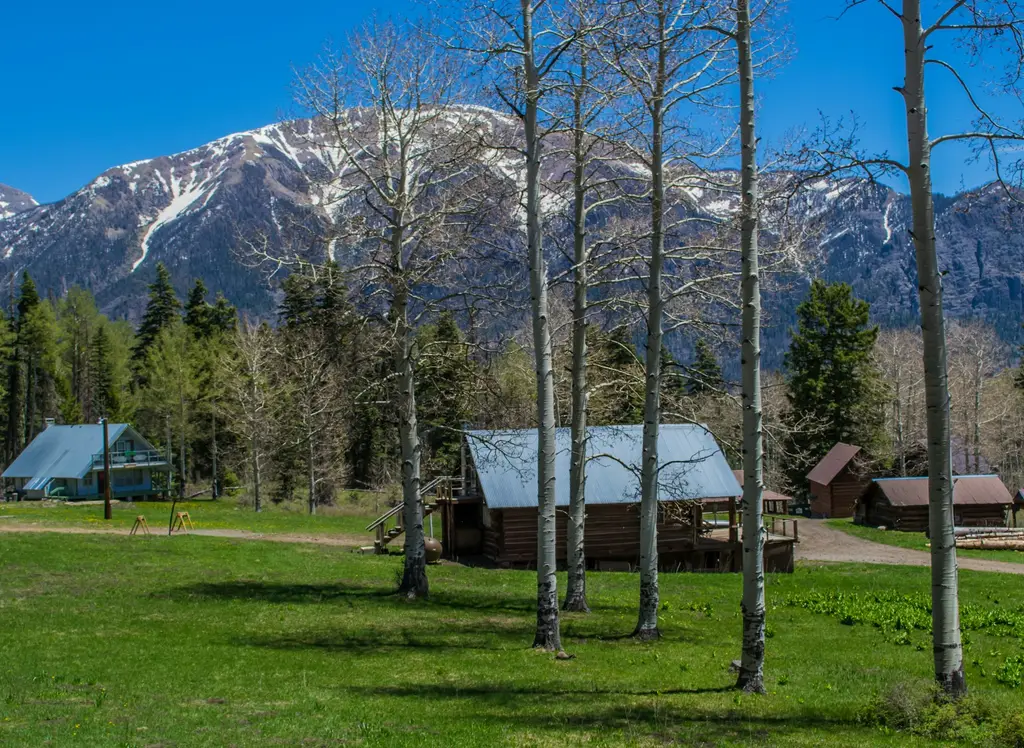
Spring (April - June)
Thawing conditions bring mud and renewed water flow, signaling the start of garden preparation and the re-establishment of accessible routes after winter snows. Livestock management, including calving, is a primary focus.
Summer (July - August)
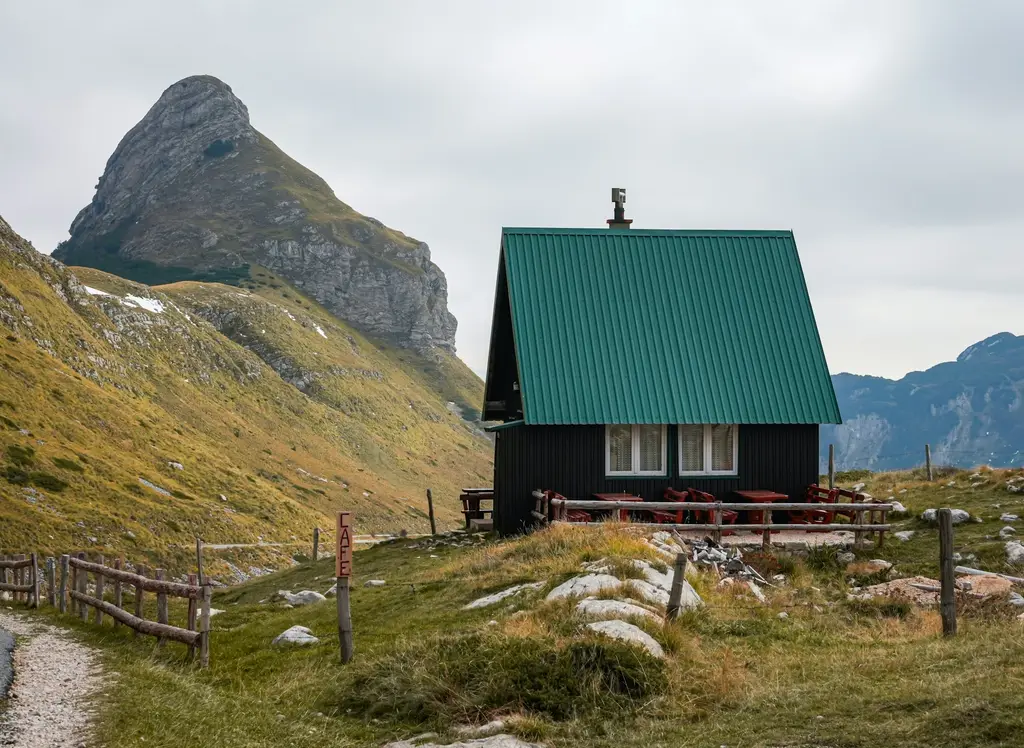
The brief but intense growing season requires diligent water management, with long daylight hours ideal for solar energy generation. Wildfire risk increases, necessitating fire mitigation strategies around homesteads.
Fall (September - November)
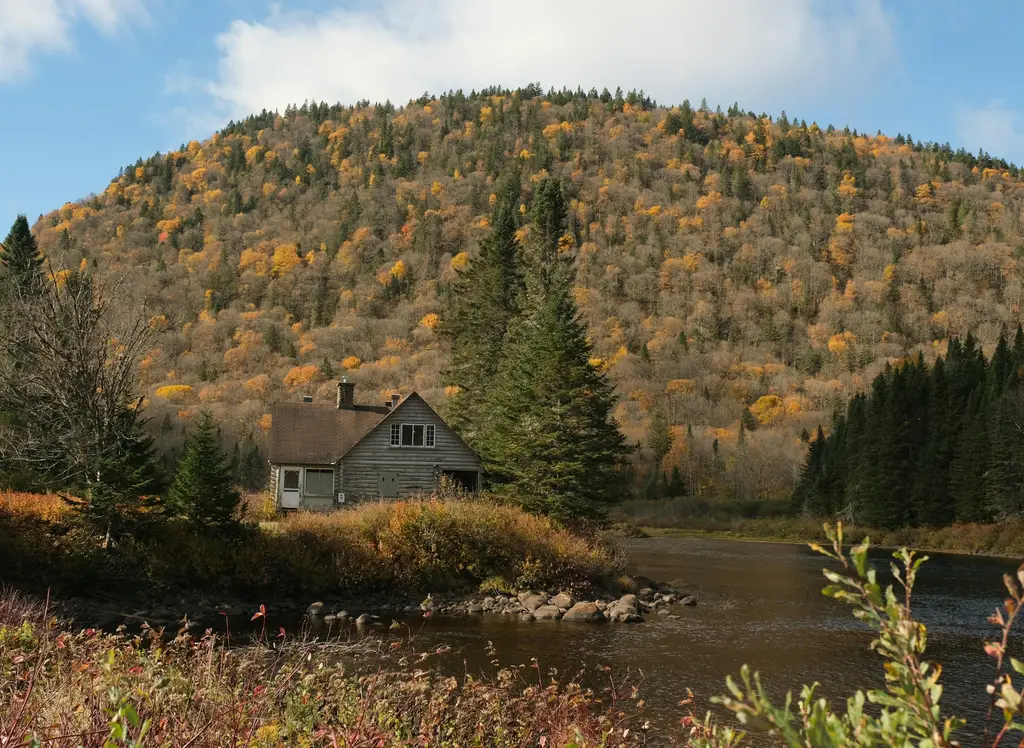
Harvesting, preserving food, and preparing structures for winter are critical activities. Cooler temperatures are ideal for outdoor work, and wood collection for heating becomes a priority before the first heavy snows.
Winter (December - March)
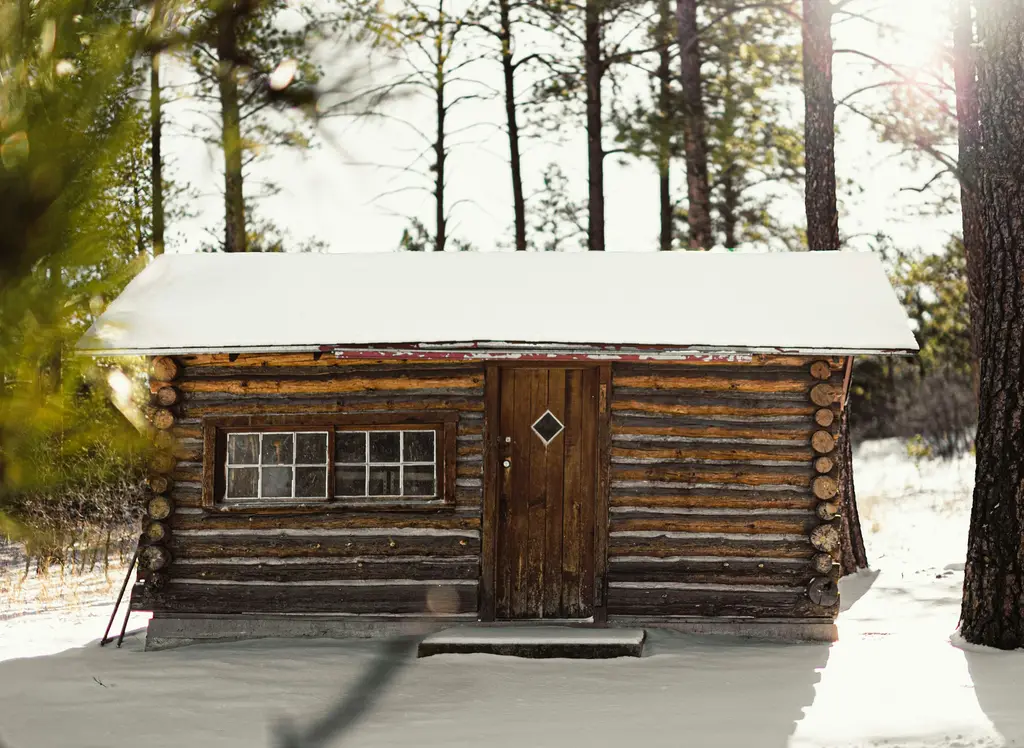
Deep snow, extreme cold, and high winds characterize winter, leading to potential isolation and demanding robust energy and water systems. Self-sufficiency and preparedness for extended periods without external services are essential.
Free tools
Your free outdoor toolkit

Everything Map
Listings, trails, spots, clubs and public land on a single full-screen map. Switch layers on and off, then tap any point for the details.
Open Everything MapProperty Lines Map
Property lines from your state’s own public parcel records on satellite imagery. Search an address and tap a parcel for its parcel ID, size, and owner where the state publishes it.
Open Property Lines MapLand Report
Check land before you buy it: the FEMA flood zone, how the soil rates for a septic system, elevation, solar, and the parcel owner, from government data.
Open Land ReportCabin Builder
Sketch a cabin in 3D, then export a blueprint and bill of materials. Nothing to install.
Open Cabin BuilderSolar Planner
Size panels, batteries, and an inverter from your appliance loads, with real sun data for your land.
Open Solar PlannerHomestead Planner
Trace your parcel on satellite imagery and place a cabin, well, septic, solar array, and garden.
Open Homestead Planner
Keep exploring