Off-Grid Communities · Colorado
Off-Grid Communities in Colorado
Explore 12 communities across Colorado. Maps, hours, contact info, photos, and verified operator profiles, all in one place.
58 fourteeners, alpine basins, and the headwaters of seven major rivers.
Updated
About Colorado
12 on the map
Tap a pin to open its profile.
Quick facts
- Communities listed
- 12
- Best season
- June through September
At a glance
Off-Grid Communities in Colorado at a glance
The first 10 of 12 communities listed in Colorado, in the same order as the full list below. Ratings and review counts are from Google. A blank cell means we do not have that detail yet.
| Community | City | Rating |
|---|---|---|
| Baca Grande | Crestone | 3.116 Google reviews |
| Bull Domingo Ranch | ||
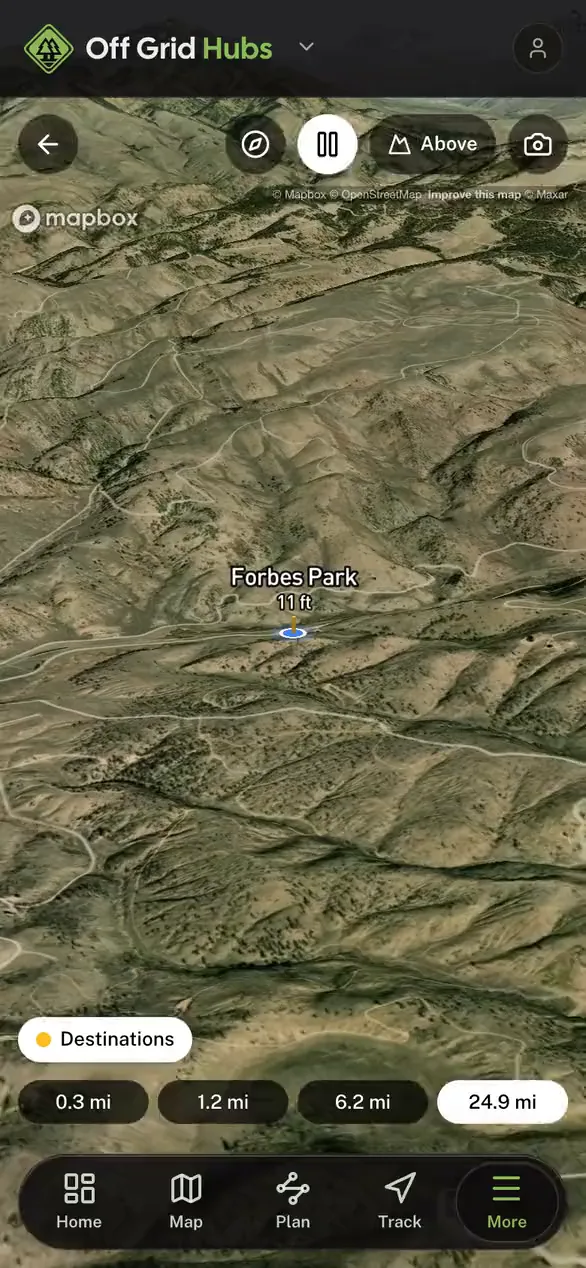
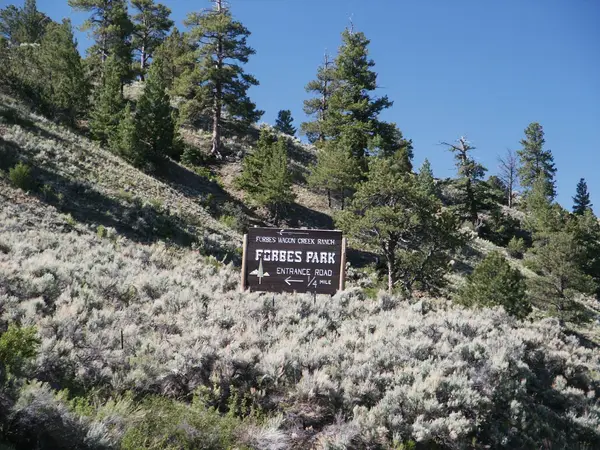
| Forbes Park | Fort Garland | 4.643 Google reviews |
| Forbes Wagon Creek Ranch | Fort Garland | 5.06 Google reviews |
| Indian Mountain | Jefferson | 4.820 Google reviews |
| Ranch of the Rockies | Hartsel | 4.551 Google reviews |
| Rio Grande Ranches | ||
| San Luis Valley Ranches | Fort Garland | 1.01 Google review |
| Sangre de Cristo Ranches | ||
| Santa Fe Trail Ranch | Trinidad | 4.84 Google reviews |
All listings
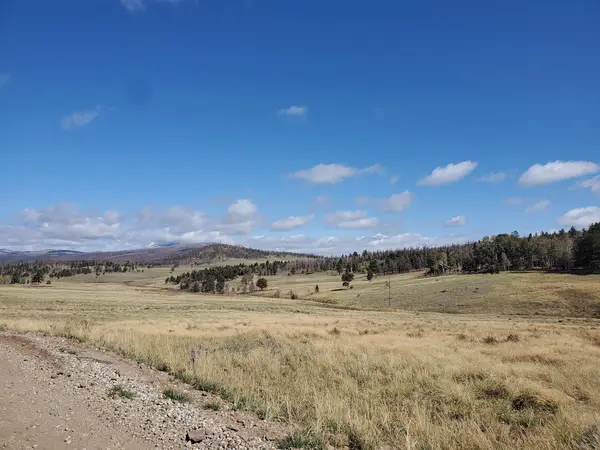
12 communities
across Colorado
Plan your trip
Plan your trip to Colorado
Rainwater Harvesting
Colorado law permits residential rainwater harvesting, allowing up to two rain barrels with a combined capacity of 110 gallons. The collected water can only be used on the property where it was collected and for outdoor non-potable purposes, such as irrigation. It is generally not permitted for indoor use without specific treatment and permits, and the collection must not interfere with existing water rights.
Wastewater Systems & Composting Toilets
All wastewater systems, including septic tanks and alternative systems, are regulated by county health departments and the Colorado Department of Public Health and Environment. Composting toilets may be permitted but typically require specific approval, often on a case-by-case basis, and must meet strict health and safety standards to ensure proper waste decomposition and pathogen control. Graywater systems also have specific regulations.
Building Codes & Minimum Dwelling Size
Colorado generally adheres to the International Building Code (IBC), but enforcement and specific requirements vary significantly by county. Some rural counties, such as Costilla, Huerfano, and Las Animas, are known for more lenient or minimal building code enforcement, making them attractive for owner-builders and alternative dwelling types. Always verify specific requirements with the county planning department before purchasing land or beginning construction.
Water Rights & Well Permits
Colorado operates under the prior appropriation doctrine, meaning "first in time, first in right" for water use. Obtaining a new well permit requires approval from the Colorado Division of Water Resources (State Engineer's Office) and can be complex, especially in over-appropriated basins. Surface water rights are also highly regulated. Thorough due diligence on water availability and existing rights is essential for any off-grid property.
Solar Exposure & Net Metering
Colorado boasts excellent solar exposure, particularly in its high-altitude regions, making solar power highly viable for off-grid systems. For grid-tied systems, most utility providers in Colorado offer net metering programs, allowing homeowners to receive credit for excess electricity generated and sent back to the grid. The specifics of these programs vary by utility, so research your local provider's policies.
Road Access & County Maintenance
Access to off-grid properties, especially in rural or mountainous areas, can be a major challenge. Many remote roads are unpaved, steep, and may not be maintained by the county, particularly during winter months. Verify year-round access, road conditions, and who is responsible for maintenance (county, private road association, or landowner) before committing to a property.
Confirm current requirements with the state agency before your trip. Rules and fees change every season.
Water Well Permit
Any new water well drilled in Colorado requires a permit from the Colorado Division of Water Resources. This permit ensures that the well's use aligns with the state's water rights system and does not impair existing rights. The application process involves demonstrating a need for the water and proving its availability.
Wastewater System Permit
Installation or modification of any on-site wastewater treatment system (e.g., septic system, alternative treatment) requires a permit from the local county health department. These permits ensure the system meets state and local health codes to prevent contamination and protect public health and the environment. Requirements vary by county and system type.
Building Permits
Most new construction, major renovations, or additions to structures in Colorado require a building permit from the local county or municipal planning department. These permits ensure compliance with safety standards, structural integrity, and zoning regulations. Even for off-grid dwellings, permits are typically necessary, though some rural counties may have simplified processes or owner-builder exemptions.
Rainwater Harvesting Registration
While rainwater harvesting is permitted for residential use, it is subject to specific regulations. No permit or registration is required to use the two rain barrels (110 gallons combined) allowed for residential outdoor use; a separate rooftop-precipitation collection permit from the Colorado Division of Water Resources applies only to the narrow case of a landowner with an exempt residential well collecting from a rooftop under Senate Bill 09-080. This helps the state track water use and ensure it remains within legal limits and does not infringe on existing water rights.
- 01
Define Your Off-Grid Vision & Budget
Clearly outline your goals for off-grid living, including desired level of self-sufficiency, preferred climate, and community involvement. Establish a realistic budget that accounts for land acquisition, infrastructure (power, water, waste), and emergency reserves.
- 02
Research County Zoning & Building Codes
Thoroughly investigate the specific zoning ordinances, building codes, and health department regulations in counties that align with your vision. Pay close attention to minimum dwelling size, permitted alternative structures, and requirements for water and wastewater systems. Some counties are significantly more off-grid friendly than others.
- 03
Investigate Water Sources & Rights
Water is paramount in Colorado. Research the availability of water on prospective properties (wells, springs, rainwater harvesting potential) and understand the state's complex water rights laws. Confirm existing water rights or the feasibility of obtaining new well permits from the Colorado Division of Water Resources.
- 04
Assess Property Access & Climate Realities
Evaluate year-round road access, especially in winter. Consider the local climate: average snowfall, extreme temperatures, wind patterns, and the length of the growing season. These factors heavily influence infrastructure design, energy needs, and homesteading viability.
- 05
Connect with Local Resources & Community
Seek out existing off-grid communities, homesteading groups, and local experts in your target regions. Their insights into specific challenges, local resources, and regulatory navigation can be invaluable for successful integration and long-term sustainability.
01How many off-grid communities are in Colorado?
02What are the primary challenges of off-grid living in Colorado?
03Is rainwater harvesting legal for off-grid homes in Colorado?
04Which counties in Colorado are considered more lenient for off-grid building?
05How do I secure water for an off-grid homestead in Colorado?
06What is the growing season like for homesteaders in Colorado?
07Can I use composting toilets or graywater systems in Colorado?
When to go
Season by season in Colorado
Spring (April-May)
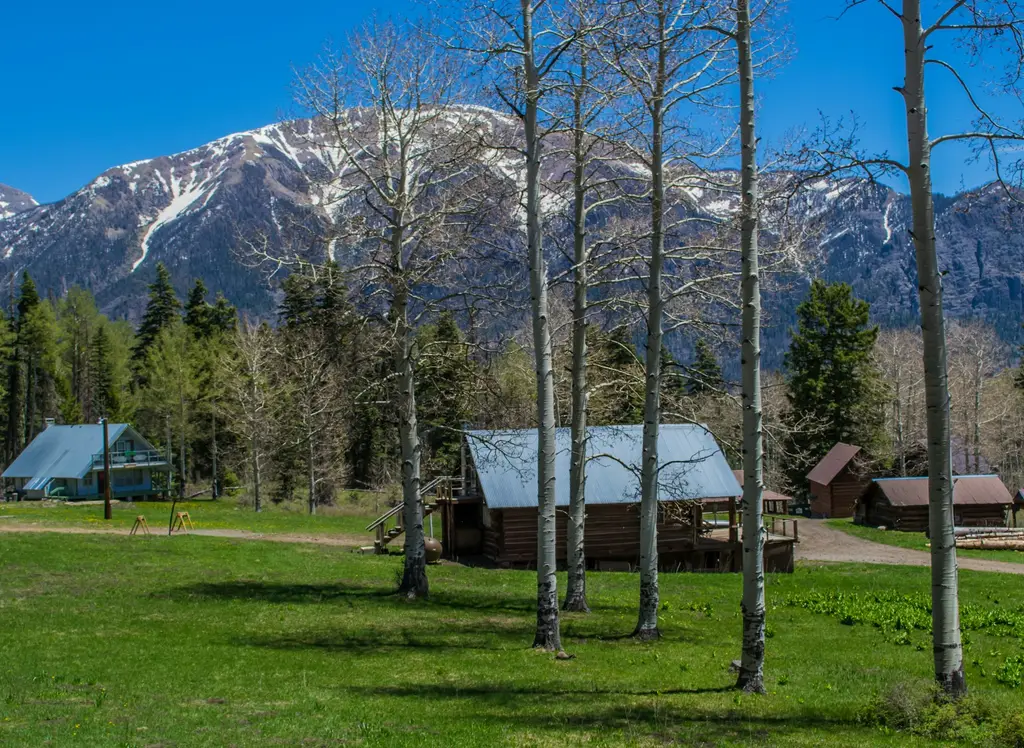
Spring brings snowmelt, muddy roads, and the beginning of the growing season in lower elevations. It's a critical time for water collection, system maintenance, and preparing gardens for the short, intense summer.
Summer (June-August)
Summers are typically sunny and warm, ideal for solar energy production and maximizing garden yields. However, it's also wildfire season in many areas, requiring diligent fire mitigation and water conservation efforts.
Fall (September-November)
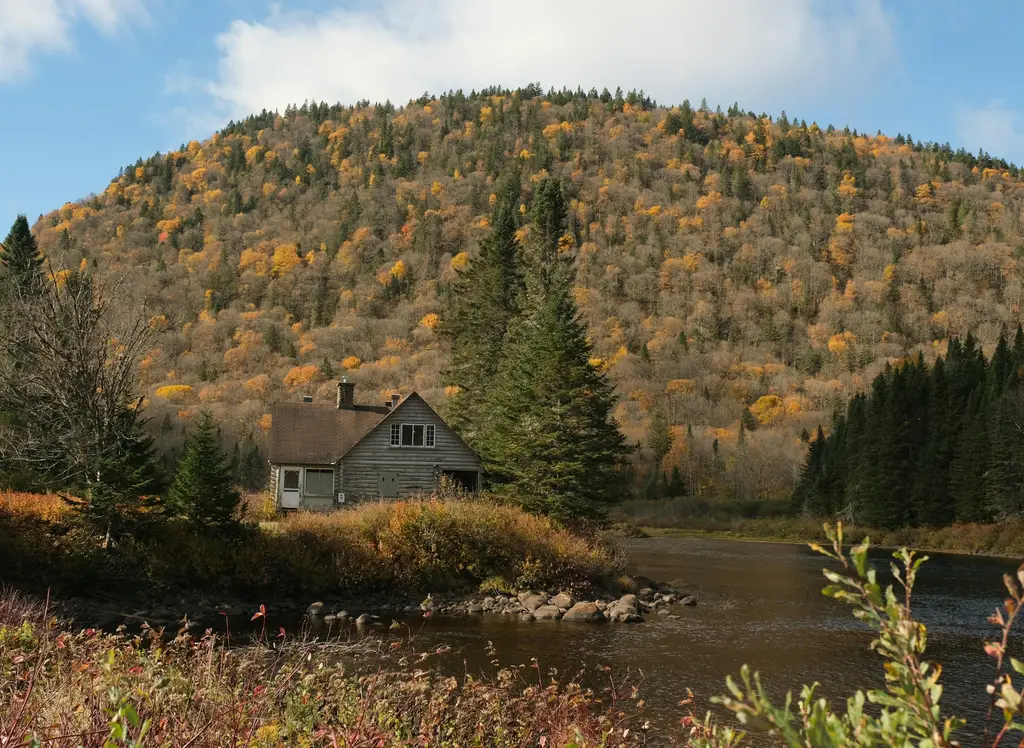
Fall is a period of harvest and intense preparation for winter. Energy systems are optimized, firewood is stacked, and insulation is checked, while roads can become impassable with early snowfalls.
Winter (December-March)
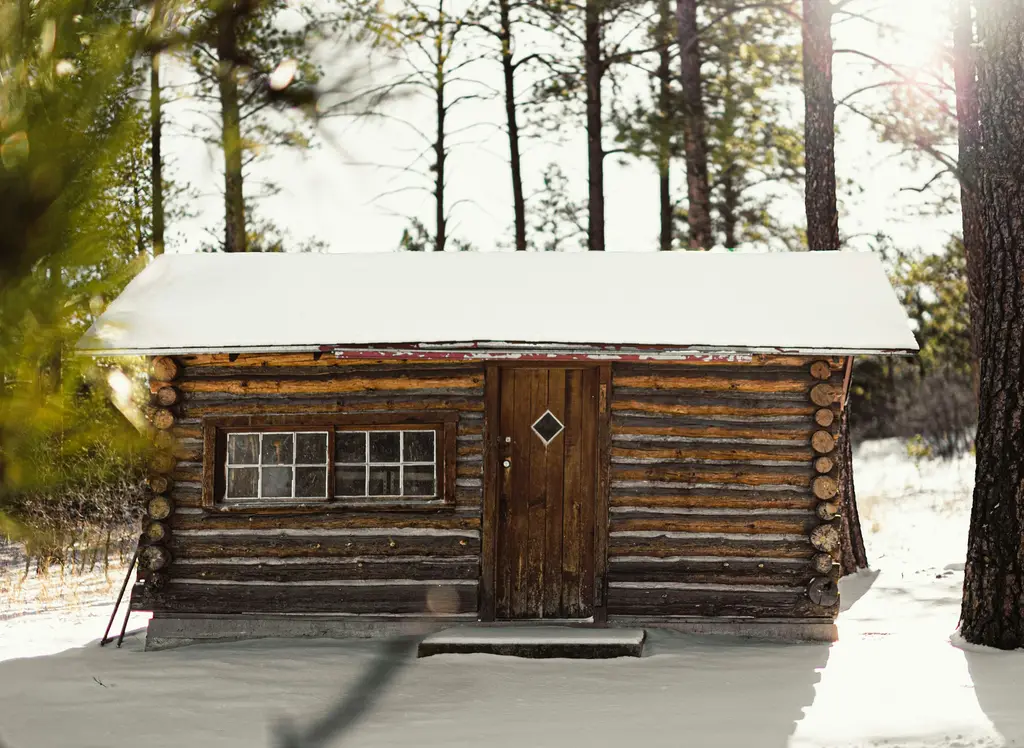
Winters are long and often severe, especially in mountainous regions, bringing deep snow and extreme cold. This season tests the resilience of off-grid systems and requires self-sufficiency in heating, power, and provisions.
Free tools
Your free outdoor toolkit

Everything Map
Listings, trails, spots, clubs and public land on a single full-screen map. Switch layers on and off, then tap any point for the details.
Open Everything MapProperty Lines Map
Property lines from your state’s own public parcel records on satellite imagery. Search an address and tap a parcel for its parcel ID, size, and owner where the state publishes it.
Open Property Lines MapLand Report
Check land before you buy it: the FEMA flood zone, how the soil rates for a septic system, elevation, solar, and the parcel owner, from government data.
Open Land ReportCabin Builder
Sketch a cabin in 3D, then export a blueprint and bill of materials. Nothing to install.
Open Cabin BuilderSolar Planner
Size panels, batteries, and an inverter from your appliance loads, with real sun data for your land.
Open Solar PlannerHomestead Planner
Trace your parcel on satellite imagery and place a cabin, well, septic, solar array, and garden.
Open Homestead Planner

Keep exploring