Off-Grid Communities · Arizona
Off-Grid Communities in Arizona
Explore 15 communities across Arizona. Maps, hours, contact info, photos, and verified operator profiles, all in one place.
Red-rock canyons, Sonoran desert, and pine-covered high country.
Updated
About Arizona
15 on the map
Tap a pin to open its profile.
Quick facts
- Communities listed
- 15
- Best season
- October through April
At a glance
Off-Grid Communities in Arizona at a glance
The first 10 of 15 communities listed in Arizona, in the same order as the full list below. Ratings and review counts are from Google. A blank cell means we do not have that detail yet.
| Community | City | Rating |
|---|---|---|
| Arizona Sun Sites | Sunsites | |
| Chevelon Canyon Ranch | Winslow | 4.45 Google reviews |
| Concho Valley | ||
| Desert Shadows Ranchos | ||
| Golden Horseshoe Ranchos | ||
| Golden Sage Ranchos | ||
| Golden Valley Ranchos | ||
| Hualapai Highlands | ||
| Juniperwood Ranch | Ash Fork | 5.03 Google reviews |
| Lake Mohave Ranchos |
All listings
15 communities
across Arizona
Watch it live
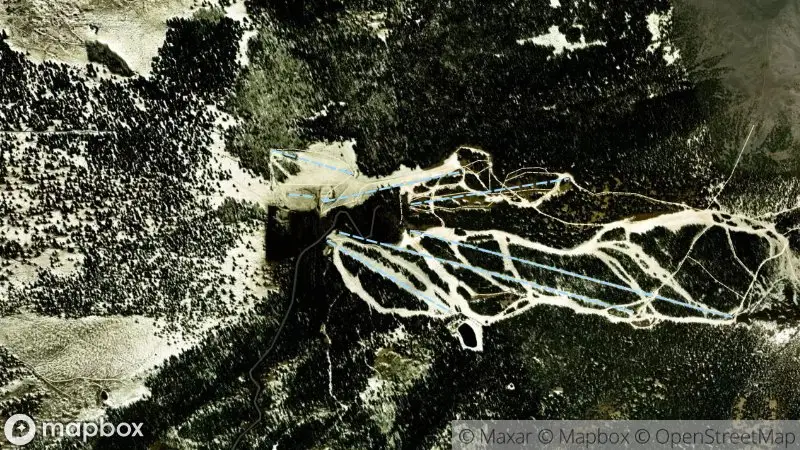
Live webcams in Arizona
 Location
Arizona Snowbowl Webcams
via Arizona Snowbowl
Watch livePlan your trip
Plan your trip to Arizona
Rainwater Harvesting
Arizona is one of the most permissive states for rainwater harvesting. There are no state restrictions on collecting rainwater, and some municipalities even offer incentives. However, large-scale collection for potable use may still fall under local health department oversight for water quality.
Wastewater and Septic Systems
Composting toilets are generally permitted in Arizona, but their use is typically regulated by county health departments to ensure proper waste management. For traditional wastewater, a septic system permit from the Arizona Department of Environmental Quality (ADEQ) or the delegated county health department is required for most off-grid properties, with specific design and installation standards.
Building Codes and Owner-Builder Exemptions
Building codes vary by county and municipality. Some rural counties, such as Mohave and Yavapai (outside of incorporated areas), are known for more lenient or owner-builder friendly regulations, potentially allowing for alternative construction methods or reduced permitting burdens. However, all construction must meet basic safety standards, and it is imperative to verify local requirements before building.
Well Permits and Water Rights
Access to water is critical. Drilling a new well requires a permit from the Arizona Department of Water Resources (ADWR). Water rights in Arizona are complex, often tied to land and governed by prior appropriation doctrine. Prospective buyers must investigate existing water rights, well depth, and expected yield for any property, especially in designated Active Management Areas.
Solar Exposure and Energy Policy
Arizona boasts exceptional solar potential. While net metering policies have changed, solar remains highly viable for off-grid applications. Utility interconnection for grid-tied systems is still possible, but off-grid systems are self-contained. Property taxes generally do not include the value of solar installations for residential use, providing a financial incentive.
Road Access and Maintenance
Many off-grid properties are accessed via unpaved roads, which can be challenging, especially during monsoon season or winter in higher elevations. Verify whether roads are publicly maintained, privately maintained (e.g., by an HOA), or if an easement provides access. Poor road conditions can significantly impact delivery, travel, and vehicle wear.
Confirm current requirements with the state agency before your trip. Rules and fees change every season.
Well Drilling Permit
Any new groundwater well drilled in Arizona requires a permit from the Arizona Department of Water Resources (ADWR). This ensures proper registration and adherence to state water laws. The permit process involves submitting an application with details about the proposed well's location and intended use.
Arizona Department of Water ResourcesWastewater System Permit
Installation or modification of any wastewater treatment system, including septic tanks or alternative systems for composting toilets, must be approved by the Arizona Department of Environmental Quality (ADEQ) or the delegated county health department. This ensures compliance with public health and environmental standards.
Arizona Department of Environmental QualityBuilding Permits
Most permanent structures, including homes and outbuildings, require building permits from the local county or municipal planning and zoning department. Even in rural areas with more lenient zoning, basic safety and structural integrity codes typically apply. Owner-builder exemptions may reduce some requirements, but verification with local authorities is essential.
Arizona Department of Emergency and Military Affairs
- 01
1. Define Your Off-Grid Vision
Clearly outline your priorities: desired climate, water needs, preferred community type (isolated homestead vs. intentional community), building preferences, and budget. This helps narrow down potential regions and property types.
- 02
2. Research Regional Zoning and Regulations
Investigate county-specific zoning, building codes, and health department regulations for your target areas. Pay close attention to rules regarding minimum dwelling sizes, alternative building materials, and wastewater systems, as these vary significantly.
- 03
3. Assess Water and Power Resources
For any prospective property, thoroughly research water availability (wells, hauled water, rainwater harvesting potential, water rights) and solar exposure. Understand the costs and feasibility of establishing these essential off-grid systems.
- 04
4. Conduct On-Site Due Diligence
Visit potential properties multiple times throughout the year to experience different seasons. Evaluate road access, soil quality for gardening, cell service, internet availability, and proximity to essential services or emergency care.
- 05
5. Secure Financing and Legal Counsel
Many off-grid properties require cash purchases or specialized loans. Engage a real estate attorney experienced in rural land transactions and water rights to review all documents and ensure clear title and access to necessary resources.
01How many off-grid communities are in Arizona?
02What are the primary challenges of off-grid living in Arizona?
03Is it legal to harvest rainwater for off-grid use in Arizona?
04Are there specific counties in Arizona known for lenient off-grid building codes?
05How do I secure water rights for an off-grid property in Arizona?
06What is the typical growing season like for homesteaders in Arizona?
07What kind of internet access can I expect in rural off-grid areas of Arizona?
When to go
Season by season in Arizona
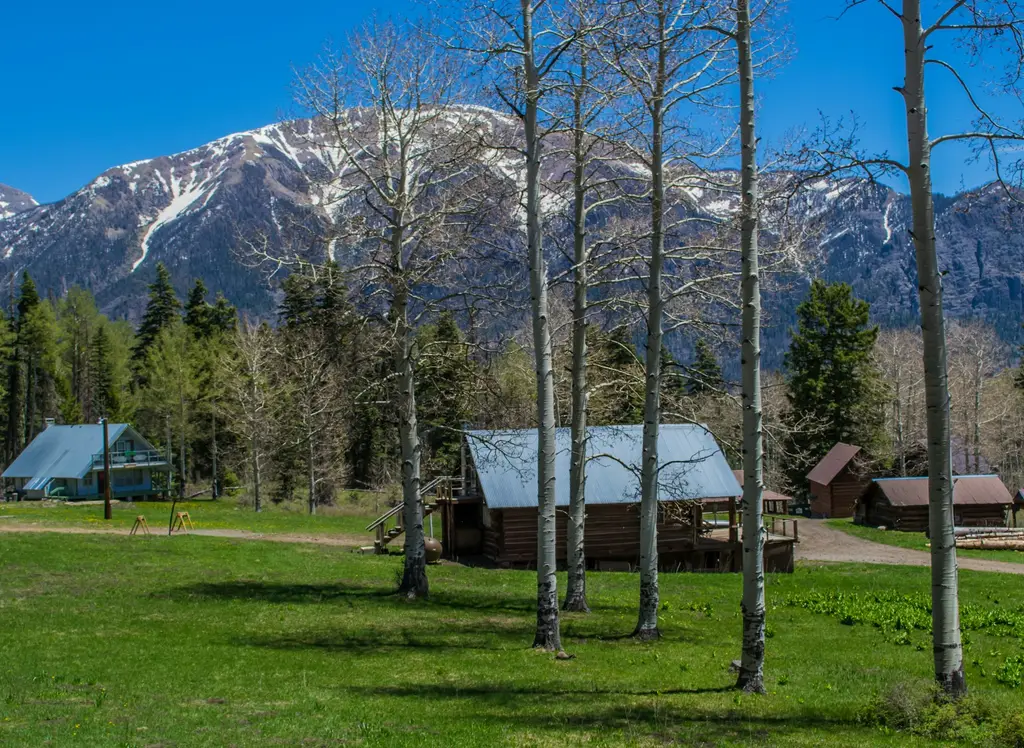
Spring (March - May)
Mild temperatures and blooming desert flora characterize spring. This is an ideal time for construction projects, gardening preparation in many regions, and exploring potential land parcels before summer heat sets in.
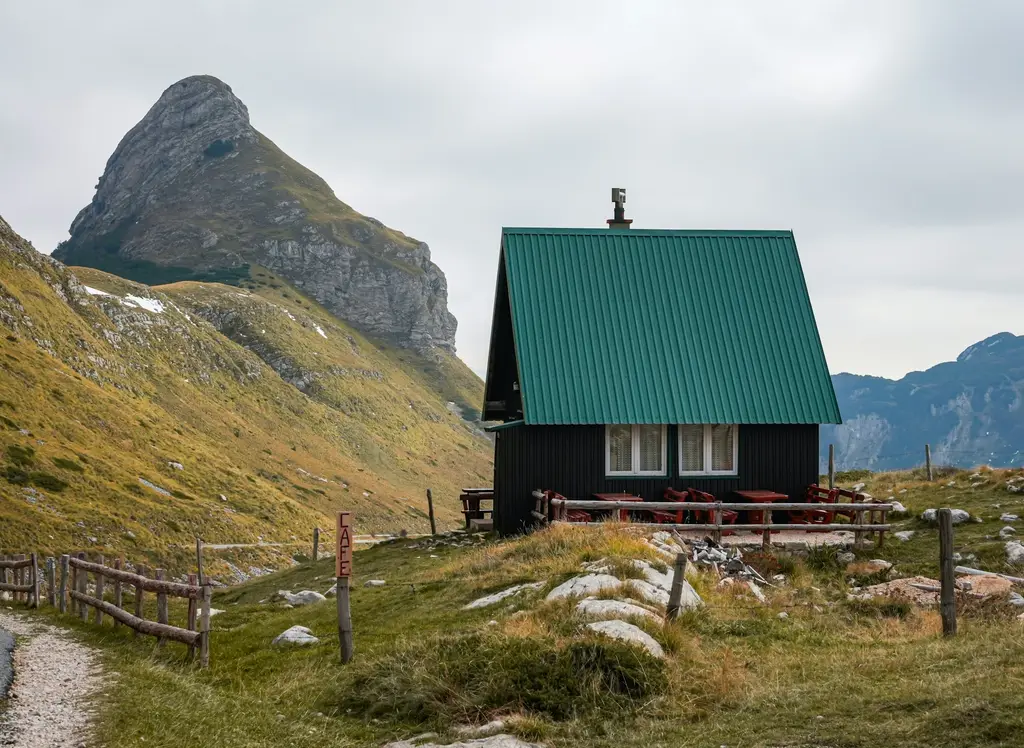
Summer (June - August)
Summers are intensely hot, especially in lower elevations, demanding robust water conservation, shade structures, and efficient cooling strategies. Monsoons bring crucial rain, but also flash floods and increased fire risk.
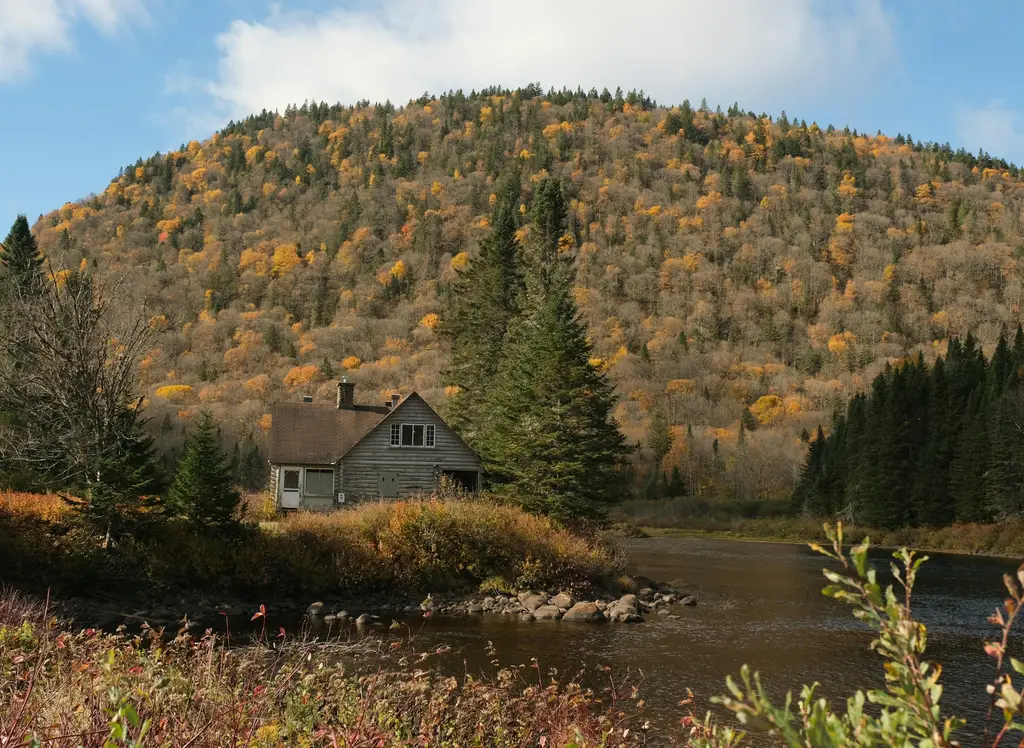
Fall (September - November)
Pleasant temperatures return, making fall excellent for outdoor work, harvesting crops in cooler regions, and preparing systems for winter. Water sources begin to replenish after the monsoon season.
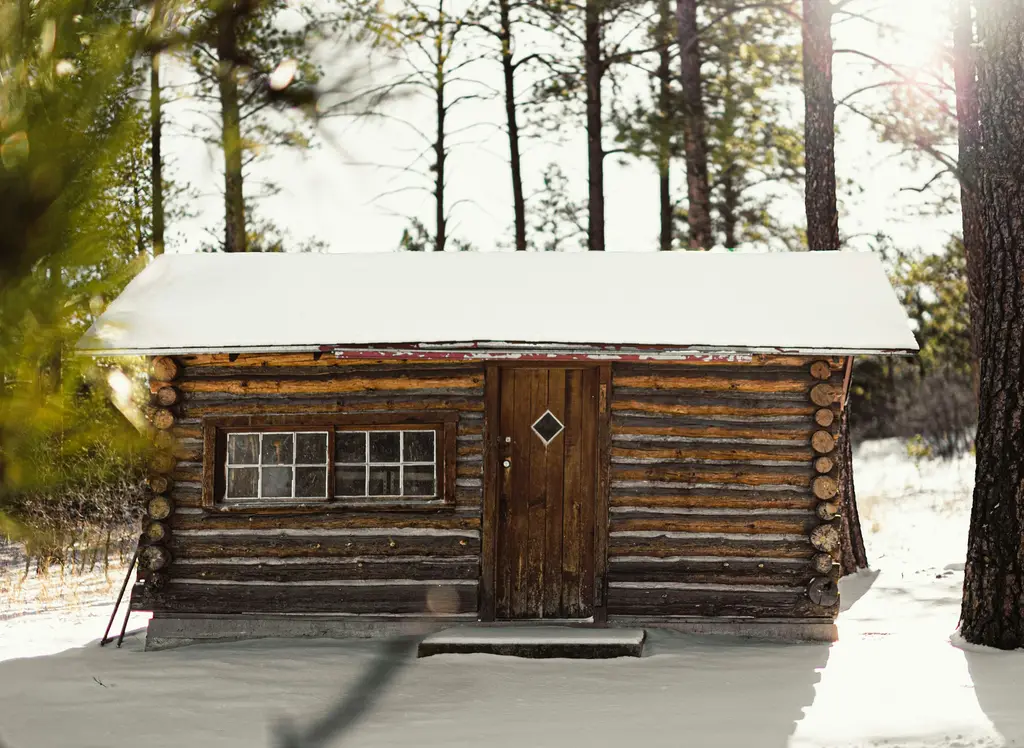
Winter (December - February)
Winters are mild in the south but cold with significant snow in northern high elevations, impacting access and requiring robust heating solutions. Lower sun angles reduce solar energy production, necessitating larger battery banks or backup power.
Free tools
Your free outdoor toolkit

Everything Map
Listings, trails, spots, clubs and public land on a single full-screen map. Switch layers on and off, then tap any point for the details.
Open Everything MapProperty Lines Map
Property lines from your state’s own public parcel records on satellite imagery. Search an address and tap a parcel for its parcel ID, size, and owner where the state publishes it.
Open Property Lines MapLand Report
Check land before you buy it: the FEMA flood zone, how the soil rates for a septic system, elevation, solar, and the parcel owner, from government data.
Open Land ReportCabin Builder
Sketch a cabin in 3D, then export a blueprint and bill of materials. Nothing to install.
Open Cabin BuilderSolar Planner
Size panels, batteries, and an inverter from your appliance loads, with real sun data for your land.
Open Solar PlannerHomestead Planner
Trace your parcel on satellite imagery and place a cabin, well, septic, solar array, and garden.
Open Homestead Planner

Keep exploring