Off-Grid Communities · California
Off-Grid Communities in California
Explore 12 communities across California. Maps, hours, contact info, photos, and verified operator profiles, all in one place.
Coastline, Sierras, deserts, and redwoods. Every outdoor environment in one state.
Updated
About California
12 on the map
Tap a pin to open its profile.
Quick facts
- Communities listed
- 12
- Best season
- Year-round
At a glance
Off-Grid Communities in California at a glance
The first 10 of 12 communities listed in California, in the same order as the full list below. Ratings and review counts are from Google. A blank cell means we do not have that detail yet.
| Community | City | Rating |
|---|---|---|
| California Pines | Alturas | 4.3190 Google reviews |
| California Valley | ||
| Charleston View | Charleston View | |
| Emerald Earth Sanctuary | ||
| Flamingo Heights | Homestead Valley | |
| Hi Vista | Hi Vista | |
| Johnson Valley | Johnson Valley | 4.728 Google reviews |
| Landers | Homestead Valley | |
| R-Ranch | Hornbrook | 4.5117 Google reviews |
| Slab City |
All listings
12 communities
across California
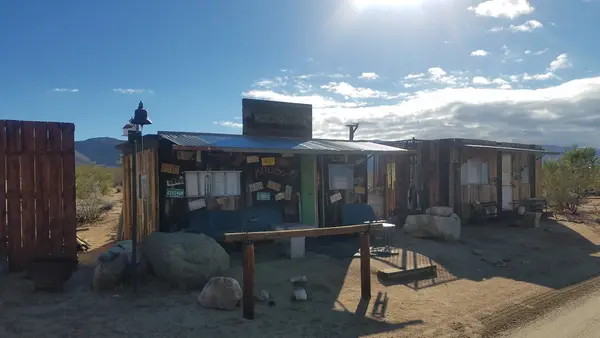
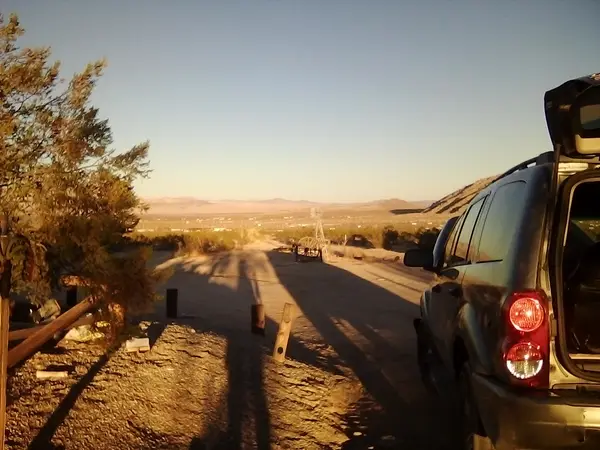
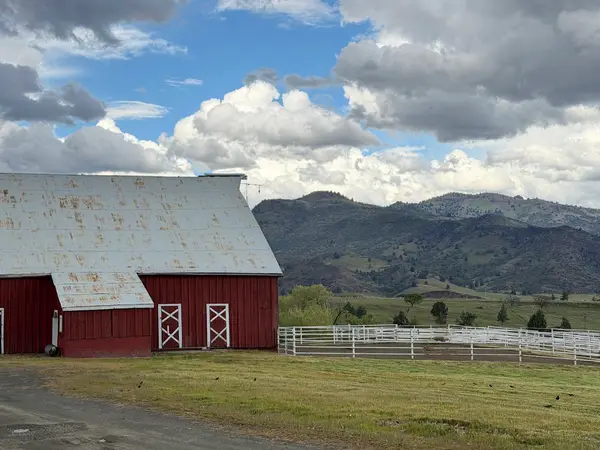
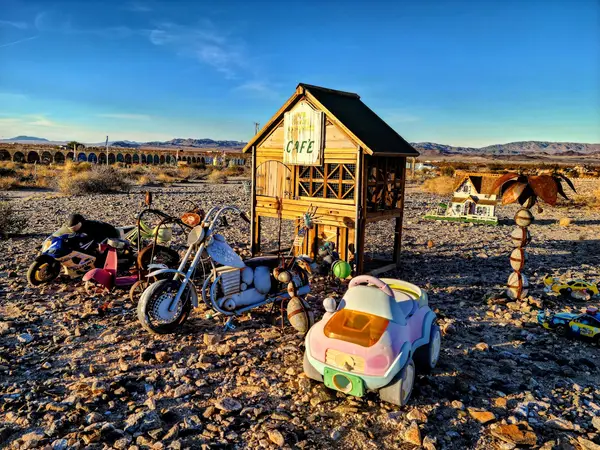
Plan your trip
Plan your trip to California
Rainwater Harvesting Regulations
California generally allows rainwater harvesting for potable and non-potable uses. State law permits the installation of rainwater capture systems in new construction and allows for their use without a water right permit if used on the same property where it falls. However, local permits and regulations regarding storage, treatment, and distribution may still apply, particularly for potable use. Always check with your local county building department for specific requirements.
Composting Toilets and Wastewater
Composting toilets are legal in California under certain conditions, primarily requiring approval from local health departments. They must meet specific public health and safety standards. For conventional wastewater, a septic system permit is required for properties not connected to municipal sewer. Design and installation must comply with county environmental health regulations, which can be stringent and vary significantly by region.
Building Codes and Dwelling Size
California adheres to the California Building Code (CBC), which is based on national models but includes state-specific amendments. Minimum dwelling size requirements vary by county; some rural counties may have more flexibility or offer owner-builder exemptions for non-conventional structures, but these are often limited. Counties like Humboldt, Mendocino, and Trinity are sometimes cited for more adaptable approaches to alternative building, but this is not universal and requires direct verification with local planning departments.
Well Permits and Water Rights
Drilling a well in California requires a permit from the local county health department or environmental health division. Water rights are complex and governed by the State Water Resources Control Board (SWRCB). Surface water rights are often highly adjudicated, while groundwater rights are becoming increasingly regulated, especially in critically overdrafted basins. Understanding existing water rights or the process for new appropriations is vital for any off-grid property dependent on a well or surface water.
Solar Exposure and Net Metering
California boasts excellent solar exposure across much of the state, making it highly suitable for off-grid solar power systems. For grid-tied systems, the state's net metering policies (currently NEM 3.0) affect how excess solar energy is credited. Off-grid systems are not subject to net metering but require careful sizing to ensure year-round energy independence, accounting for seasonal variations in sunlight and energy demand.
Road Access and County Maintenance
Access to off-grid properties in California often involves unpaved roads, which may or may not be maintained by the county. Many rural roads are private easements or require homeowners' association fees for upkeep. Verify road maintenance responsibilities and conditions, especially for year-round access, as heavy rains or snow can render some routes impassable for standard vehicles. Easement access rights should be thoroughly researched.
Confirm current requirements with the state agency before your trip. Rules and fees change every season.
Well Permitting and Water Rights
Any new well construction requires a permit from the local county environmental health department. Furthermore, obtaining water for beneficial use from surface or groundwater sources is governed by the State Water Resources Control Board. Prospective landowners must understand existing water rights, if any, associated with a property or apply for new rights where applicable.
California State Water Resources Control BoardOnsite Wastewater Treatment System (OWTS) Permit
For properties not connected to a municipal sewer system, an Onsite Wastewater Treatment System (OWTS), typically a septic system, requires a permit from the local county environmental health department. The design and installation must comply with county-specific regulations and the California Plumbing Code, ensuring proper treatment and disposal of wastewater.
Building Permits and Zoning Compliance
Construction of any dwelling or substantial structure in California requires building permits from the local county or city building department. This includes off-grid homes and outbuildings. Projects must comply with the California Building Code, local zoning ordinances, and fire safety regulations, which can impact choices for materials, design, and siting of structures.
- 01
Define Your Off-Grid Priorities
Clearly outline your essential needs for water, power, waste, and shelter, as well as your desired level of isolation. This helps narrow down suitable regions and property types, making your search more efficient and focused on viable options.
- 02
Research County-Specific Regulations
Investigate building codes, zoning ordinances, well permitting, and septic/wastewater requirements for specific counties of interest. Regulations vary widely, and understanding them upfront is critical to avoid costly surprises or project delays.
- 03
Assess Property-Specific Resources
When evaluating land, verify available resources such as water sources (wells, springs, rainfall potential), solar exposure, and soil quality for gardening. Consider factors like road access, cell service, and proximity to essential services for your comfort and safety.
- 04
Conduct Thorough Due Diligence
Before purchasing, engage professionals for surveys, perk tests for septic, well inspections, and title searches. Understand any easements, covenants, or restrictions on the property that could impact your off-grid plans, including fire safety requirements.
- 05
Plan Your Infrastructure and Budget
Develop a detailed plan for your off-grid systems (solar, water collection, septic/compost) and estimate costs. Factor in not just purchase price but also development costs, permits, and ongoing maintenance. Secure necessary financing or savings before committing to a property.
01How many off-grid communities are in California?
02Is off-grid living legal in California?
03What are the biggest challenges for off-grid water in California?
04Can I use composting toilets or greywater systems?
05How do I deal with fire risk on an off-grid property?
06What is the typical cost of setting up an off-grid power system?
07Are there off-grid communities in California?
When to go
Season by season in California
Spring (March - May)
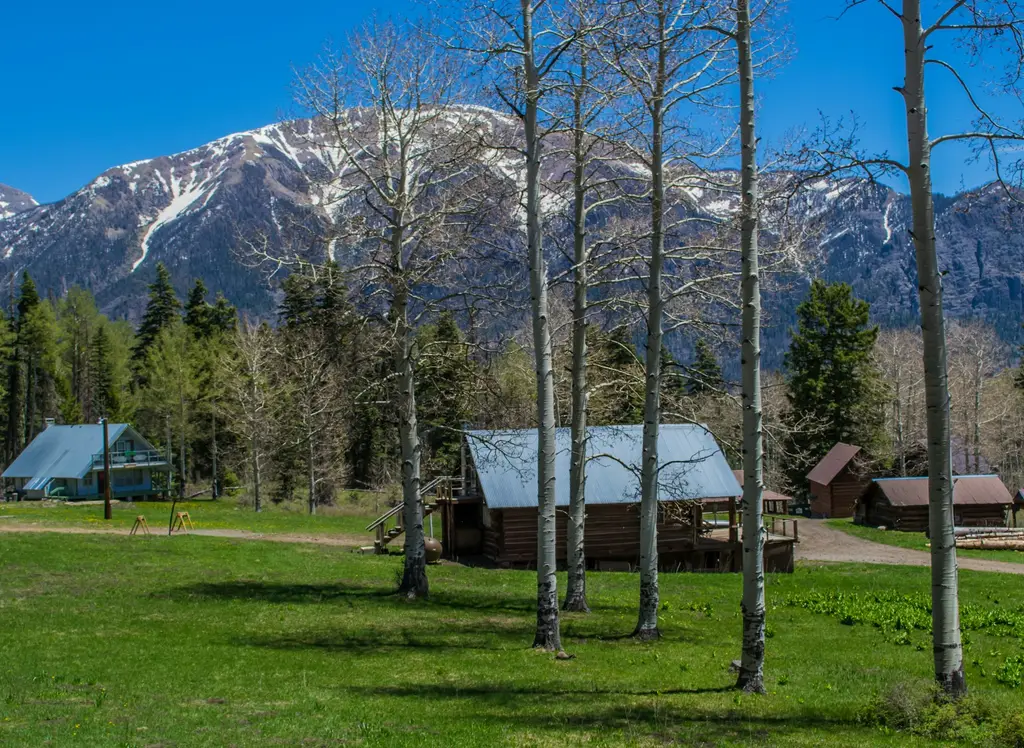
Spring brings essential rainfall to many regions, replenishing cisterns and initiating the growing season. Snowmelt in the mountains contributes to water tables, crucial for well-dependent homesteads. This is an ideal time for planting and preparing infrastructure before summer's heat.
Summer (June - August)
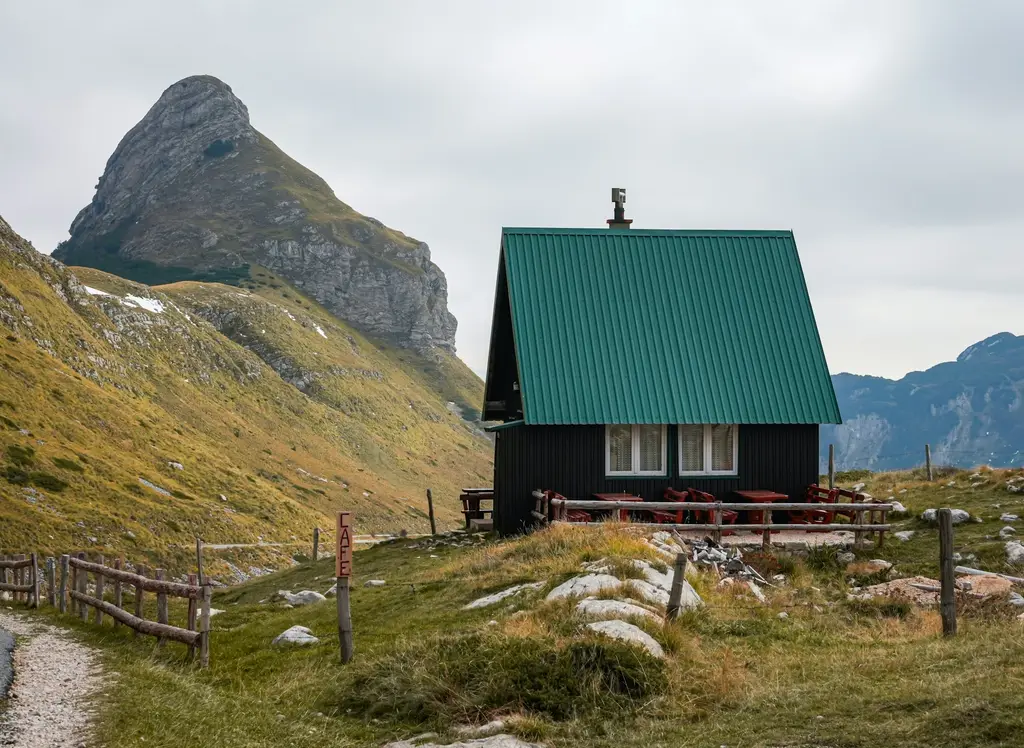
Summers are typically hot and dry, especially inland and in the deserts, increasing fire risk and straining water resources. Solar energy production peaks, but careful water management and fire-wise landscaping become critical. Outdoor work is best done in cooler morning hours.
Fall (September - November)
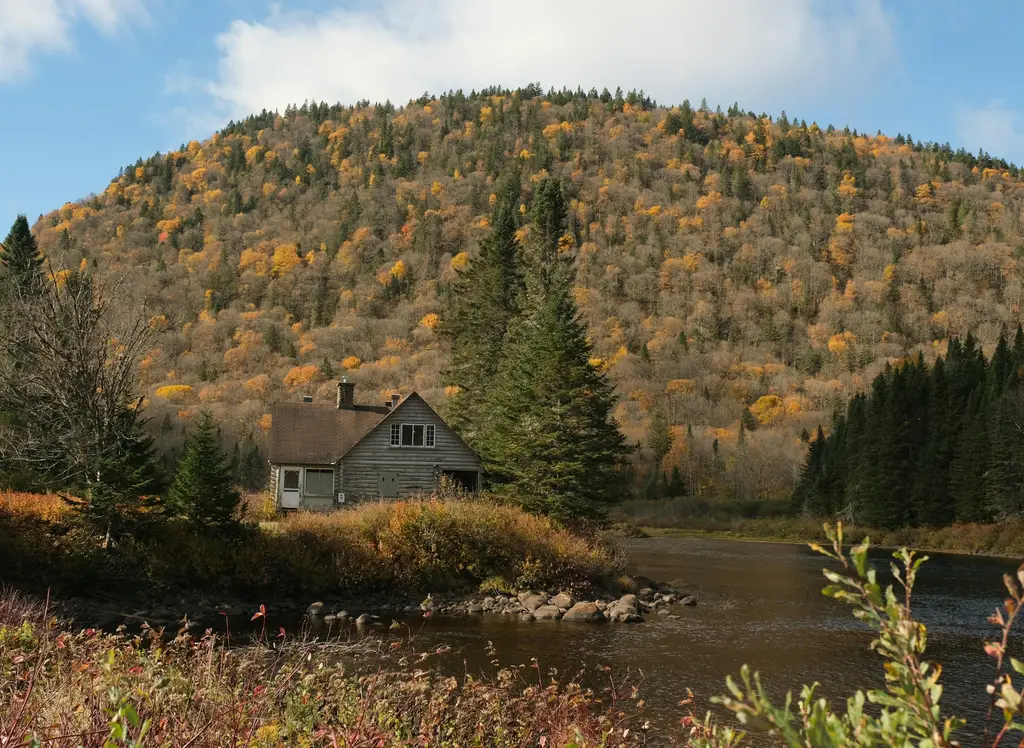
Fall offers a reprieve from summer's intensity, with cooler temperatures and often the first significant rains, easing fire concerns. It's a prime time for harvesting late-season crops, preparing for winter, and conducting maintenance on off-grid systems before colder weather arrives.
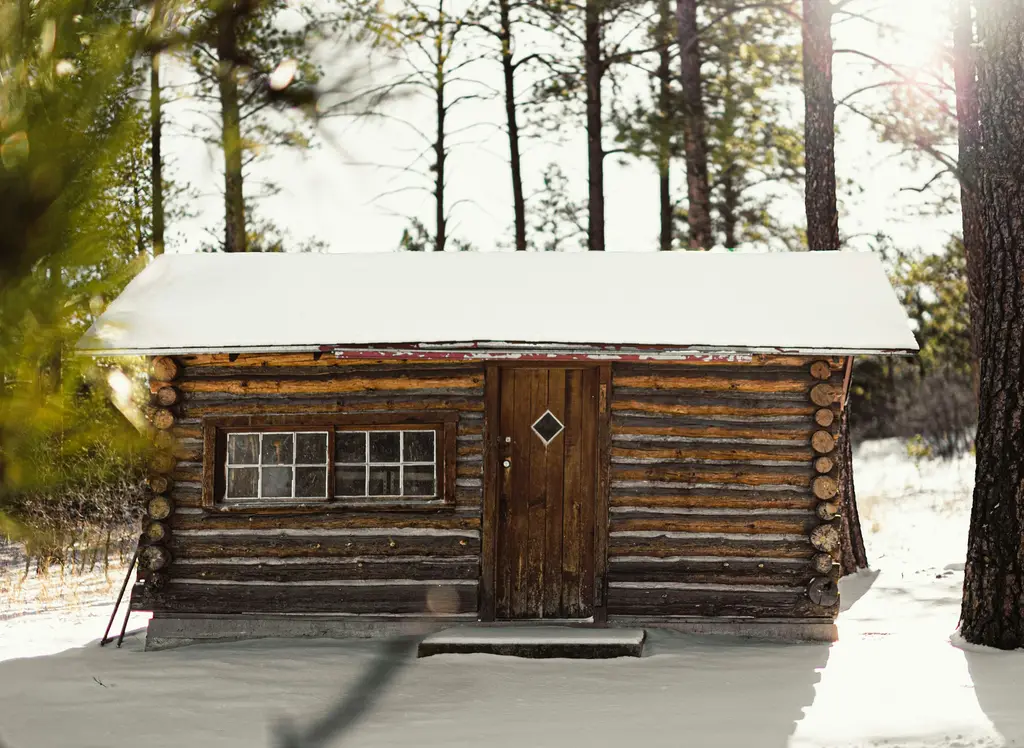
Winter (December - February)
Winters vary from mild and wet along the coast to heavy snow in the mountains, impacting access and solar generation. Water collection from rainfall is crucial, and wood heating or other backup systems are often necessary. Planning for isolation due to weather is essential in remote areas.
Free tools
Your free outdoor toolkit

Everything Map
Listings, trails, spots, clubs and public land on a single full-screen map. Switch layers on and off, then tap any point for the details.
Open Everything MapProperty Lines Map
Property lines from your state’s own public parcel records on satellite imagery. Search an address and tap a parcel for its parcel ID, size, and owner where the state publishes it.
Open Property Lines MapLand Report
Check land before you buy it: the FEMA flood zone, how the soil rates for a septic system, elevation, solar, and the parcel owner, from government data.
Open Land ReportCabin Builder
Sketch a cabin in 3D, then export a blueprint and bill of materials. Nothing to install.
Open Cabin BuilderSolar Planner
Size panels, batteries, and an inverter from your appliance loads, with real sun data for your land.
Open Solar PlannerHomestead Planner
Trace your parcel on satellite imagery and place a cabin, well, septic, solar array, and garden.
Open Homestead Planner