Off-Grid Communities · Oregon
Off-Grid Communities in Oregon
Explore 4 communities across Oregon. Maps, hours, contact info, photos, and verified operator profiles, all in one place.
Cascades, the high desert, and the most varied coastline in the lower 48.
Updated
About Oregon
4 on the map
Tap a pin to open its profile.
Quick facts
- Communities listed
- 4
- Best season
- June through October
At a glance
Off-Grid Communities in Oregon at a glance
All 4 communities listed in Oregon. Ratings and review counts are from Google. A blank cell means we do not have that detail yet.
| Community | City | Rating |
|---|---|---|
| Breitenbush | Detroit | 4.6517 Google reviews |
| Christmas Valley | Christmas Valley | |
| Juniper Canyon | ||
| Three Rivers Recreation Area | Culver | 4.05 Google reviews |
All listings
4 communities
across Oregon
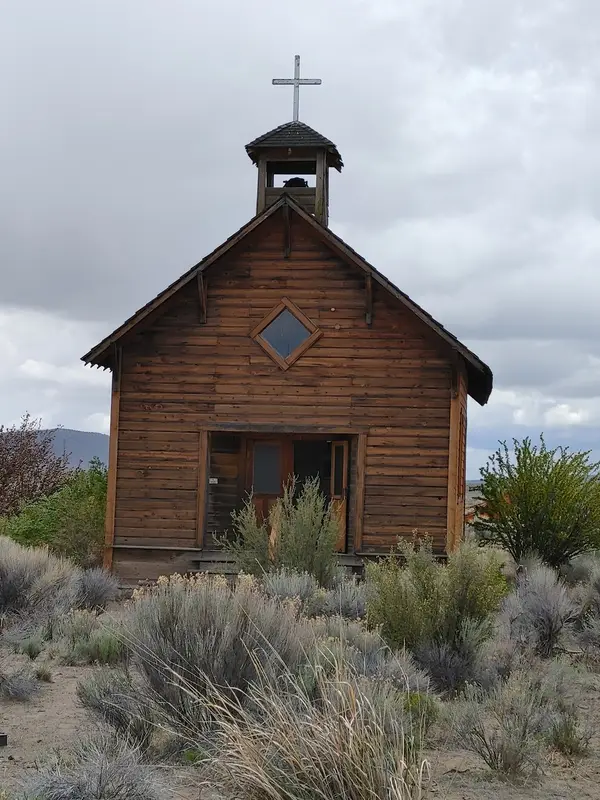
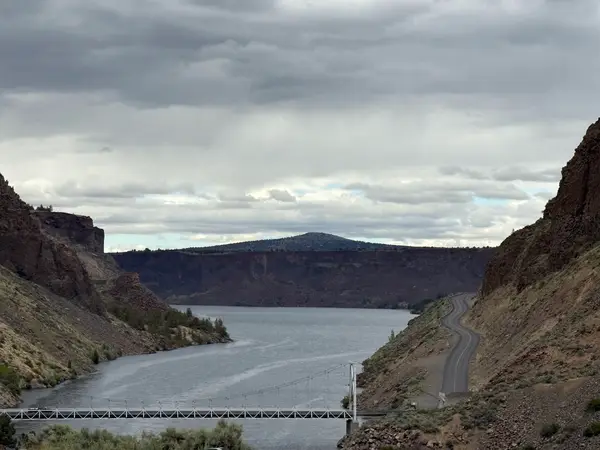
Plan your trip
Plan your trip to Oregon
Rainwater Harvesting
Oregon generally allows rainwater harvesting for non-potable and potable uses without a permit in most areas, though systems for potable use must meet specific health and safety standards. Check with your local building department for specific requirements related to storage capacity and system design.
Wastewater and Composting Toilets
Composting toilets are often permitted in Oregon as long as they are self-contained, don't discharge to the ground, and waste is properly handled. However, a graywater system or septic tank is typically still required for other household wastewater. Verify with the Oregon Department of Environmental Quality (DEQ) and local county health departments.
Building Codes and Minimum Dwelling Size
Oregon enforces the Oregon Residential Specialty Code (ORSC), which includes minimum dwelling size requirements. Some rural counties, particularly in Eastern Oregon like Grant or Baker, may have more lenient interpretations or allow for owner-builder exemptions, but comprehensive research into specific county ordinances is crucial. Always consult the local building department.
Water Rights and Well Permits
Access to water is heavily regulated. A domestic well is an exempt use in Oregon (no water-right permit is required for single- or group-domestic groundwater use up to 15,000 gallons per day), though it must be drilled by a licensed constructor and the use registered with the Oregon Water Resources Department (OWRD). Larger withdrawals do require a water right. For surface water, existing water rights are paramount, and new appropriations can be challenging. Thoroughly investigate water availability and rights for any prospective property.
Solar Exposure and Net Metering
Oregon offers excellent solar potential, especially east of the Cascades. While off-grid systems don't typically interact with net metering, properties connected to the grid can often utilize it to offset energy costs. For purely off-grid setups, ensure sufficient sun exposure and consider battery storage for cloudy periods.
Confirm current requirements with the state agency before your trip. Rules and fees change every season.
Building Permits and Zoning
Any new construction or significant alteration to a dwelling, even off-grid, typically requires a building permit from the local county or city planning department. Zoning regulations dictate what types of structures and uses are permitted on a given parcel. Failure to comply can result in fines or forced removal. Always consult your specific county's planning and building departments early in your process.
On-Site Wastewater Treatment (Septic/Graywater)
Most off-grid properties not connected to municipal sewer systems will require an approved on-site wastewater treatment system (e.g., septic tank and drainfield) for blackwater, even if using composting toilets for solids. Graywater systems may also require permits. The Oregon Department of Environmental Quality (DEQ) sets statewide standards, implemented by county health departments. Verify requirements with the local county health department before any installation.
Water Well Permits
Domestic groundwater use is exempt from Oregon's water-right permitting (a household well using up to 15,000 gallons per day needs no water right from the Oregon Water Resources Department (OWRD)), but it must be drilled by a licensed well constructor to state standards, with the well report and exempt-use registration filed. Larger or irrigation withdrawals do require a water right. Existing wells should have documentation of their permit and water right status. Always confirm water rights for a property before purchase.
- 01
Define Your Off-Grid Vision
Clearly outline your needs for land size, climate, water access, desired level of seclusion, and community involvement. This will help narrow down suitable regions and property types within Oregon.
- 02
Research Local Zoning and Regulations
Before looking at specific parcels, thoroughly investigate county-level zoning ordinances, building codes, and health department rules regarding off-grid systems (water, waste, power) in your target regions. Some counties are more off-grid friendly than others.
- 03
Assess Natural Resources and Site Potential
Evaluate potential properties for key off-grid resources: solar exposure, water sources (well potential, rainwater catchment, existing rights), soil quality for gardening, and timber availability. Consider a professional site assessment for complex properties.
- 04
Connect with Off-Grid Communities and Experts
Seek out existing off-grid communities or homesteaders in Oregon for insights and practical advice. Join online forums or local groups to learn about regional specifics, challenges, and successful strategies.
- 05
Secure Financing and Conduct Due Diligence
Explore land loan options, as traditional mortgages can be difficult for raw land or unconventional dwellings. Once a property is identified, conduct thorough due diligence, including title searches, water rights verification, and boundary surveys, before finalizing the purchase.
01How many off-grid communities are in Oregon?
02Is it legal to live completely off-grid in Oregon?
03What are the biggest challenges for off-grid water sourcing in Oregon?
04Are there specific counties in Oregon that are more lenient for off-grid building codes?
05What kind of internet access can I expect in rural off-grid areas of Oregon?
06How do property taxes work for off-grid homesteads in Oregon?
07What are the common waste management practices for off-grid living in Oregon?
When to go
Season by season in Oregon
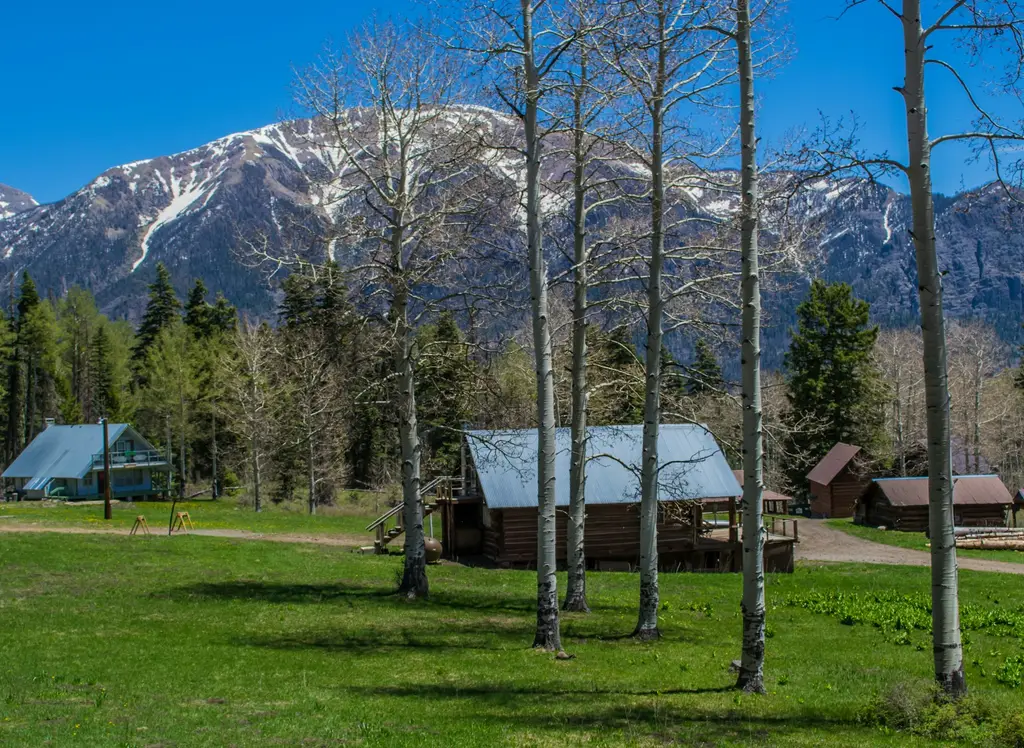
Spring
Spring brings renewed growth, abundant rainfall in Western Oregon, and thawing conditions in the east, making it ideal for starting gardens, assessing water systems, and beginning construction projects before summer heat.
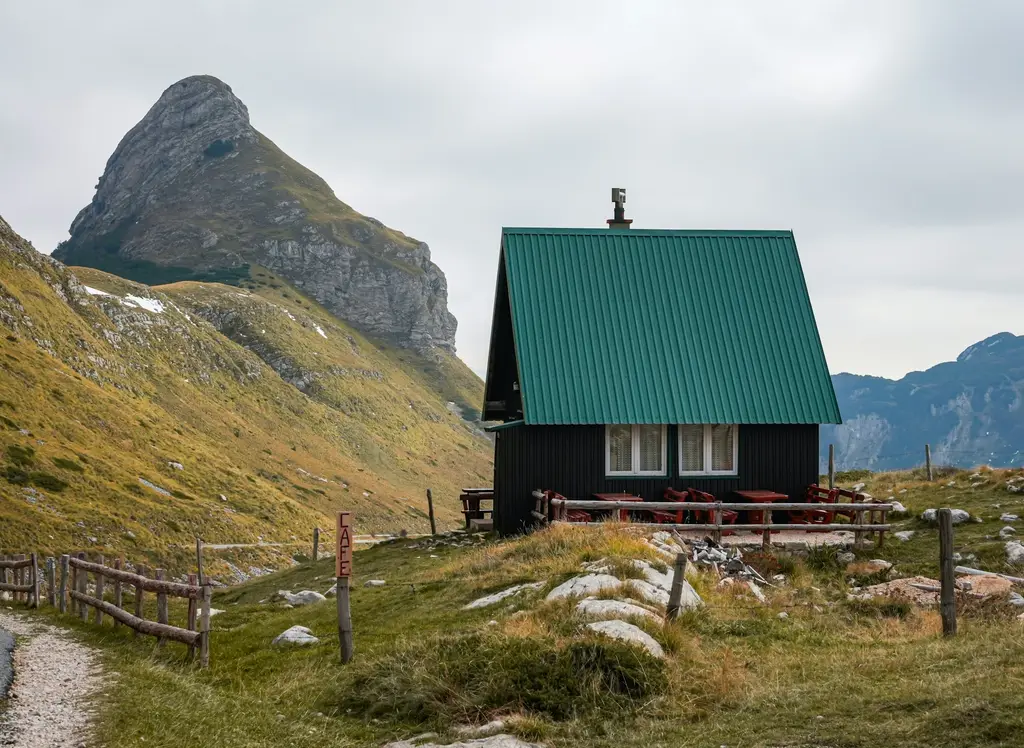
Summer
Summers are typically dry and warm, especially east of the Cascades, providing excellent solar exposure for power generation but also requiring careful water management and heightened awareness of wildfire risks.
Fall
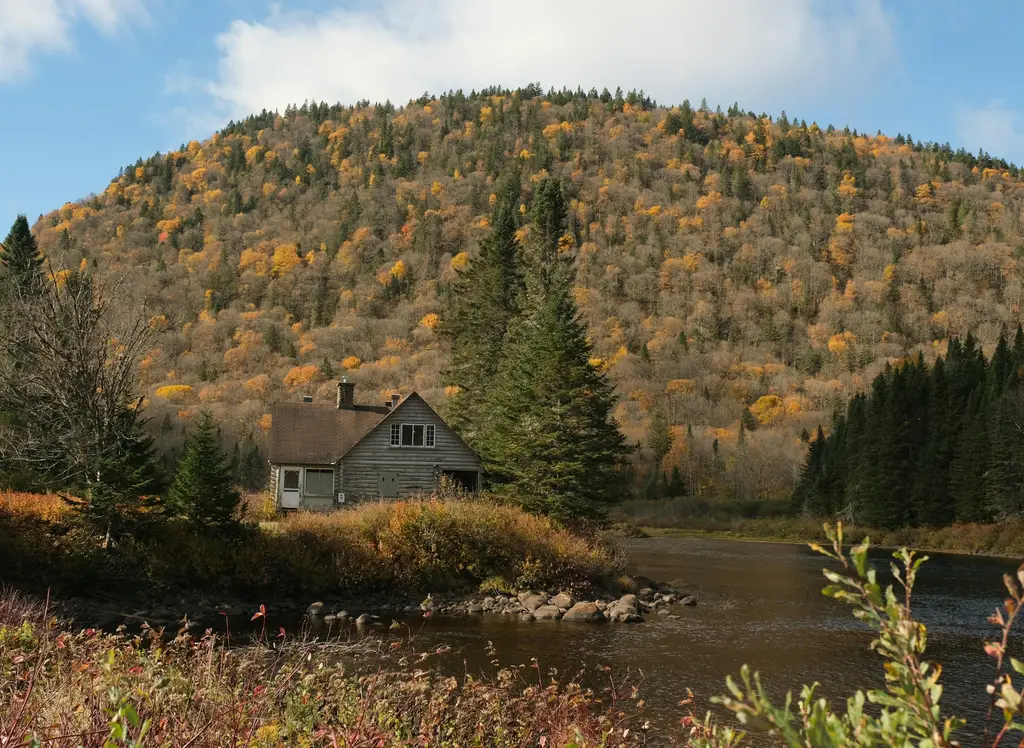
Fall offers a crucial window for harvesting, preparing for winter, and completing outdoor projects before colder temperatures and increased precipitation arrive, particularly important for wood gathering and infrastructure maintenance.
Winter
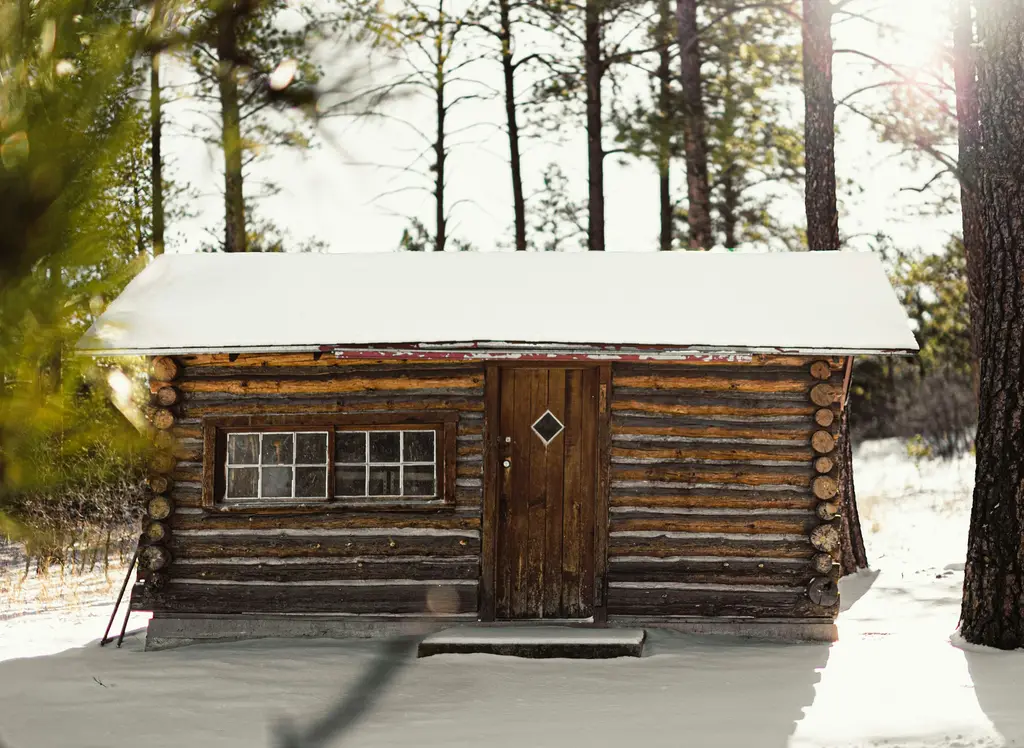
Winters vary significantly; western Oregon experiences mild, wet conditions, while eastern areas see colder temperatures and snow, demanding robust shelter, reliable heating, and preparedness for potentially isolated road access.
Free tools
Your free outdoor toolkit

Everything Map
Listings, trails, spots, clubs and public land on a single full-screen map. Switch layers on and off, then tap any point for the details.
Open Everything MapProperty Lines Map
Property lines from your state’s own public parcel records on satellite imagery. Search an address and tap a parcel for its parcel ID, size, and owner where the state publishes it.
Open Property Lines MapLand Report
Check land before you buy it: the FEMA flood zone, how the soil rates for a septic system, elevation, solar, and the parcel owner, from government data.
Open Land ReportCabin Builder
Sketch a cabin in 3D, then export a blueprint and bill of materials. Nothing to install.
Open Cabin BuilderSolar Planner
Size panels, batteries, and an inverter from your appliance loads, with real sun data for your land.
Open Solar PlannerHomestead Planner
Trace your parcel on satellite imagery and place a cabin, well, septic, solar array, and garden.
Open Homestead Planner

Keep exploring