Off-Grid Communities · Idaho
Off-Grid Communities in Idaho
Explore 1 community across Idaho. Maps, hours, contact info, photos, and verified operator profiles, all in one place.
Wilderness density second only to Alaska. Salmon, Sawtooths, and Snake River.
Updated
About Idaho
1 on the map
Tap a pin to open its profile.
Quick facts
- Communities listed
- 1
- Best season
- June through October
All listings
1 community
across Idaho
Plan your trip
Plan your trip to Idaho
Water Rights and Well Permits
Idaho operates under the 'prior appropriation' doctrine for water rights, meaning 'first in time, first in right'. Drilling a well requires a drilling permit from the Idaho Department of Water Resources and must be done by a licensed driller, but a single-family domestic well, household use plus up to a half-acre of irrigation, is exempt from the state's water-right permit, with that right established simply by putting the water to beneficial use. Larger or irrigation withdrawals do require a water right from the Idaho Department of Water Resources. Rainwater harvesting for domestic use is generally permitted without a permit.
Building Codes and Zoning
Building codes vary by county; some rural counties, such as Gem or Boundary, are known for more relaxed regulations or allow for owner-builder exemptions, making alternative construction methods more feasible. Always verify local zoning ordinances and building permit requirements with the specific county planning and zoning department before purchasing land.
Wastewater Management
Septic systems require permits and adherence to Idaho Department of Environmental Quality (DEQ) standards. Composting toilets are generally permissible but must meet specific health department requirements for installation and waste disposal, often requiring a variance or special approval.
Road Access and Maintenance
Many off-grid properties are accessed via unmaintained county roads or private easements. It is critical to confirm year-round access, especially for winter, and understand who is responsible for road maintenance and snow removal. Property taxes in Idaho are generally moderate compared to other states, but vary by county and property assessment.
Solar Exposure and Net Metering
Idaho offers excellent solar exposure, particularly in the southern regions. While net metering policies are in place, they vary by utility provider (e.g., Idaho Power, Avista). Prospective off-gridders should research the specific utility's policies if they intend to connect to the grid partially.
Growing Season and Climate
The growing season varies significantly across Idaho, from short, intense summers in the central mountains to longer seasons in the lower Snake River Plain. Understanding the local climate, average frost dates, and precipitation patterns is essential for successful gardening and food production.
Confirm current requirements with the state agency before your trip. Rules and fees change every season.
Well Permit and Water Rights
A single-family domestic well is exempt from Idaho's water-right permit requirement (Idaho Code 42-227) (the right is secured by beneficial use, not by application), though the well must be constructed by a licensed driller to state standards. Withdrawals beyond domestic use, or irrigation past a half-acre, do require a water right from the Idaho Department of Water Resources under the state's prior appropriation system. This is a critical step for securing a reliable water source for off-grid living.
Idaho Department of Water ResourcesOn-Site Wastewater System Permit
Installation or modification of any on-site wastewater treatment system, including septic systems, requires a permit from the local public health district. This ensures compliance with state environmental quality standards. For alternative systems like composting toilets, specific approval or a variance may be required, verifying proper sanitation protocols.
County Building Permits and Zoning
While some rural areas have relaxed codes, most counties require building permits for new construction or significant modifications. Landowners must consult the specific county's planning and zoning department to understand local ordinances, minimum dwelling sizes, and any restrictions on alternative building methods or land use. These regulations can vary greatly even between adjacent counties.
- 01
1. Define Your Off-Grid Goals and Budget
Clearly outline your vision for off-grid living, including desired level of self-sufficiency, preferred climate, access needs, and financial parameters. Research typical land prices in Idaho's various regions to align expectations with your budget.
- 02
2. Research County Regulations and Zoning
Identify counties known for favorable off-grid regulations, particularly regarding building codes, septic/wastewater, and water rights. Contact the planning and zoning departments of potential counties to confirm current ordinances relevant to your plans.
- 03
3. Secure Water Rights and Assess Land Resources
Investigate water availability and rights for any prospective property, whether through existing wells, surface water, or the potential for new well drilling. Evaluate the land's natural resources, such as timber, solar exposure, and soil quality, to ensure it meets your self-sufficiency needs.
- 04
4. Visit Prospective Properties and Engage Locals
Conduct thorough site visits to assess access, terrain, climate, and proximity to essential services. Engage with local residents or off-grid community members to gain firsthand insights into the practicalities of living in that area.
- 05
5. Consult with Professionals and Finalize Purchase
Work with a local real estate agent experienced in rural land, a land surveyor, and a legal expert to navigate property boundaries, easements, and any unique Idaho land laws. Ensure all due diligence is completed before finalizing the land purchase.
01How many off-grid communities are in Idaho?
02What are the common challenges of off-grid living in Idaho?
03Are there specific counties in Idaho that are more off-grid friendly?
04How do water rights work for off-grid properties in Idaho?
05Can I use composting toilets or other alternative wastewater systems in Idaho?
06What should I know about road access for rural off-grid land in Idaho?
07What is the growing season like for homesteading in Idaho?
When to go
Season by season in Idaho
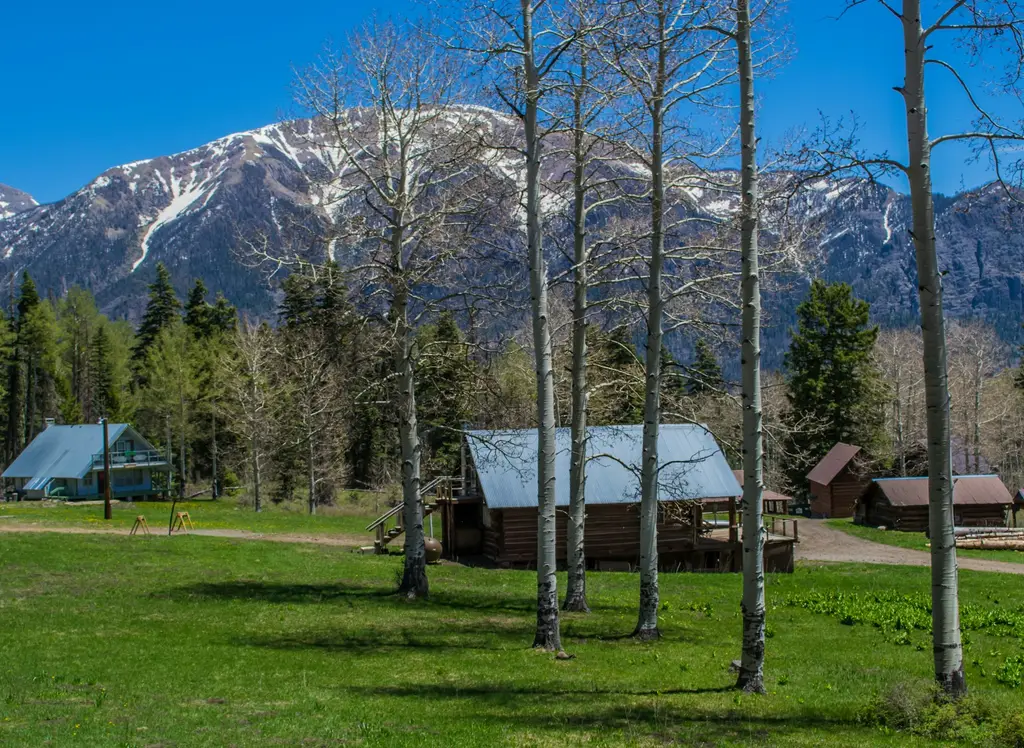
Spring (April-May)
Spring brings thawing snows, replenishing water sources, and the start of the short but intense growing season in many areas. It is a crucial time for preparing gardens, maintaining infrastructure after winter, and assessing land conditions.
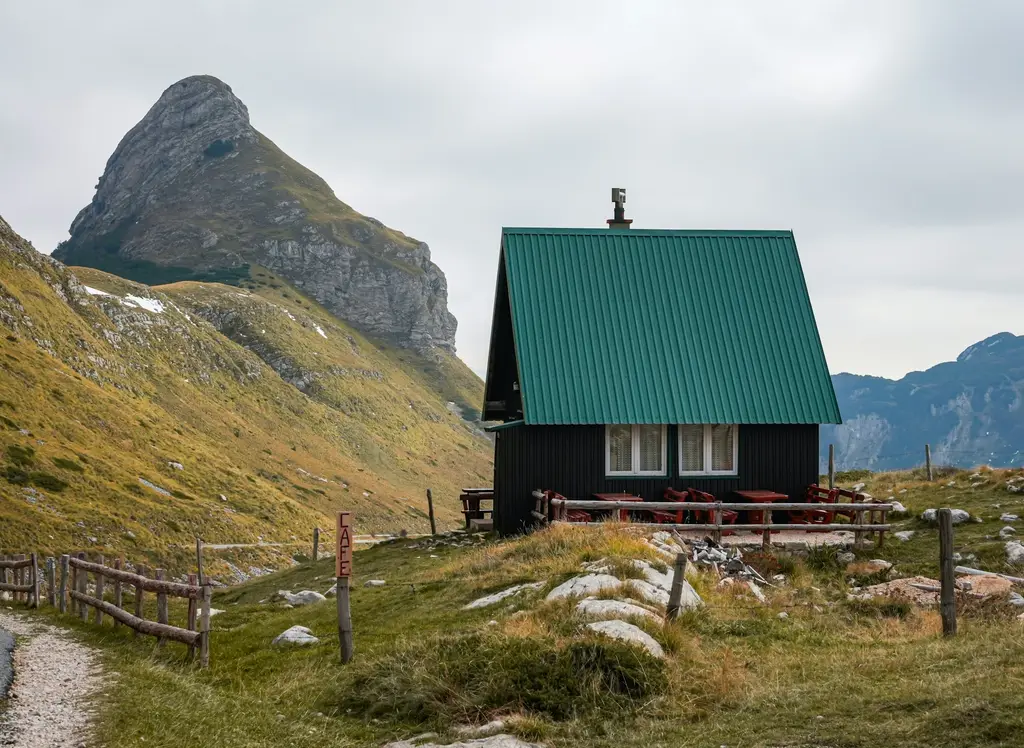
Summer (June-August)
Summers are typically warm and dry, ideal for harvesting, building projects, and enjoying the outdoors. Water conservation becomes paramount, especially in southern and central Idaho, while solar energy production is at its peak.
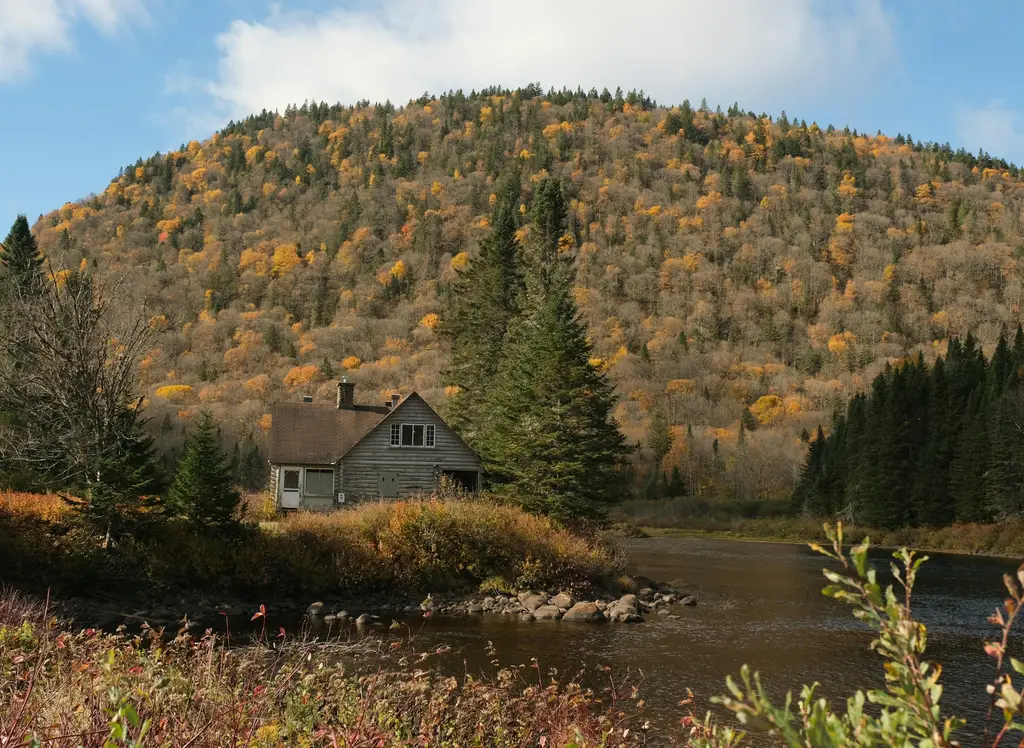
Fall (September-October)
Fall is a period of intense preparation for winter, including harvesting late crops, gathering firewood, and winterizing systems. Wildlife activity increases, offering hunting opportunities where permitted and managed.
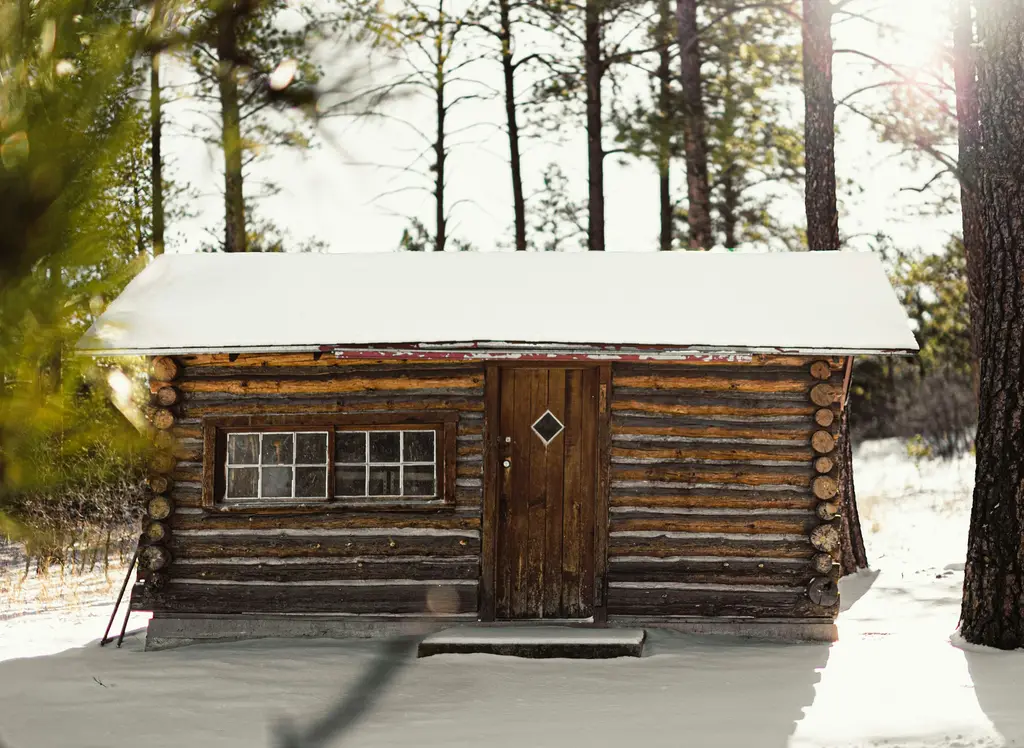
Winter (November-March)
Winters are long and often severe, especially at higher elevations, requiring robust shelter, reliable heating, and substantial food stores. Road access can be limited, emphasizing the need for self-reliance and preparedness.
Free tools
Your free outdoor toolkit

Everything Map
Listings, trails, spots, clubs and public land on a single full-screen map. Switch layers on and off, then tap any point for the details.
Open Everything MapProperty Lines Map
Property lines from your state’s own public parcel records on satellite imagery. Search an address and tap a parcel for its parcel ID, size, and owner where the state publishes it.
Open Property Lines MapLand Report
Check land before you buy it: the FEMA flood zone, how the soil rates for a septic system, elevation, solar, and the parcel owner, from government data.
Open Land ReportCabin Builder
Sketch a cabin in 3D, then export a blueprint and bill of materials. Nothing to install.
Open Cabin BuilderSolar Planner
Size panels, batteries, and an inverter from your appliance loads, with real sun data for your land.
Open Solar PlannerHomestead Planner
Trace your parcel on satellite imagery and place a cabin, well, septic, solar array, and garden.
Open Homestead Planner