Off-Grid Communities · Utah
Off-Grid Communities in Utah
Explore 3 communities across Utah. Maps, hours, contact info, photos, and verified operator profiles, all in one place.
Mighty Five national parks plus the Wasatch and the Uintas.
Updated
About Utah
3 on the map
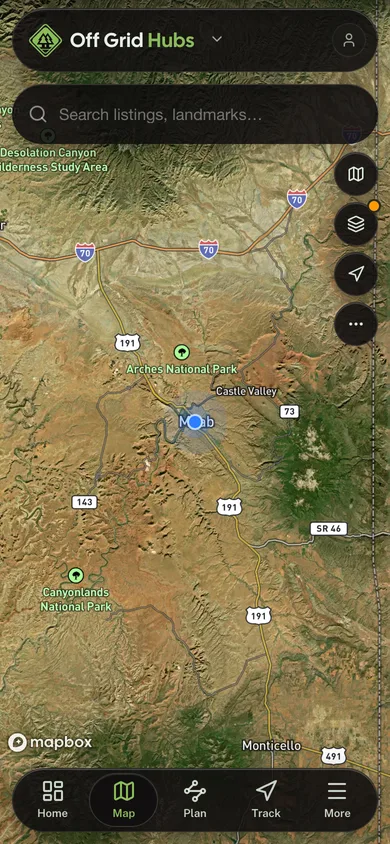
Tap a pin to open its profile.
Quick facts
- Communities listed
- 3
- Best season
- April through October
At a glance
Off-Grid Communities in Utah at a glance
All 3 communities listed in Utah. Ratings and review counts are from Google. A blank cell means we do not have that detail yet.
| Community | City | Rating |
|---|---|---|
| Cedar Highlands | Cedar Highlands | |
| Garden Valley Ranchos | Modena | 3.47 Google reviews |
| Riverbed Ranch |
All listings
3 communities
across Utah
Plan your trip
Plan your trip to Utah
Rainwater Harvesting
Rainwater collection is legal in Utah for beneficial uses. You may collect up to 200 gallons in no more than two covered containers without registration; storing more (up to a 2,500-gallon maximum), requires a free registration with the Utah Division of Water Rights.
Wastewater & Composting Toilets
On-site wastewater treatment, including septic systems and composting toilets, is regulated by county health departments. Permits are typically required for installation and operation, with specific design and setback requirements to prevent contamination.
Building Codes & Minimum Dwellings
Utah adopts state-level building codes. While owner-builder exemptions may exist, minimum dwelling sizes and permanent foundation requirements are common. Some rural counties, such as San Juan, Uintah, or Box Elder, may offer more flexibility or have fewer enforcement resources, but always verify current regulations directly with the county planning and zoning department.
Water Rights & Well Permits
Utah operates under the doctrine of prior appropriation, meaning "first in time, first in right." A well permit is required to drill a well, and obtaining water rights for significant use can be a complex process, often requiring an application and approval from the State Engineer.
Solar Exposure & Net Metering
Utah boasts excellent solar potential across most of the state. Net metering policies are in place, allowing grid-tied solar owners to receive credit for excess energy fed back to the grid, though specific terms vary by utility provider (e.g., Rocky Mountain Power).
Property Tax & Road Access
Property taxes vary significantly by county and assessed value; raw land is typically taxed lower than developed property. Remote parcels may have limited or unmaintained road access, especially in winter, which is a critical consideration for off-grid logistics and emergency services.
Confirm current requirements with the state agency before your trip. Rules and fees change every season.
Well Drilling Permit
A permit from the Utah Division of Water Rights is required before drilling any new well to access groundwater. This ensures proper well construction and adherence to state water resource management plans.
Utah Division of Water RightsSeptic System Permit
Any on-site wastewater disposal system, including septic tanks or alternative systems, must be permitted and inspected by the local county health department to ensure it meets public health and environmental standards.
Building Permit
Most permanent structures, including off-grid homes, require a building permit from the local county or municipal planning department. This ensures compliance with structural integrity, safety, and zoning regulations.
Rainwater Collection Registration
While rainwater collection for beneficial use is legal, storing more than 200 gallons (up to the 2,500-gallon maximum allowed), requires a free registration with the Utah Division of Water Rights to monitor overall water resource usage.
Utah Division of Water Rights
- 01
1. Research County Zoning and Building Codes
Begin by identifying counties known for more lenient or flexible off-grid regulations and thoroughly investigate their specific zoning ordinances, building codes, and minimum dwelling size requirements.
- 02
2. Understand Water Rights and Availability
Water is paramount in Utah. Research the availability of groundwater or surface water in your target area and understand the process for acquiring water rights and well permits from the Utah Division of Water Rights.
- 03
3. Evaluate Land Characteristics and Access
Assess potential properties for factors like solar exposure, soil quality for gardening, topography for building, and year-round road access, especially considering winter conditions in higher elevations.
- 04
4. Connect with Existing Off-Grid Communities or Homesteaders
Engage with local off-grid groups or individuals in Utah to gain practical insights, learn about regional challenges, and potentially find existing off-grid land opportunities or support networks.
- 05
5. Plan for Essential Off-Grid Infrastructure
Develop a comprehensive plan for your water collection and storage, power generation (solar, wind), waste management (septic, composting toilet), and heating solutions, ensuring compliance with local regulations.
01How many off-grid communities are in Utah?
02Is off-grid living legal in Utah?
03What are the challenges of water access for off-grid properties?
04Are there specific counties more amenable to off-grid building codes?
05What is the typical growing season in Utah for homesteading?
06How does property tax work for undeveloped land?
07What about internet access in rural off-grid areas?
When to go
Season by season in Utah
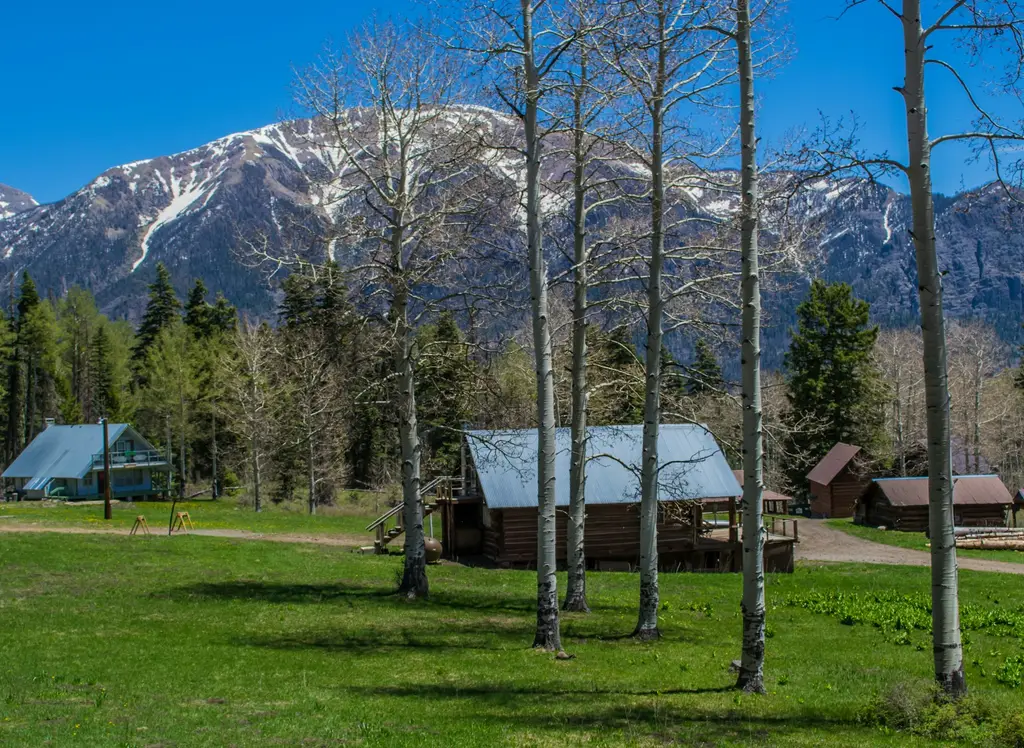
Spring (March - May)
Snowmelt replenishes water sources and signals the start of the growing season in lower elevations, while higher regions experience thawing and mud. It's a critical time for garden preparation and assessing winter damage.
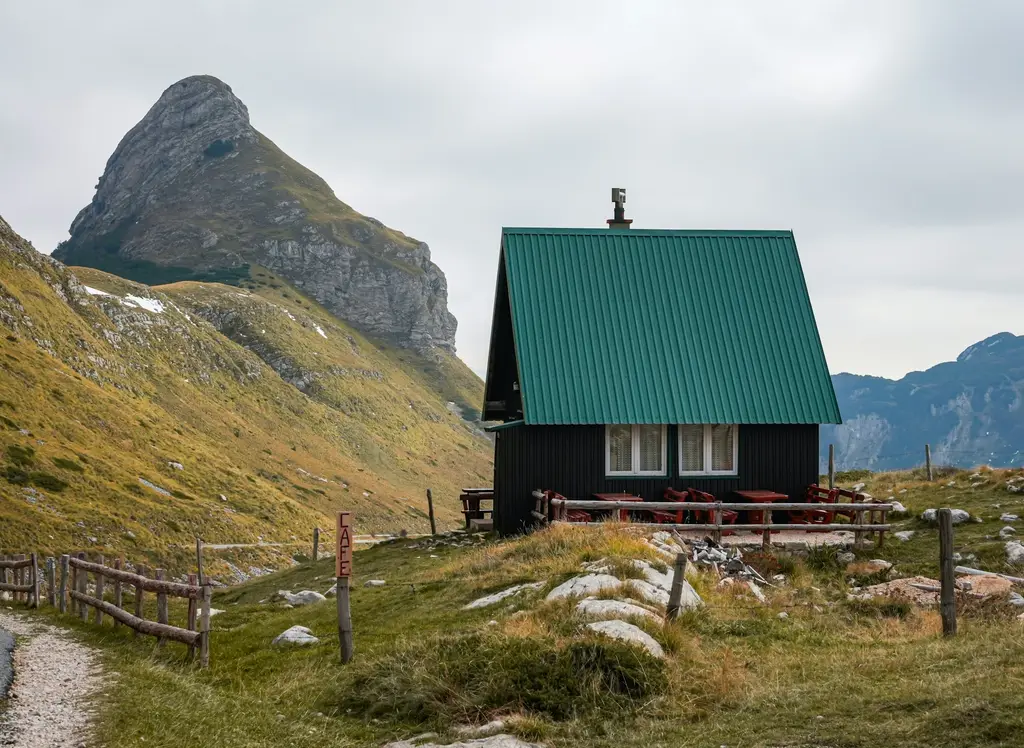
Summer (June - August)
Long, hot days maximize solar energy production, but also necessitate diligent water conservation and fire mitigation efforts, especially in the arid southern and western parts of the state.
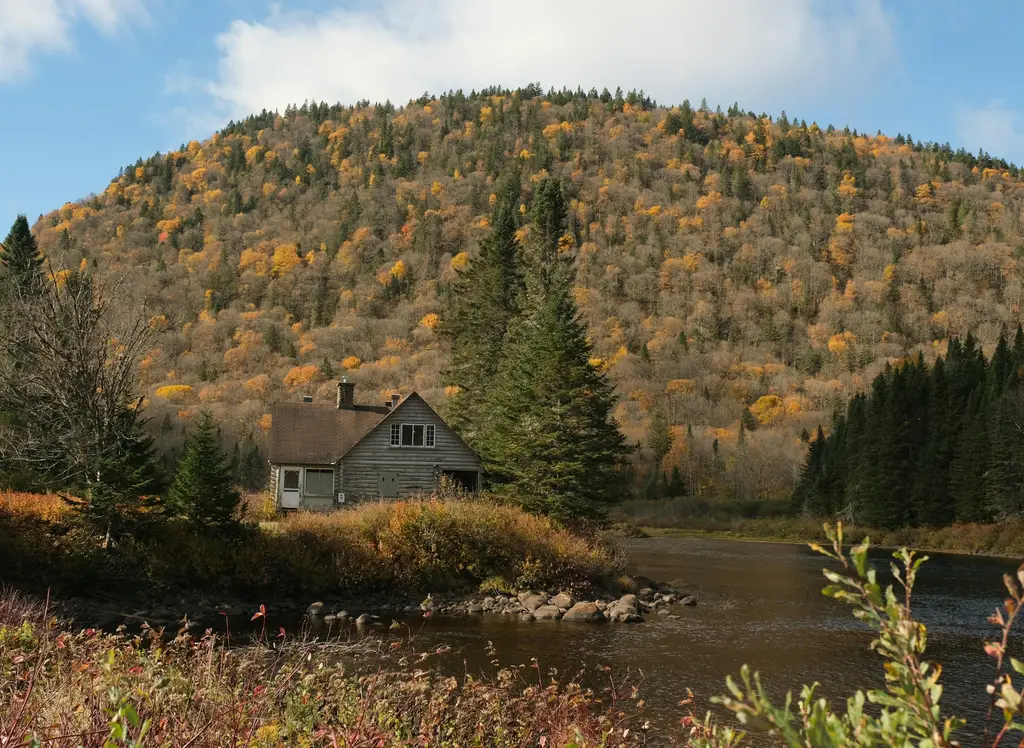
Fall (September - November)
Milder temperatures are ideal for harvesting, preparing gardens for winter, and completing outdoor construction projects before the first snows arrive, particularly in mountain regions.
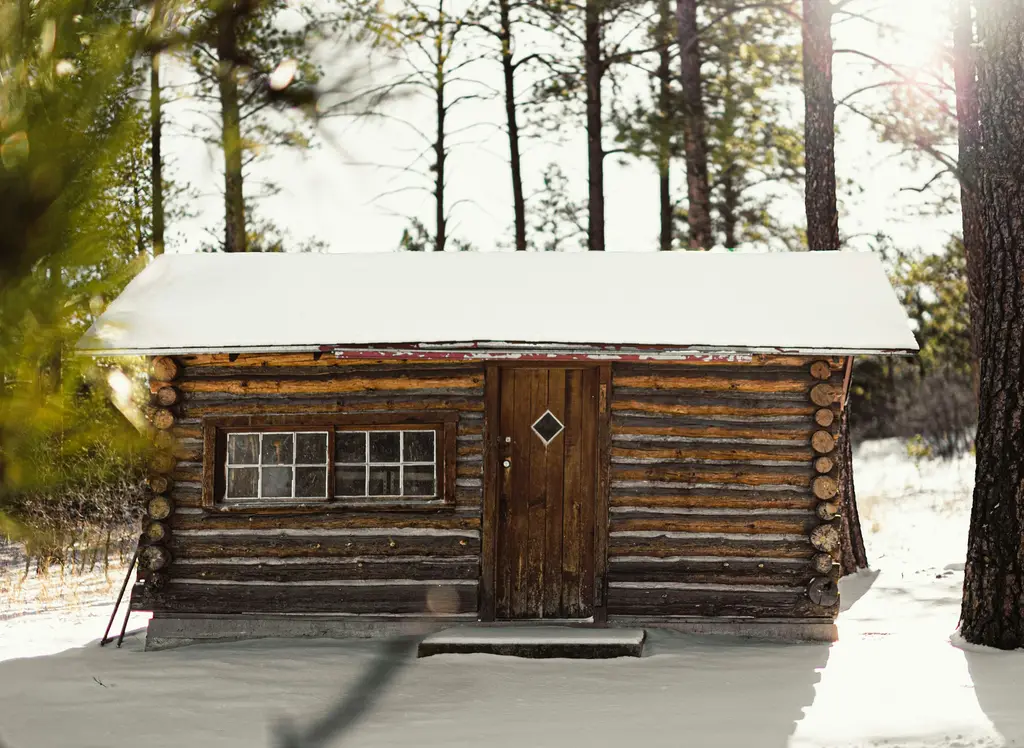
Winter (December - February)
Cold temperatures and significant snowfall, especially in the mountains, demand robust heating solutions and can limit access. It's a period for maintenance, energy management, and enjoying solitude.
Free tools
Your free outdoor toolkit

Everything Map
Listings, trails, spots, clubs and public land on a single full-screen map. Switch layers on and off, then tap any point for the details.
Open Everything MapProperty Lines Map
Property lines from your state’s own public parcel records on satellite imagery. Search an address and tap a parcel for its parcel ID, size, and owner where the state publishes it.
Open Property Lines MapLand Report
Check land before you buy it: the FEMA flood zone, how the soil rates for a septic system, elevation, solar, and the parcel owner, from government data.
Open Land ReportCabin Builder
Sketch a cabin in 3D, then export a blueprint and bill of materials. Nothing to install.
Open Cabin BuilderSolar Planner
Size panels, batteries, and an inverter from your appliance loads, with real sun data for your land.
Open Solar PlannerHomestead Planner
Trace your parcel on satellite imagery and place a cabin, well, septic, solar array, and garden.
Open Homestead Planner
Keep exploring