Off-Grid Communities · New Mexico
Off-Grid Communities in New Mexico
Explore 14 communities across New Mexico. Maps, hours, contact info, photos, and verified operator profiles, all in one place.
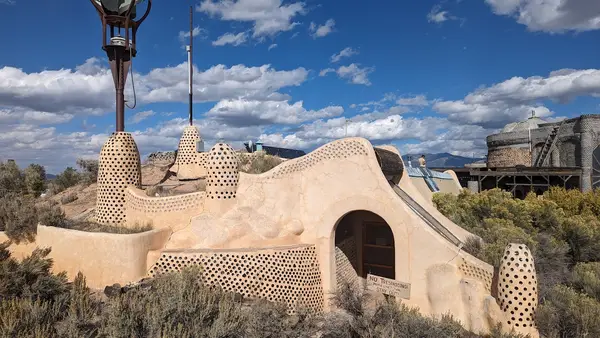
Sky islands, the Rio Grande, and high-desert mesa country.
Updated
About New Mexico
14 on the map
Tap a pin to open its profile.
Quick facts
- Communities listed
- 14
- Best season
- April through November
At a glance
Off-Grid Communities in New Mexico at a glance
The first 10 of 14 communities listed in New Mexico, in the same order as the full list below. Ratings and review counts are from Google. A blank cell means we do not have that detail yet.
| Community | City | Rating |
|---|---|---|
| City of the Sun | City of the Sun | |
| El Dorado Estates | ||
| Estancia Ranchettes | ||
| Greater World | El Prado | 4.5415 Google reviews |
| Lama Foundation | Questa | 4.214 Google reviews |
| Ranchos del Vado | ||
| Rio del Oro | Los Lunas | 4.25 Google reviews |
| Rio Grande Estates | Rio Communities | |
| Rio Rancho Estates | Rio Rancho Estates | |
| Sunshine Valley Ranchettes | Deming | 5.01 Google review |
All listings
14 communities
across New Mexico
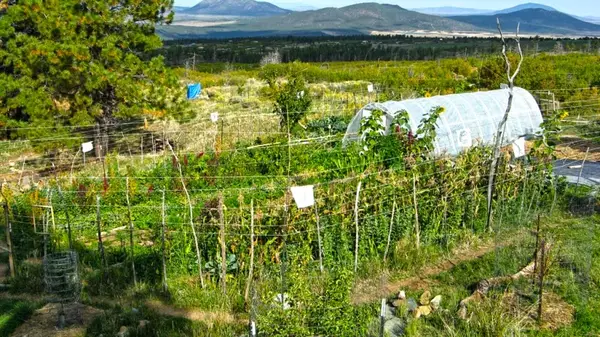
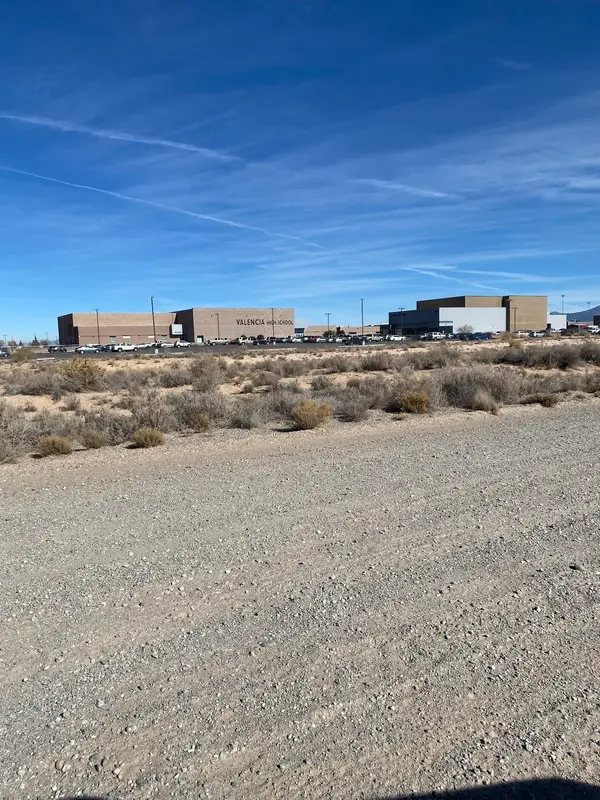
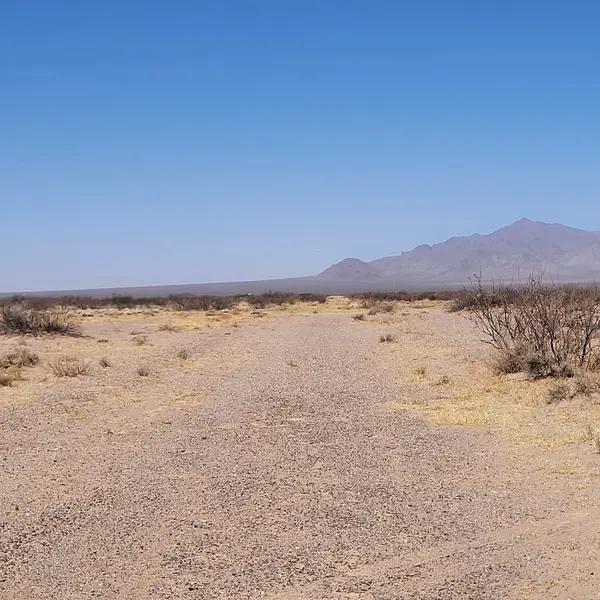
Watch it live
Live webcams in New Mexico
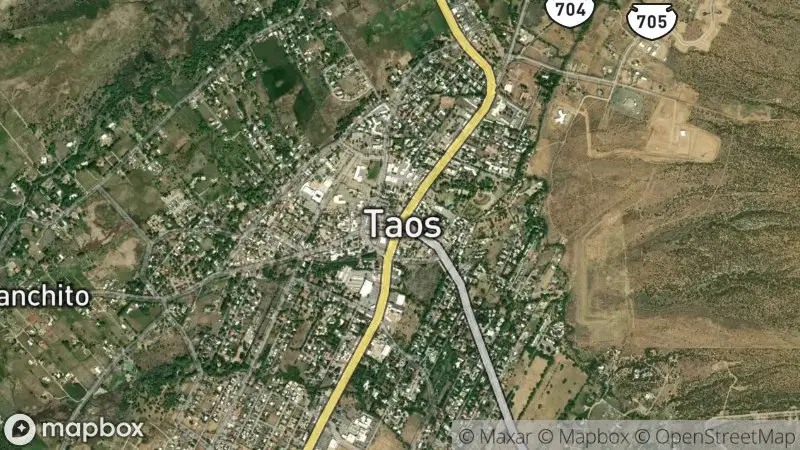 Location
Taos Plaza Live Cam
via Made in New Mexico
Watch livePlan your trip
Plan your trip to New Mexico
Rainwater Harvesting Rules
New Mexico has some of the most progressive rainwater harvesting laws in the US. It is legal to collect rainwater statewide, and the state encourages its use for non-potable purposes. For potable use, specific guidelines from the New Mexico Environment Department (NMED) must be followed to ensure water quality, which often involves filtration and disinfection.
Wastewater and Composting Toilets
Septic systems require permits from the New Mexico Environment Department. Greywater systems, which reuse water from sinks and showers, are also permitted with specific regulations. Composting toilets are generally allowed, but local county health departments may have specific installation and maintenance requirements, and they often cannot be the sole toilet facility in a primary dwelling without an approved greywater system or other wastewater disposal method.
Building Codes and Minimum Dwelling Sizes
New Mexico enforces a statewide building code, but enforcement and specific requirements can vary significantly by county. Some rural counties, such as Catron, Luna, and Socorro, are known for more lenient zoning or owner-builder provisions, allowing for alternative construction methods or smaller dwellings. Always verify with the specific county planning and zoning department.
Well Permits and Water Rights
Water rights are paramount in New Mexico and are administered by the Office of the State Engineer. A household domestic-well permit, by contrast, is issued largely as of right and does not require existing water rights; only larger agricultural or commercial appropriations turn on proof of availability and rights that are typically adjudicated or transferred with land. It is crucial to research water rights associated with any prospective property before purchase.
Solar Exposure and Net Metering
New Mexico boasts excellent solar resources with high sun exposure year-round. While off-grid systems operate independently, grid-tied systems can benefit from net metering policies offered by local utility companies, allowing customers to receive credit for excess solar energy fed back to the grid. For truly off-grid setups, ample battery storage and efficient energy use are key.
Road Access and County Maintenance
Many off-grid properties are accessed via unpaved county roads or private easements. County maintenance of these roads can be infrequent, especially in remote areas. Four-wheel drive vehicles are often necessary, particularly during monsoon season or winter. Prospective buyers should thoroughly inspect road conditions and understand maintenance responsibilities.
Confirm current requirements with the state agency before your trip. Rules and fees change every season.
Well Permit Application
Any new private domestic well in New Mexico requires a permit from the New Mexico Office of the State Engineer (OSE). For a household domestic well the OSE issues that permit largely as of right on application, no proof of water availability or hydrogeological survey is required, though in certain declared basins or domestic-well management areas the permit can carry well-spacing or metering conditions. Existing wells must also be properly recorded.
New Mexico OSELiquid Waste Disposal Permit
For any on-site liquid waste disposal system, including septic tanks, greywater systems, and alternative treatment units, a permit from the New Mexico Environment Department (NMED) is mandatory. These permits ensure proper design, installation, and operation to protect public health and the environment.
Building Permits and Inspections
Most new construction, significant renovations, or additions to dwellings require building permits from the relevant county or municipal planning department. These permits ensure compliance with the New Mexico Building Code. Requirements and enforcement vary, so verify with the local authority where the property is located.
Water Rights Adjudication
New Mexico operates under the doctrine of prior appropriation, meaning 'first in time, first in right.' Water rights are separate from land ownership and must be adjudicated or transferred. For properties relying on surface water or shared groundwater, understanding and securing water rights is a critical legal requirement often overseen by the OSE.
- 01
Research County Regulations
Identify counties with building codes and zoning ordinances that align with your off-grid vision, especially regarding minimum dwelling size, alternative construction, and wastewater systems. Counties like Catron, Luna, and Socorro are often cited for their flexibility.
- 02
Assess Water Availability and Rights
Investigate the water situation for prospective land. Determine if there are existing water rights, the depth of the water table for well drilling, or the feasibility of rainwater harvesting. Engage with the New Mexico Office of the State Engineer early in your research.
- 03
Evaluate Site-Specific Resources
Beyond water, assess solar exposure, wind patterns, and soil quality. Understand the microclimate of the property to plan for energy generation, agricultural potential, and appropriate building orientation for passive heating and cooling.
- 04
Plan for Access and Infrastructure
Consider road access, distance to services (medical, groceries, supplies), and potential for internet connectivity. Evaluate the practicalities of transporting materials and managing emergencies in remote locations.
- 05
Connect with Local Off-Grid Communities
Seek out existing off-grid communities or homesteaders in areas of interest. Their practical experience and local knowledge can be invaluable for understanding the realities, challenges, and opportunities of living off-grid in New Mexico.
01How many off-grid communities are in New Mexico?
02Is rainwater harvesting legal for off-grid homes in New Mexico?
03What are the rules regarding composting toilets and greywater systems?
04Are there specific counties in New Mexico known for more relaxed building codes for off-grid living?
05How do water rights affect purchasing off-grid land in New Mexico?
06What is the typical growing season for a homestead in New Mexico?
07Is it possible to get internet access in remote off-grid areas of New Mexico?
When to go
Season by season in New Mexico
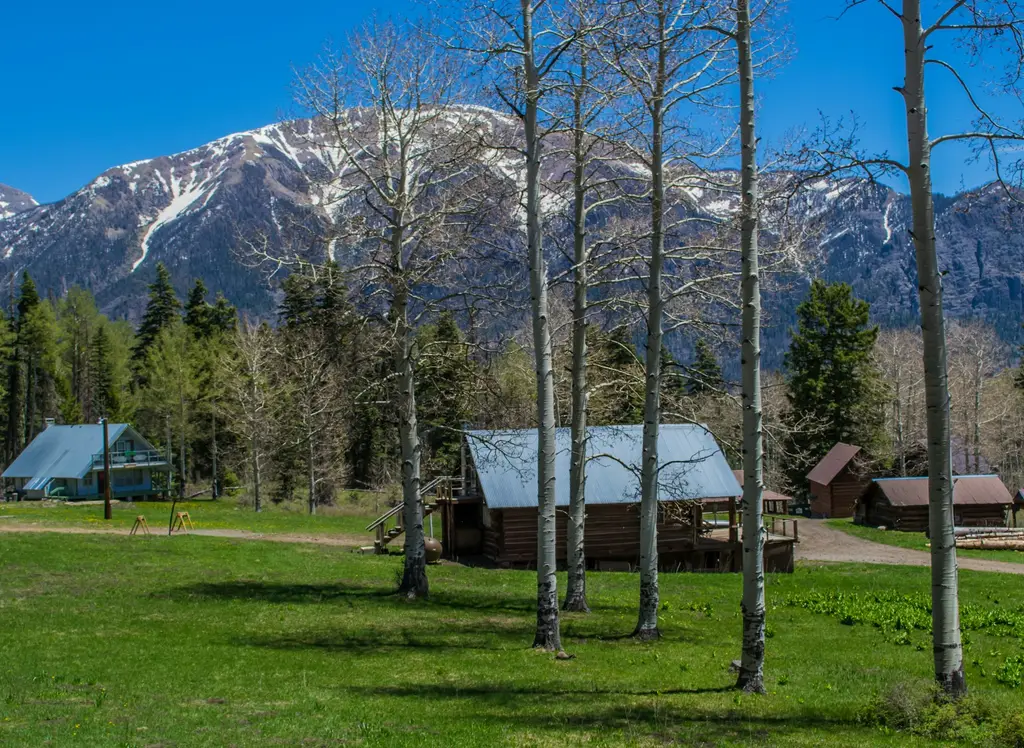
Spring (March-May)
Spring brings warming temperatures and often strong winds, ideal for preparing gardens and initiating outdoor construction projects. Snowmelt in higher elevations contributes to water tables, but overall precipitation remains low, emphasizing water conservation from the outset.
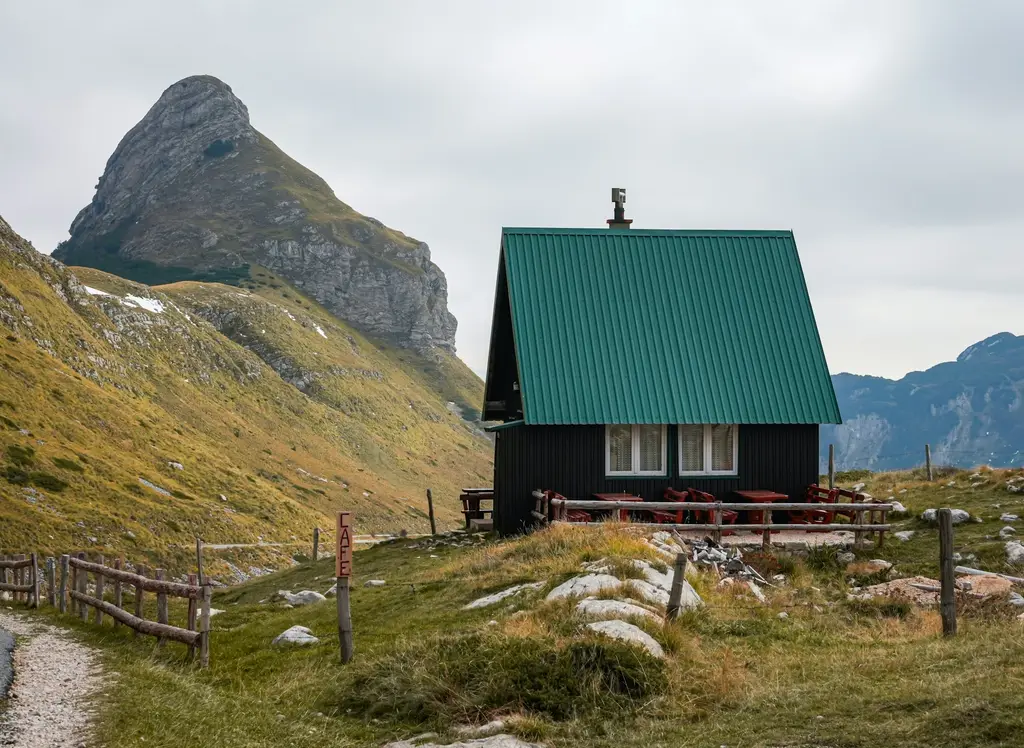
Summer (June-August)
Summers are hot and intense, particularly in the lower elevations, with the monsoon season typically bringing afternoon thunderstorms from July to September. This period is crucial for rainwater harvesting and managing solar panel efficiency under high heat conditions.
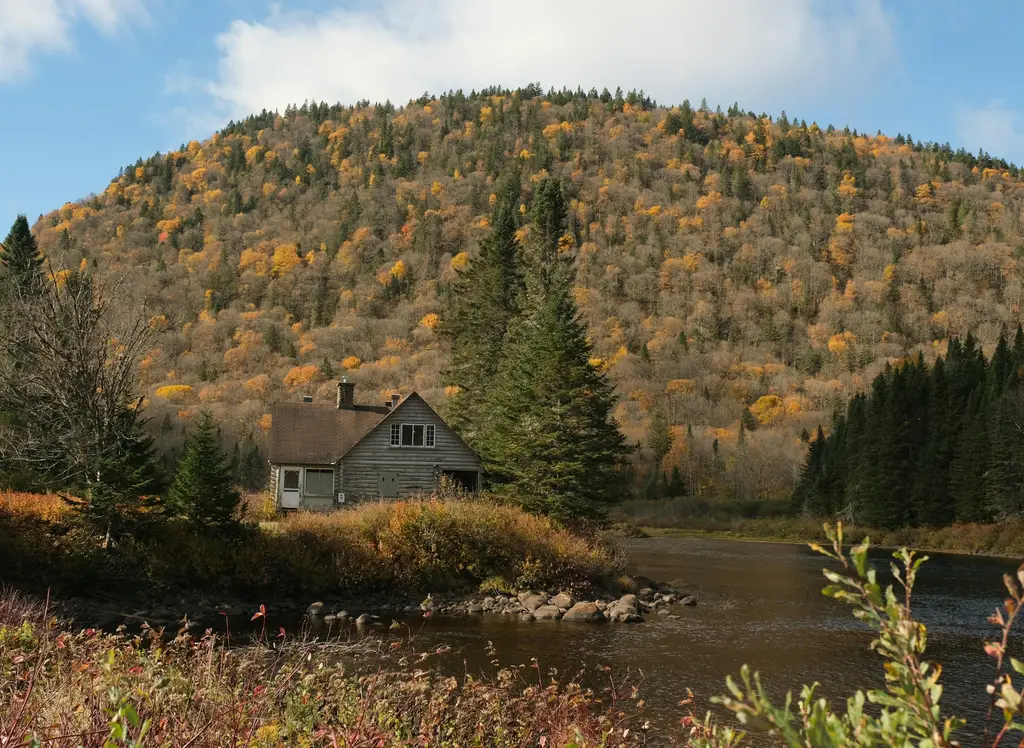
Fall (September-November)
Fall offers pleasant, crisp weather, making it an excellent time for harvesting, winterizing structures, and continued outdoor work. The cooler temperatures reduce reliance on cooling systems, allowing for a more comfortable period of maintenance and preparation.
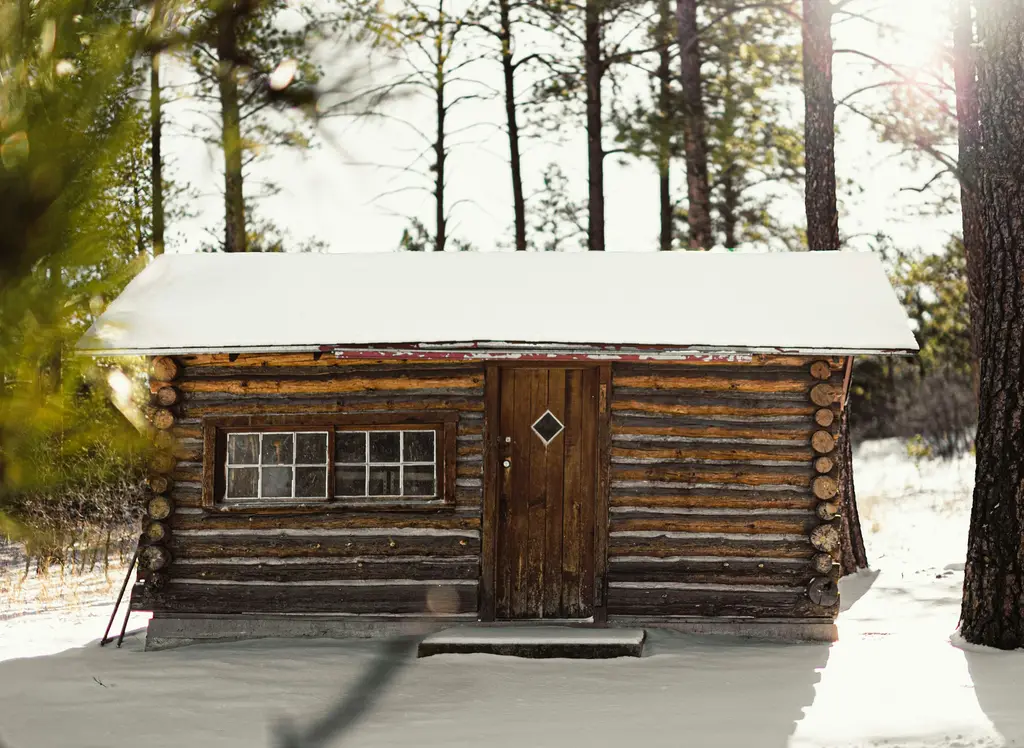
Winter (December-February)
Winters vary significantly by elevation, from mild in the southern deserts to heavy snowfall in the northern mountains. Energy management becomes critical, with shorter daylight hours impacting solar production and increased demand for heating.
Free tools
Your free outdoor toolkit

Everything Map
Listings, trails, spots, clubs and public land on a single full-screen map. Switch layers on and off, then tap any point for the details.
Open Everything MapProperty Lines Map
Property lines from your state’s own public parcel records on satellite imagery. Search an address and tap a parcel for its parcel ID, size, and owner where the state publishes it.
Open Property Lines MapLand Report
Check land before you buy it: the FEMA flood zone, how the soil rates for a septic system, elevation, solar, and the parcel owner, from government data.
Open Land ReportCabin Builder
Sketch a cabin in 3D, then export a blueprint and bill of materials. Nothing to install.
Open Cabin BuilderSolar Planner
Size panels, batteries, and an inverter from your appliance loads, with real sun data for your land.
Open Solar PlannerHomestead Planner
Trace your parcel on satellite imagery and place a cabin, well, septic, solar array, and garden.
Open Homestead Planner

Keep exploring