Off-Grid Communities · Nevada
Off-Grid Communities in Nevada
Explore 5 communities across Nevada. Maps, hours, contact info, photos, and verified operator profiles, all in one place.
Great Basin desert, Sierra eastside, and the loneliest road in America.
Updated
About Nevada
5 on the map
Tap a pin to open its profile.
Quick facts
- Communities listed
- 5
- Best season
- October through May
At a glance
Off-Grid Communities in Nevada at a glance
All 5 communities listed in Nevada. Ratings and review counts are from Google. A blank cell means we do not have that detail yet.
| Community | City | Rating |
|---|---|---|
| Cold Creek | Cold Creek | |
| Humboldt River Ranch | Lovelock | 4.828 Google reviews |
| Mountain Meadow Ranches | ||
| Sunland Acres | ||
| Twin River Ranchos |
All listings
5 communities
across Nevada
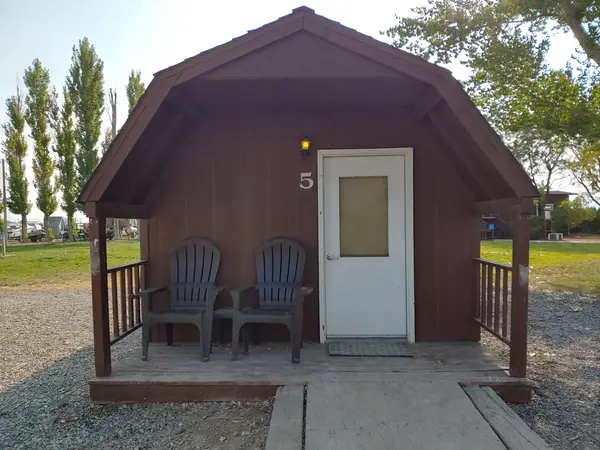
Plan your trip
Plan your trip to Nevada
Water Rights and Well Permits
Nevada operates under the doctrine of prior appropriation, meaning 'first in time, first in right' for water use. Acquiring water rights or a well permit is a complex and often lengthy process, crucial for any off-grid property. It is imperative to research existing water rights tied to a property or the feasibility of obtaining new ones through the Nevada Division of Water Resources.
Building Codes and Owner-Builder Exemptions
Building codes are typically enforced at the county level. While some rural counties, such as parts of Nye or Esmeralda, may have more relaxed regulations or owner-builder exemptions for non-commercial structures, full compliance with safety standards is always recommended. Always verify specific requirements with the local county building department before beginning any construction.
Wastewater and Septic Systems
Proper wastewater management is legally required. Composting toilets may be permitted in some jurisdictions, but their use often requires specific approval and adherence to health department guidelines. Conventional septic systems require permits from the county health department and must meet state and local environmental standards for design and installation.
Solar Exposure and Energy
Nevada boasts excellent solar insolation, making photovoltaic systems highly efficient for off-grid power generation. While net metering applies to grid-tied systems, off-grid setups are independent. Planning for battery storage capacity and backup generation is essential to ensure consistent power supply, especially during shorter winter days or extended cloudy periods.
Road Access and Maintenance
Many off-grid properties are accessed via unpaved, unmaintained county roads or private easements. Evaluating year-round accessibility, especially after heavy rains or snow, is critical. Considerations for vehicle type, road maintenance responsibilities, and the cost of upgrading access should be factored into property assessments.
Confirm current requirements with the state agency before your trip. Rules and fees change every season.
Water Rights and Permitting
Most uses of public water in Nevada require a permit from the State Engineer, but a single-family domestic well drawing no more than 2 acre-feet per year is exempt from that permit requirement (NRS 534.180): the driller still files a well log, and in designated or over-appropriated basins the State Engineer may require the well to be registered, metered, or otherwise restricted. This process can be lengthy and involves proving beneficial use and non-interference with existing rights. It is crucial to understand the water rights associated with any potential land purchase.
Nevada Division of Water ResourcesSeptic System Permits
The installation of a septic system or other on-site wastewater disposal system requires a permit from the local county health department. Designs must adhere to state and local regulations to prevent contamination. Even for composting toilets, local health department approval may be necessary.
Building Permits and Zoning
Most new construction, even off-grid, requires building permits from the county building department to ensure structures meet safety and structural codes. Zoning ordinances also dictate allowed land uses and minimum dwelling sizes, which vary significantly by county and specific zone. Always verify local requirements before purchasing land or beginning construction.
- 01
Understand Nevada's Water Laws
Begin by researching Nevada's complex water rights and permitting system. Ascertain if the land has existing water rights, access to a shared well, or the feasibility of drilling a new well and obtaining the necessary permits. Water availability is the primary determinant for sustainable off-grid living.
- 02
Investigate County Zoning and Building Codes
Contact the planning and building departments of prospective counties. Inquire about zoning restrictions, minimum dwelling sizes, requirements for off-grid infrastructure (solar, septic), and any owner-builder exemptions. Regulations vary widely and can significantly impact your homestead plans.
- 03
Assess Land Access and Topography
Thoroughly evaluate road access to the property, considering year-round usability and maintenance. Examine the land's topography for suitable building sites, water catchment areas, and solar exposure. Remote properties may require significant investment in access improvements.
- 04
Plan for Energy and Waste Management
Given Nevada's sun, plan for a robust solar power system with adequate battery storage. Simultaneously, research approved methods for wastewater treatment, whether a conventional septic system or an approved alternative like a composting toilet, ensuring compliance with local health regulations.
- 05
Connect with Local Resources and Communities
Seek out existing off-grid communities, homesteading groups, or local experts in the region of interest. Their practical experience and knowledge of local conditions, suppliers, and challenges can be invaluable for navigating the unique aspects of off-grid living in Nevada.
01How many off-grid communities are in Nevada?
02Is off-grid living legal in Nevada?
03What are the biggest water challenges for off-gridders in Nevada?
04Are there any counties with lenient building codes for off-grid homes?
05How good is Nevada for solar power?
06What is the growing season like for homesteaders in Nevada?
07What are the property taxes like in rural Nevada?
When to go
Season by season in Nevada
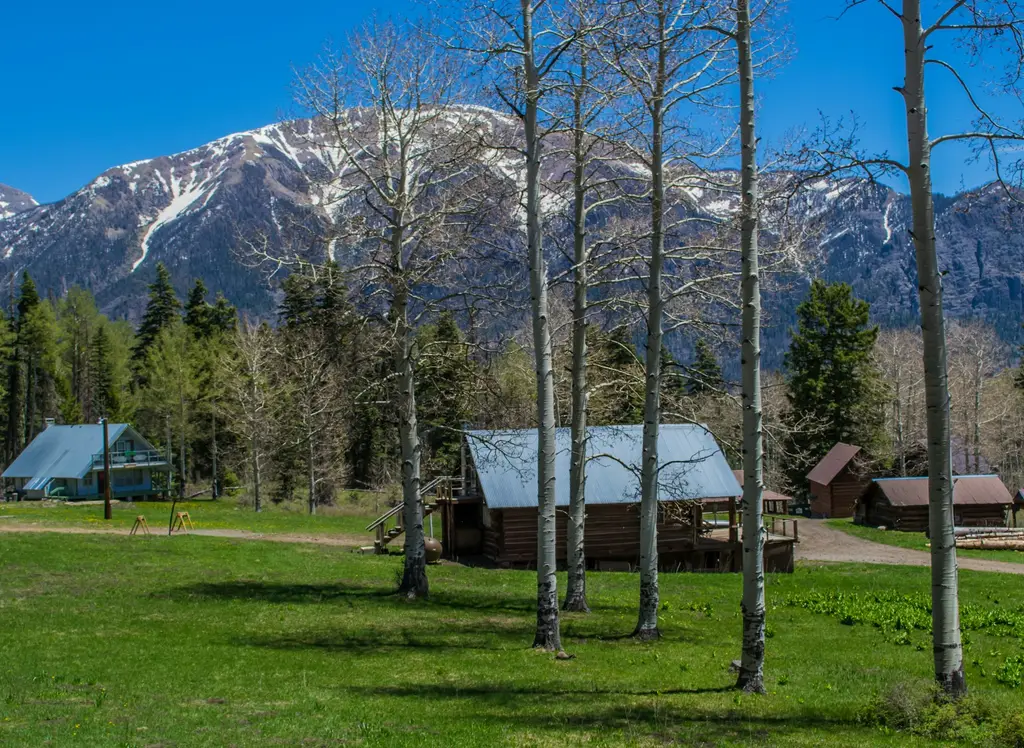
Spring (March-May)
Spring brings milder temperatures and a brief window for planting cold-hardy crops. Water runoff from melting snow in higher elevations can temporarily replenish some sources, but planning for persistent aridity is essential.
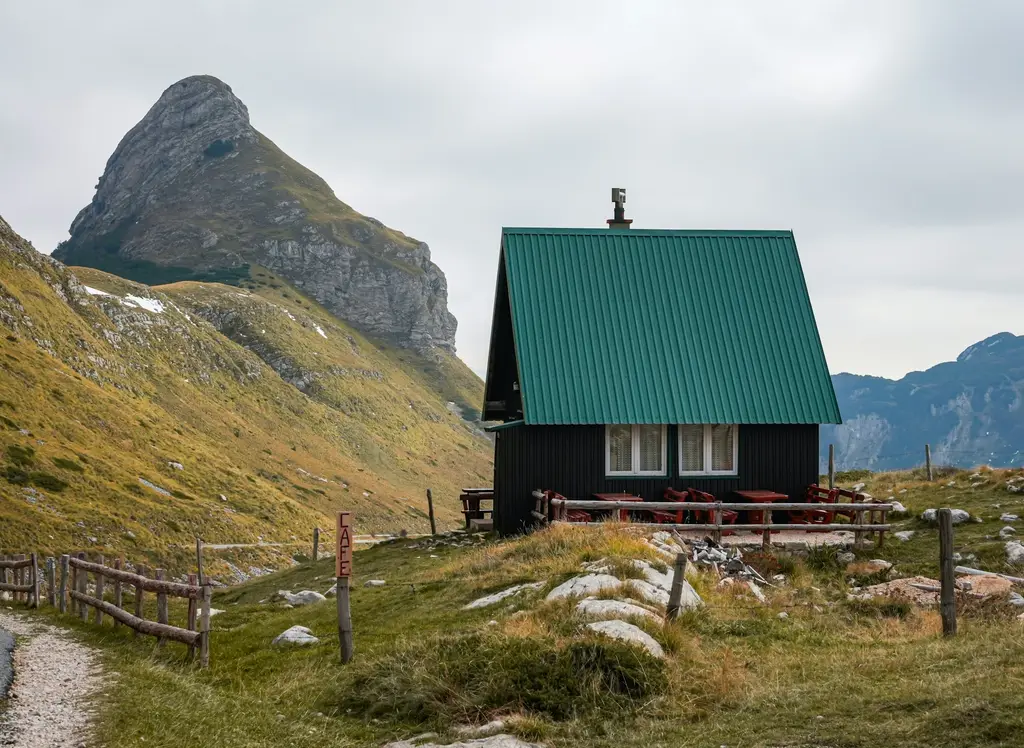
Summer (June-August)
Summers are intensely hot and dry across much of the state, requiring robust shade structures, efficient water management, and careful consideration for cooling systems to maintain comfortable living conditions.
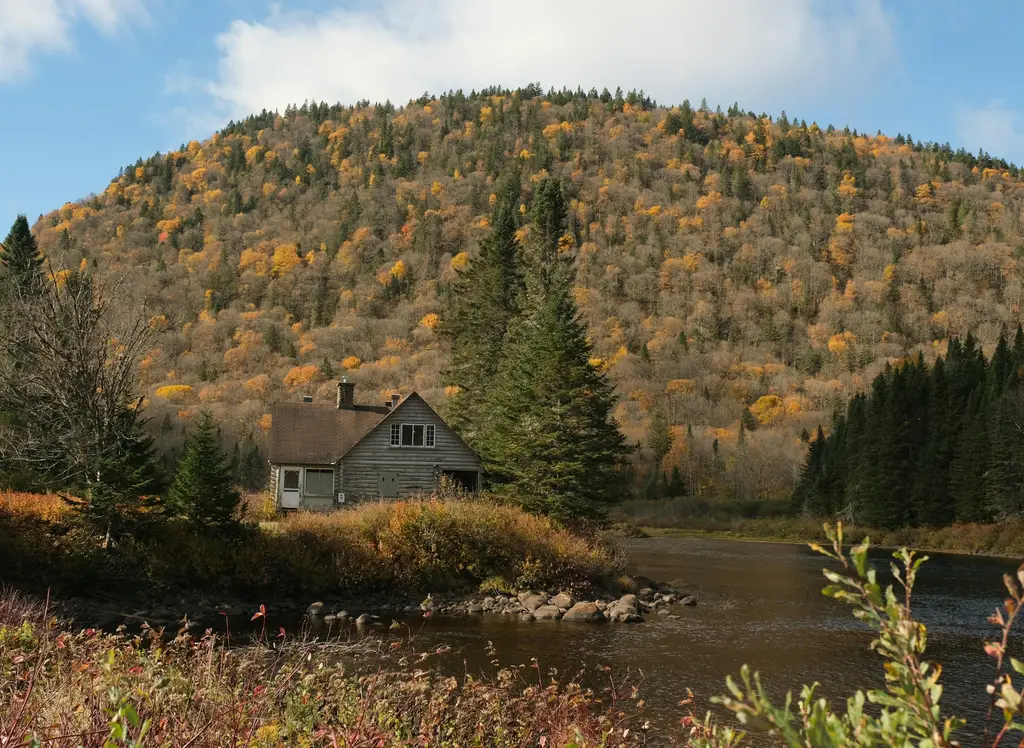
Fall (September-November)
Fall offers pleasant temperatures, ideal for outdoor work, harvesting late-season crops, and preparing infrastructure for winter. This is a critical period for securing resources and addressing maintenance needs.
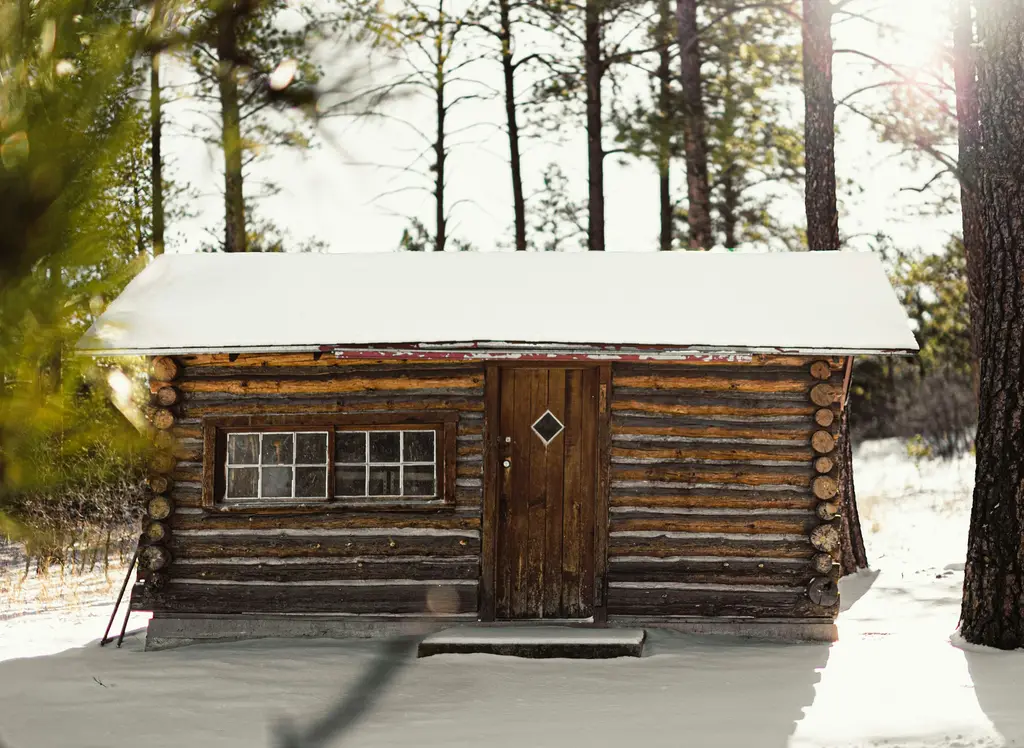
Winter (December-February)
Winters vary significantly by elevation; northern and mountainous regions experience heavy snow and freezing temperatures, necessitating reliable heating solutions and insulation. Southern valleys are milder but still require cold-weather preparations.
Free tools
Your free outdoor toolkit

Everything Map
Listings, trails, spots, clubs and public land on a single full-screen map. Switch layers on and off, then tap any point for the details.
Open Everything MapProperty Lines Map
Property lines from your state’s own public parcel records on satellite imagery. Search an address and tap a parcel for its parcel ID, size, and owner where the state publishes it.
Open Property Lines MapLand Report
Check land before you buy it: the FEMA flood zone, how the soil rates for a septic system, elevation, solar, and the parcel owner, from government data.
Open Land ReportCabin Builder
Sketch a cabin in 3D, then export a blueprint and bill of materials. Nothing to install.
Open Cabin BuilderSolar Planner
Size panels, batteries, and an inverter from your appliance loads, with real sun data for your land.
Open Solar PlannerHomestead Planner
Trace your parcel on satellite imagery and place a cabin, well, septic, solar array, and garden.
Open Homestead Planner

Keep exploring