Off-Grid Communities · Hawaii
Off-Grid Communities in Hawaii
Explore 14 communities across Hawaii. Maps, hours, contact info, photos, and verified operator profiles, all in one place.
Volcanic peaks rising 13,000 feet from a tropical Pacific.
Updated
About Hawaii
14 on the map
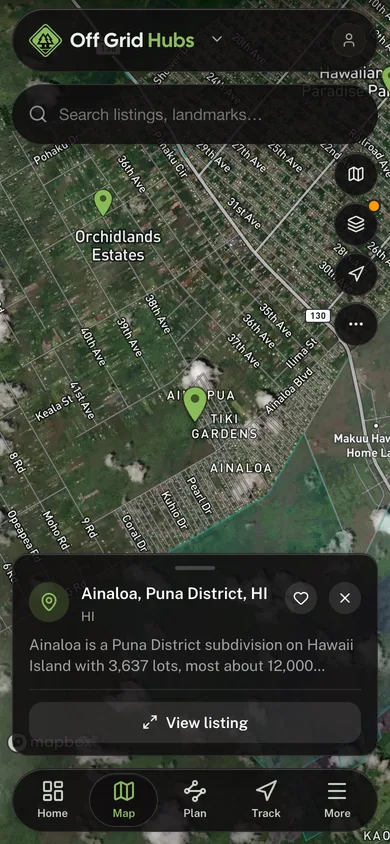
Tap a pin to open its profile.
Quick facts
- Communities listed
- 14
- Best season
- Year-round
At a glance
Off-Grid Communities in Hawaii at a glance
The first 10 of 14 communities listed in Hawaii, in the same order as the full list below. Ratings and review counts are from Google. A blank cell means we do not have that detail yet.
| Community | City | Rating |
|---|---|---|
| Ainaloa | ||
| Eden Roc | Eden Roc | |
| Fern Forest | Fern Forest | |
| Hawaiian Acres | Hawaiian Acres | |
| Hawaiian Ocean View Estates | Ocean View | |
| Hawaiian Ocean View Ranchos | Ocean View | |
| Hawaiian Paradise Park | Hawaiian Paradise Park | |
| Kalapana Sea View Estates | Seaview | |
| Kehena Beach Estates | ||
| Kona Paradise | Captain Cook | 4.327 Google reviews |
All listings
14 communities
across Hawaii
Plan your trip
Plan your trip to Hawaii
Rainwater Harvesting Regulations
Rainwater catchment is widely practiced and generally encouraged in Hawaii, especially on the Big Island. For potable use, systems must meet specific Department of Health guidelines regarding filtration, disinfection (UV light is common), and storage, though specific permitting for small residential systems can vary by county. Always verify local requirements.
Wastewater and Composting Toilets
Septic systems (individual wastewater systems) require permits from the state Hawaii Department of Health's Wastewater Branch; Hawaii has no county health departments for this. Composting toilets are increasingly accepted but often require specific permits and site plans demonstrating proper installation and waste management, especially for greywater discharge. Requirements are typically stricter in more populated areas.
Building Codes and Owner-Builder Options
Building codes vary by county. Hawaii County (Big Island) is known for having some of the most flexible regulations for rural owner-builders, including provisions for alternative construction methods and reduced minimum dwelling sizes in certain agricultural zones. Other counties, such as Maui and Kauai, generally have stricter codes. Always consult the specific county's planning and permitting departments.
Water Rights and Well Permits
Access to groundwater via wells is possible but often expensive due to drilling depth and requires permits from the Commission on Water Resource Management (CWRM). Surface water rights are complex and highly regulated, making rainwater harvesting the most common and practical water source for many off-grid properties.
Solar Exposure and Net Metering
Hawaii boasts excellent solar exposure year-round. Solar photovoltaic systems are common, and while net metering policies have evolved, options for grid-tied or fully off-grid systems with battery storage are well-established. Incentives and interconnection rules are managed by Hawaiian Electric (HECO) and its subsidiaries, varying slightly by island.
Property Taxes and Agricultural Dedication
Property taxes are levied by each county and vary based on property value and land use classification. Agricultural dedication, where a portion of the land is actively farmed, can significantly reduce property tax assessments. Requirements for agricultural dedication vary by county but typically involve demonstrating commercial farming activity.
Confirm current requirements with the state agency before your trip. Rules and fees change every season.
Building Permits
Any new construction or significant alteration of a structure in Hawaii requires a building permit from the respective county's Department of Public Works. This includes dwellings, outbuildings, and major infrastructure like water tanks or foundations. Compliance ensures safety and adherence to local zoning and construction standards. Requirements and processes differ across counties.
Wastewater System Permits
Installation or modification of any wastewater system, including septic tanks, cesspools (where still permitted for repair/replacement), and alternative treatment systems like composting toilets with greywater discharge, requires a permit from the Hawaii Department of Health. Proper design and installation are critical for environmental protection and public health.
Agricultural Dedication for Tax Benefits
To qualify for reduced property tax rates under agricultural dedication, landowners must apply to their respective county's Real Property Tax Division. This typically involves demonstrating that the land is actively used for commercial agricultural production, meeting specific acreage or income thresholds, which vary by county.
Water Use Permits (for Wells/Surface Water)
For drawing water from a well or surface water body, a Water Use Permit may be required from the Commission on Water Resource Management (CWRM), especially in designated Water Management Areas. Rainwater catchment for residential use generally does not require a permit, but potable systems must meet DOH standards.
- 01
1. Define Your Off-Grid Vision and Resource Needs
Clearly outline your goals for off-grid living, including desired level of self-sufficiency, preferred climate (wet/dry, elevation), and essential resources like water and energy. This helps narrow down potential islands and specific regions within Hawaii.
- 02
2. Research County Zoning and Building Codes
Each Hawaiian county has distinct zoning ordinances, building codes, and permitting processes. Thoroughly research the regulations for your target county, paying close attention to agricultural zoning, owner-builder provisions, and requirements for alternative systems like rainwater catchment and composting toilets.
- 03
3. Visit Potential Properties and Engage with Local Communities
Before committing, visit Hawaii to experience the microclimates, assess road access, and evaluate potential properties firsthand. Connect with existing off-grid communities or homesteaders in your areas of interest to gain practical insights and understand local dynamics.
- 04
4. Conduct Thorough Due Diligence on Land
Prioritize due diligence, including professional surveys, soil testing, water source verification (e.g., catchment potential, well reports), and checking for easements or covenants. Understand the specific challenges and opportunities presented by the land's unique characteristics.
- 05
5. Secure Necessary Permits and Plan for Infrastructure
Before beginning construction, obtain all required building, wastewater, and electrical permits from the relevant county and state agencies. Develop a comprehensive plan for your off-grid infrastructure, including power systems, water collection, and waste management, ensuring compliance from the outset.
01How many off-grid communities are in Hawaii?
02What are the primary challenges of off-grid living in Hawaii?
03How do off-gridders typically get water in Hawaii?
04What are the best energy sources for off-grid homes in Hawaii?
05Are there established off-grid communities in Hawaii?
06What are the rules for composting toilets and wastewater in Hawaii?
07Can I grow food year-round in Hawaii?
When to go
Season by season in Hawaii
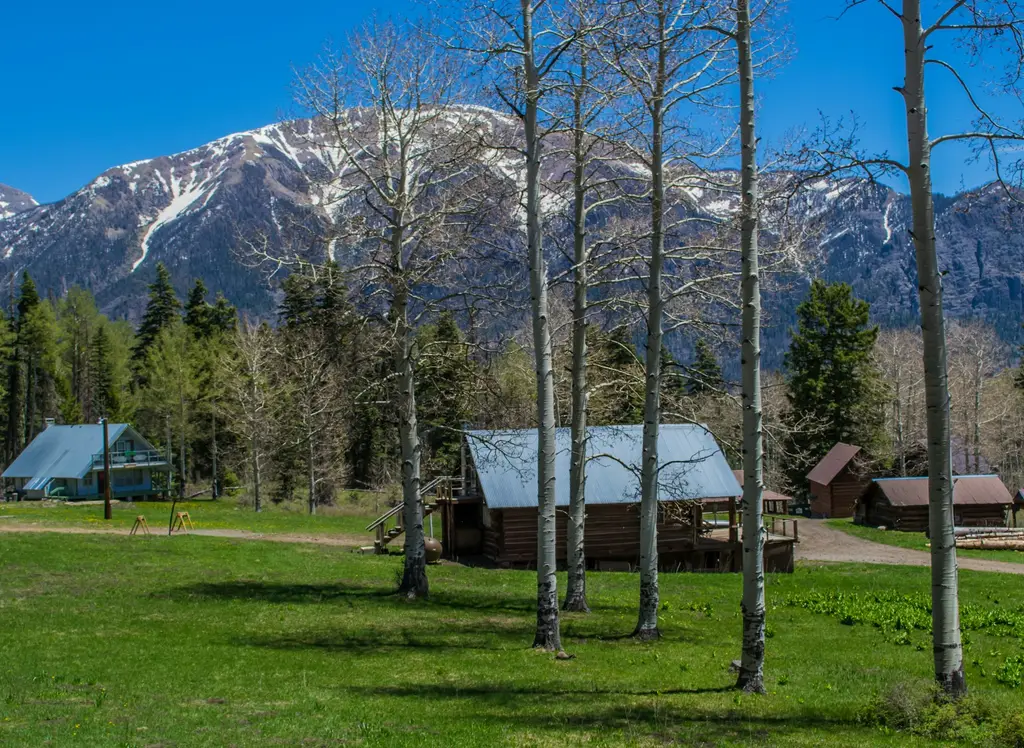
Spring (March-May)
This period typically sees a transition from the wetter winter months, with moderate rainfall and comfortable temperatures. It's an ideal time for planting spring crops and establishing new garden beds as the ground remains moist but not waterlogged.
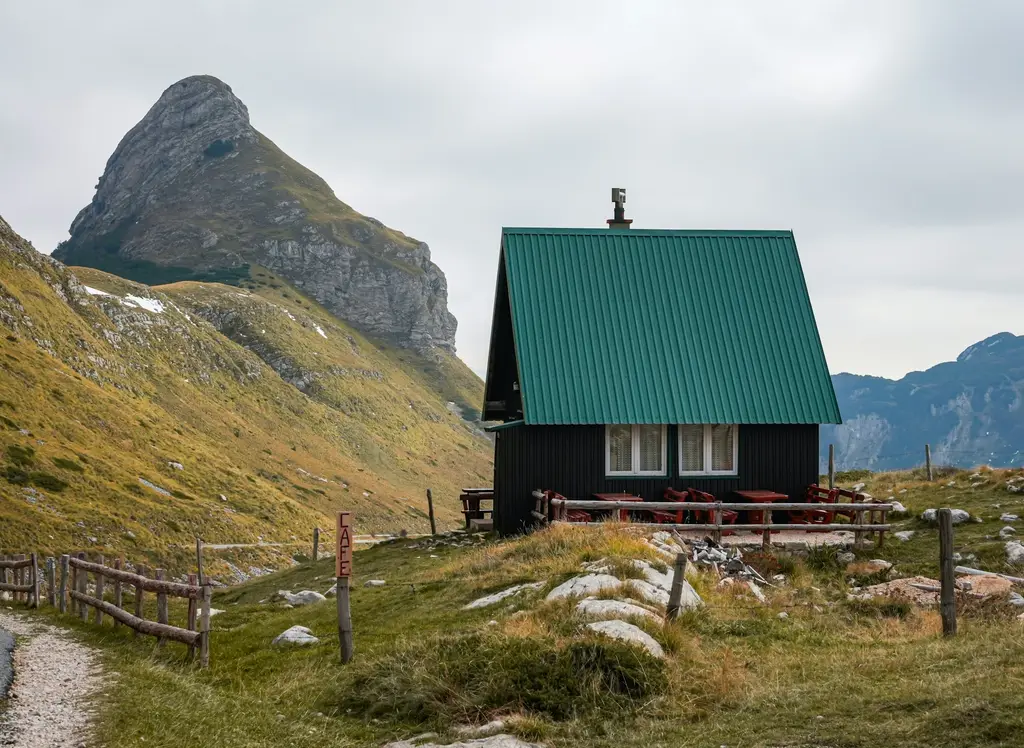
Summer (June-August)
Summers are generally drier and warmer, especially on the leeward sides of the islands. This season is optimal for maximizing solar energy production and managing water reserves, particularly for areas reliant on rainwater catchment systems.
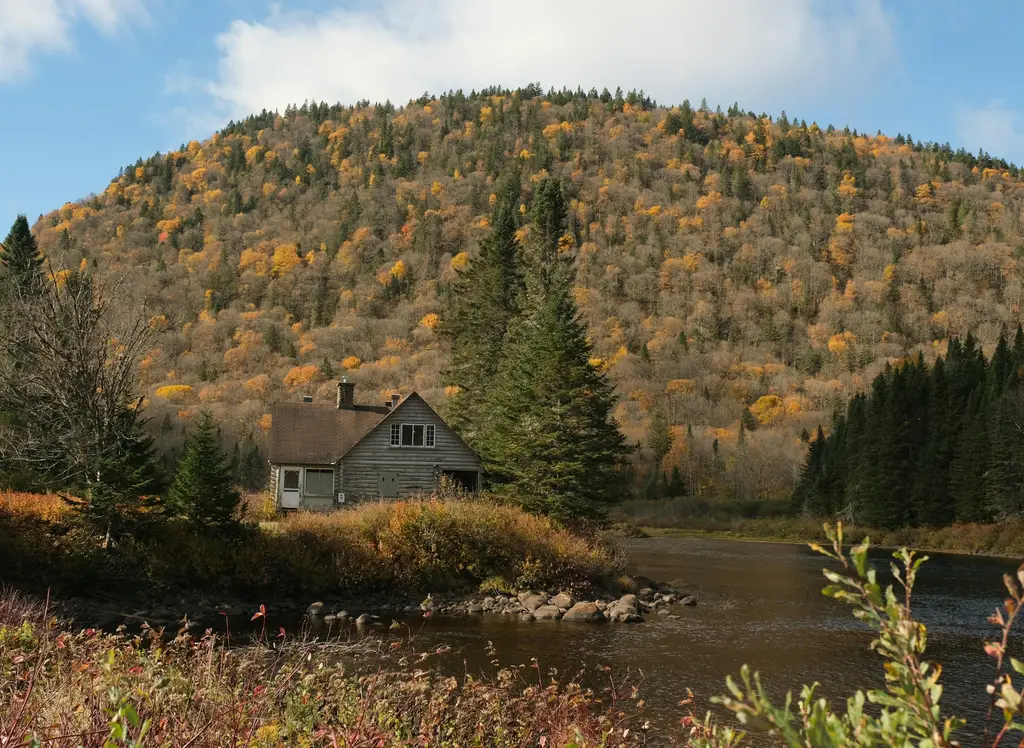
Fall (September-November)
Fall brings increasing rainfall, signaling the approach of the wetter season. Homesteaders focus on preparing for heavier rains, ensuring rainwater catchment systems are clear and ready, and planting crops that thrive in more humid conditions.
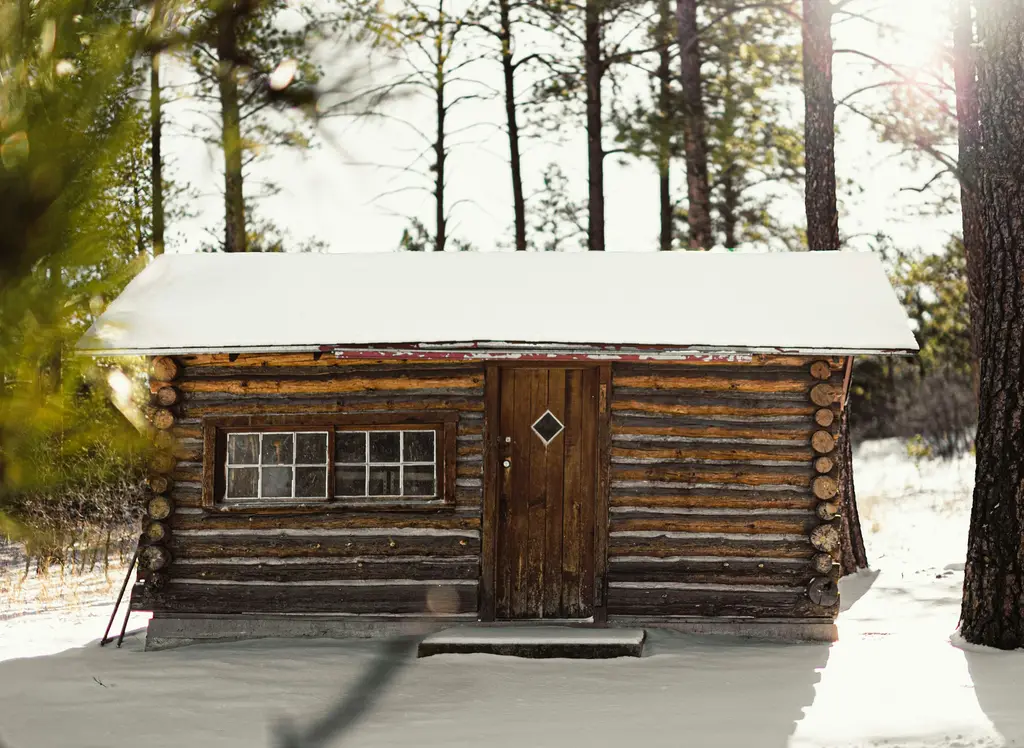
Winter (December-February)
Winters are the wettest and coolest period, particularly on the windward coasts. Managing rain runoff, ensuring structural integrity against potential storms, and cultivating cool-weather crops are primary considerations for off-grid residents.
Free tools
Your free outdoor toolkit

Everything Map
Listings, trails, spots, clubs and public land on a single full-screen map. Switch layers on and off, then tap any point for the details.
Open Everything MapProperty Lines Map
Property lines from your state’s own public parcel records on satellite imagery. Search an address and tap a parcel for its parcel ID, size, and owner where the state publishes it.
Open Property Lines MapLand Report
Check land before you buy it: the FEMA flood zone, how the soil rates for a septic system, elevation, solar, and the parcel owner, from government data.
Open Land ReportCabin Builder
Sketch a cabin in 3D, then export a blueprint and bill of materials. Nothing to install.
Open Cabin BuilderSolar Planner
Size panels, batteries, and an inverter from your appliance loads, with real sun data for your land.
Open Solar PlannerHomestead Planner
Trace your parcel on satellite imagery and place a cabin, well, septic, solar array, and garden.
Open Homestead Planner