Why Easements Are Your First Due-Diligence Item
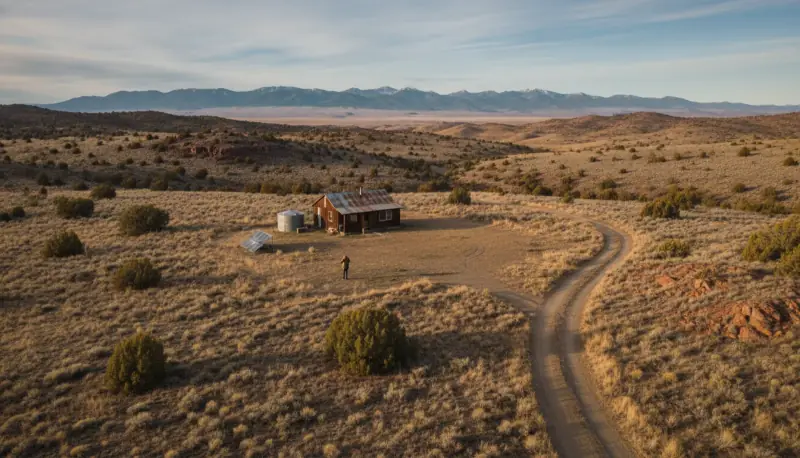
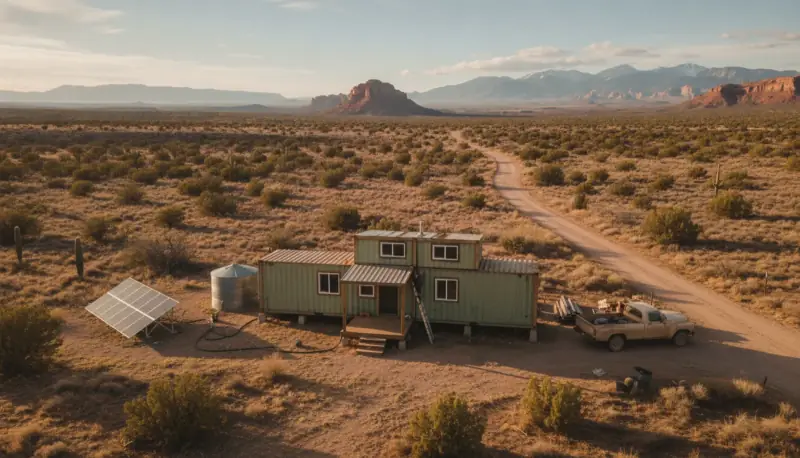
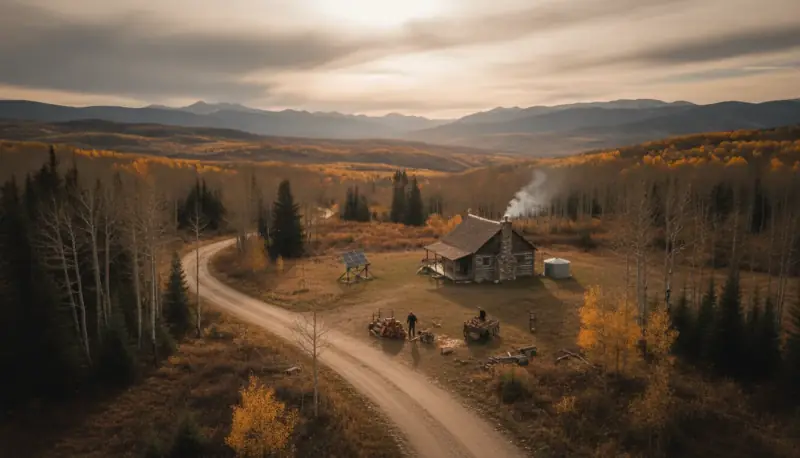
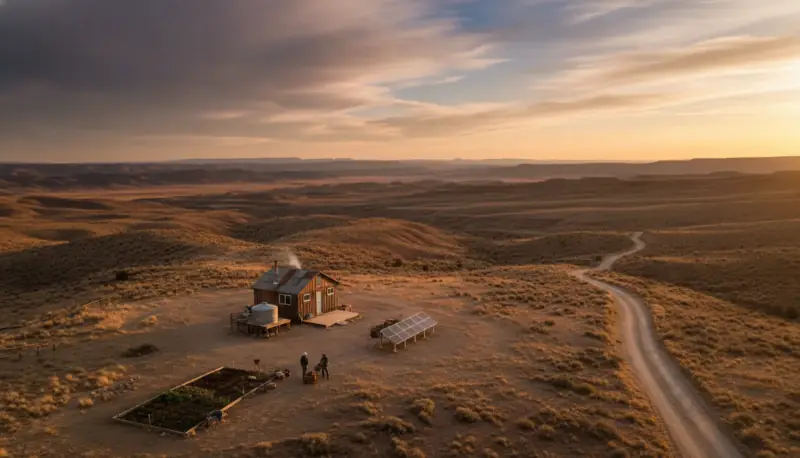
Landlocked property, a parcel with no legal road access, is one of the fastest ways to drain your savings. You own the land, but building on it, insuring it, and reselling it all become very hard, sometimes effectively impossible. The culprit is almost always a missing or misconstrued easement. An easement is a legal right to use someone else's land for a specific purpose, and on rural off-grid parcels, the most critical easement is the one that gives you the right to get to your own property. Before you fall in love with a listing's price or the view, spend an afternoon reading the deed. Easement disputes surface constantly in off-grid communities, sometimes years after purchase, when an encroaching neighbor or a disgruntled land trust decides your road access isn't actually yours. This guide walks you through the jargon, shows you what healthy and red-flag easement language looks like, and tells you which questions to ask before signing.
What Easements Actually Are, and Why They Look Confusing on Paper
An easement is a non-possessory interest in real property. That legal phrase means someone other than you has the right to use a strip of your land (or a strip of someone else's land that you need to cross) for a stated purpose. The owner of the easement doesn't own the land itself; they just have the legal right to pass over it, build utilities on it, or use it in some other defined way. Easements are common and often invisible on small properties, but on rural parcels, they're a survival detail.
The two main easement types that affect off-grid buyers are appurtenant easements and easements in gross. An appurtenant easement benefits a neighboring parcel of land, for example, a right of way that allows the lower parcel to cross the upper parcel to reach the road. This easement "runs with the land," meaning it transfers automatically to the next owner. An easement in gross, by contrast, is a personal right granted to a specific individual or entity (like a utility company). When that person or entity dies or transfers the easement, the right may or may not pass to their heir. Both types are written into your deed, but only an experienced eye knows whether the language protects you or leaves you exposed.
What Can Go Wrong: Common Easement Pitfalls on Off-Grid Land
The most painful easement mistake is buying a landlocked parcel under the assumption that a verbal agreement with the neighboring landowner gives you road access. A handshake promise to let you drive over your neighbor's land is worthless the moment that neighbor sells or passes away, their heir isn't bound by an old conversation, and you're suddenly cut off. So you want your access in writing and recorded: recording is what protects your right against a later good-faith buyer of the neighbor's land who could otherwise claim they had no notice of it. One safety net does exist (courts recognize an "easement by necessity" for a truly landlocked parcel that was carved out of a larger tract, and it can bind successors even without a recorded document), but proving it is slow and expensive, so never buy counting on it. Get a recorded easement.
The second mistake is misreading the language of an existing easement. A deed might say "easement for ingress and egress", which is good, but fail to specify that it includes the right to bring vehicles, equipment, and construction materials across the easement area. When you try to build a well or install solar equipment and your neighbor objects to the truck traffic, you'll discover that your easement technically only allows you to walk across the land, not drive. Another common trap is a temporary or revocable easement, which sounds official but can be terminated by the grantor if the terms change. Read every easement carefully for genuinely dangerous language like "subject to cancellation," "terminable at will," or "revocable", a truly revocable easement can doom your long-term plans. Don't confuse those with "for so long as the dominant estate exists," which is the opposite: that phrase is normal and desirable, meaning the easement is effectively permanent and runs with your land for as long as your parcel exists.
How to Read Your Deed and Spot Red Flags
Your deed is a public record, and you should request a copy before you make an offer. (If you're working with a real estate agent, they often pull this for you.) When you open the deed, skip to any section labeled "Easements," "Rights of Way," or "Encumbrances." These are the passages that describe what legal rights others hold over your land and what rights you hold over others' land.
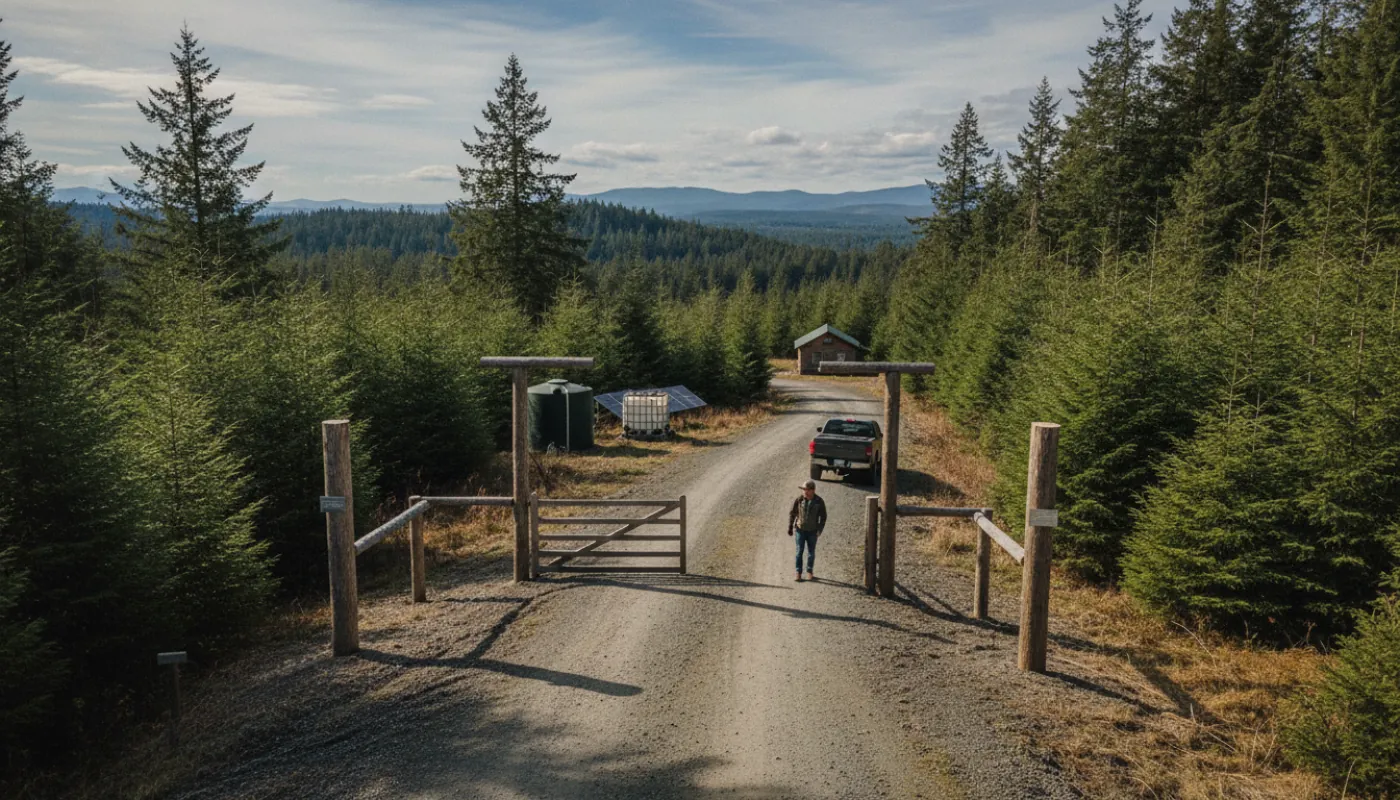
Look for five key elements in any easement that gives you access to your property. First, check that the easement actually describes your parcel, it should name your property in a way that unambiguously identifies it. Second, verify that the easement right is "appurtenant" to your property and "runs with the land," so it transfers when you sell. Third, confirm the purpose is broad enough for your plans: if you intend to build solar equipment and drilling rigs, the easement should say "for any lawful purpose" or at least "for utilities, construction, and residential use," not just "for personal use" or "for pedestrian traffic." Fourth, check the easement width and description of the route. A ten-foot-wide easement might be too narrow for a fire truck or an RV. Fifth, look for an end date or termination clause. If the easement expires in five years, you have a ticking clock.
Red flags include easements that are revocable, conditional on neighbor approval, or lacking a recorded legal description. Also watch for easements held by the county that might allow them to widen the road or install utilities without your consent. If the easement is oral or not recorded, walk away. Some deeds show that the easement was granted by an entity that no longer exists (a subdivider long defunct or a road trust that dissolved), which can create ambiguity about whether the easement is still valid.
Due Diligence: The Steps to Take Before You Buy
Before making an offer, hire a surveyor to conduct a boundary and easement survey. This costs between one and three thousand dollars and is non-negotiable for off-grid land. The surveyor will flag every recorded easement, show you exactly where it runs, and identify any discrepancies between what the deed says and what's on the ground. A survey often uncovers facts the seller may not have mentioned: a buried utility line, a neighboring right of way, or a poorly marked road access that could become impassable in winter.
Next, order a preliminary title report (often called a title commitment) from a title company. This document lists every recorded interest in the property, including easements, liens, and deed restrictions. Your title company should specifically flag any easements affecting your access and flag any that lack recorded legal descriptions. If easements are ambiguous or missing, ask your real estate attorney to negotiate with the seller for a new, recorded easement agreement before closing. Don't assume you can fix it later. Once you own a landlocked parcel, fighting to establish access rights is expensive, emotionally draining, and often impossible. Finally, talk to the county assessor and the county road department. Find out whether the road serving the property is public (maintained by the county) or private (maintained by the owners using it). If it's private, determine who maintains it and what the cost-sharing agreement looks like. Get the details before you commit, because a deteriorating road with no maintenance fund will quickly become unusable.